Cayo and the West
Belize's jungle interior around San Ignacio: Mayan sites including Caracol and Xunantunich, river caves like ATM Cave, and the highland pine forests of Mountain Pine Ridge.
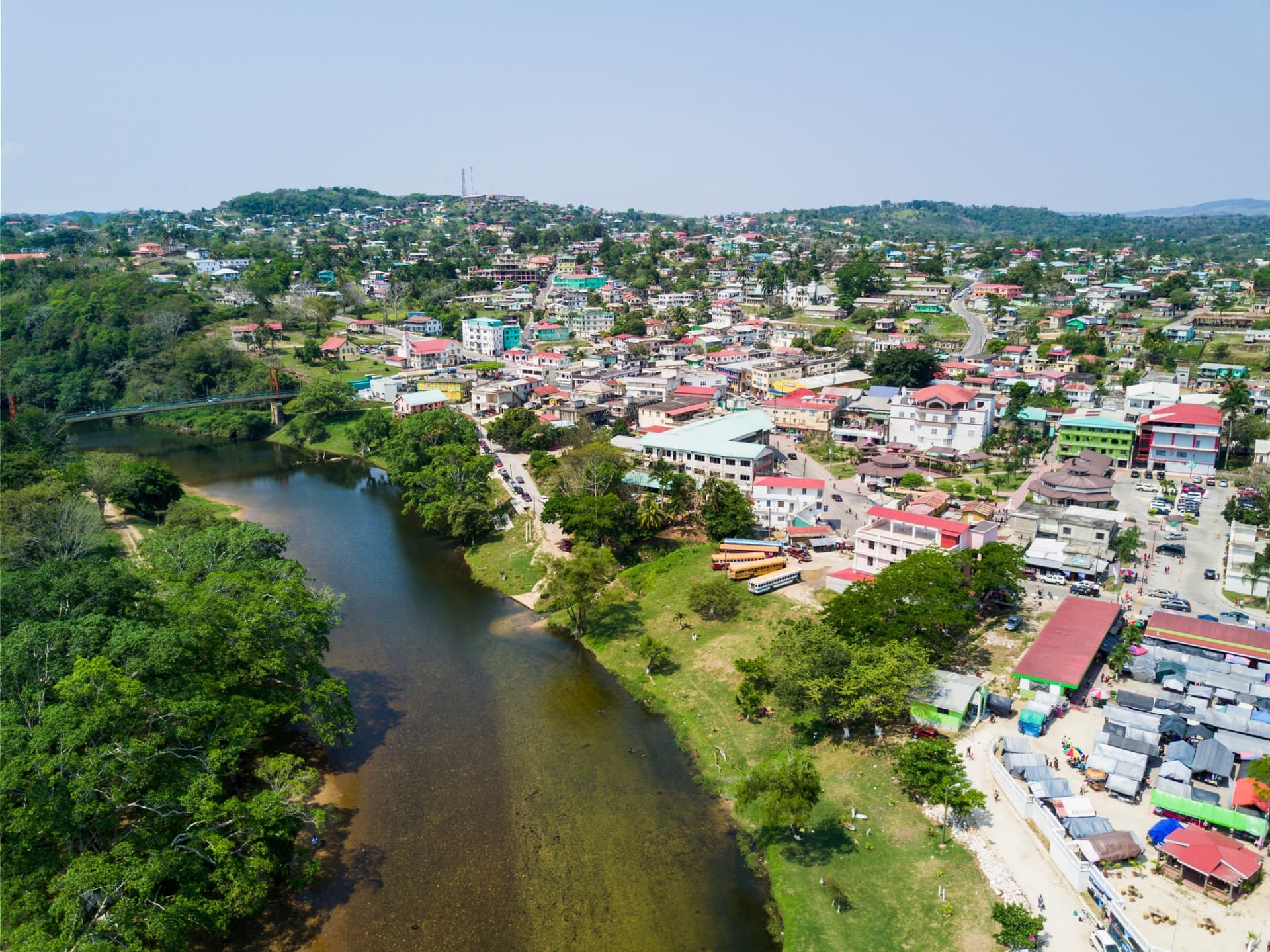
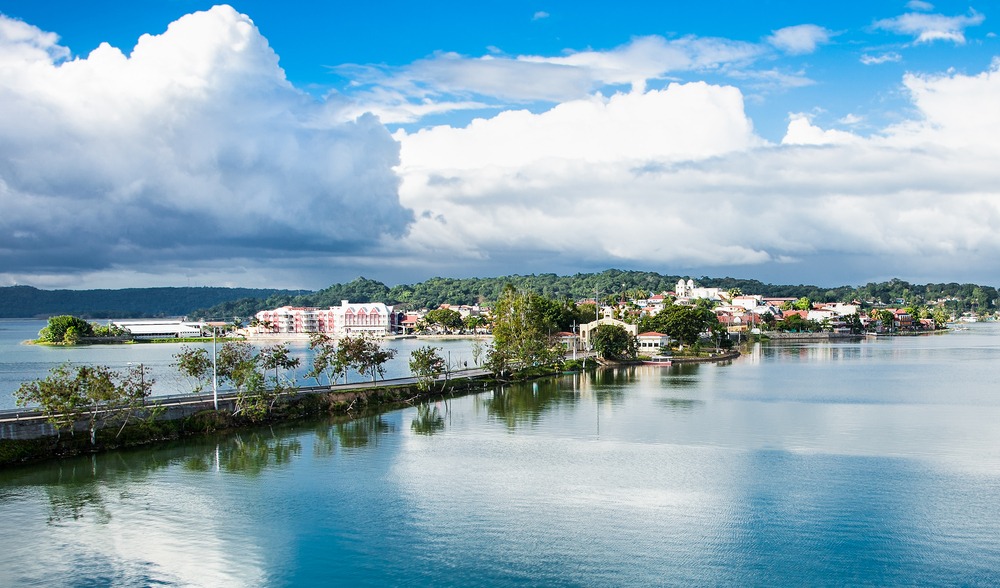
Cayo occupies the western reaches of the country, stretching between the coastal plains and the Guatemalan border. San Ignacio remains the region's beating heart, positioned at the confluence of the Macal and Mopan rivers, connected to its twin town Santa Elena by the Hawksworth Bridge, a suspended structure dating back to 1949. This is where we base most inland stays: Saturday markets where Mennonite farmers from Spanish Lookout sell their produce, restaurants serving authentic rice and beans with stewed chicken, and direct access to the valley's lodges.
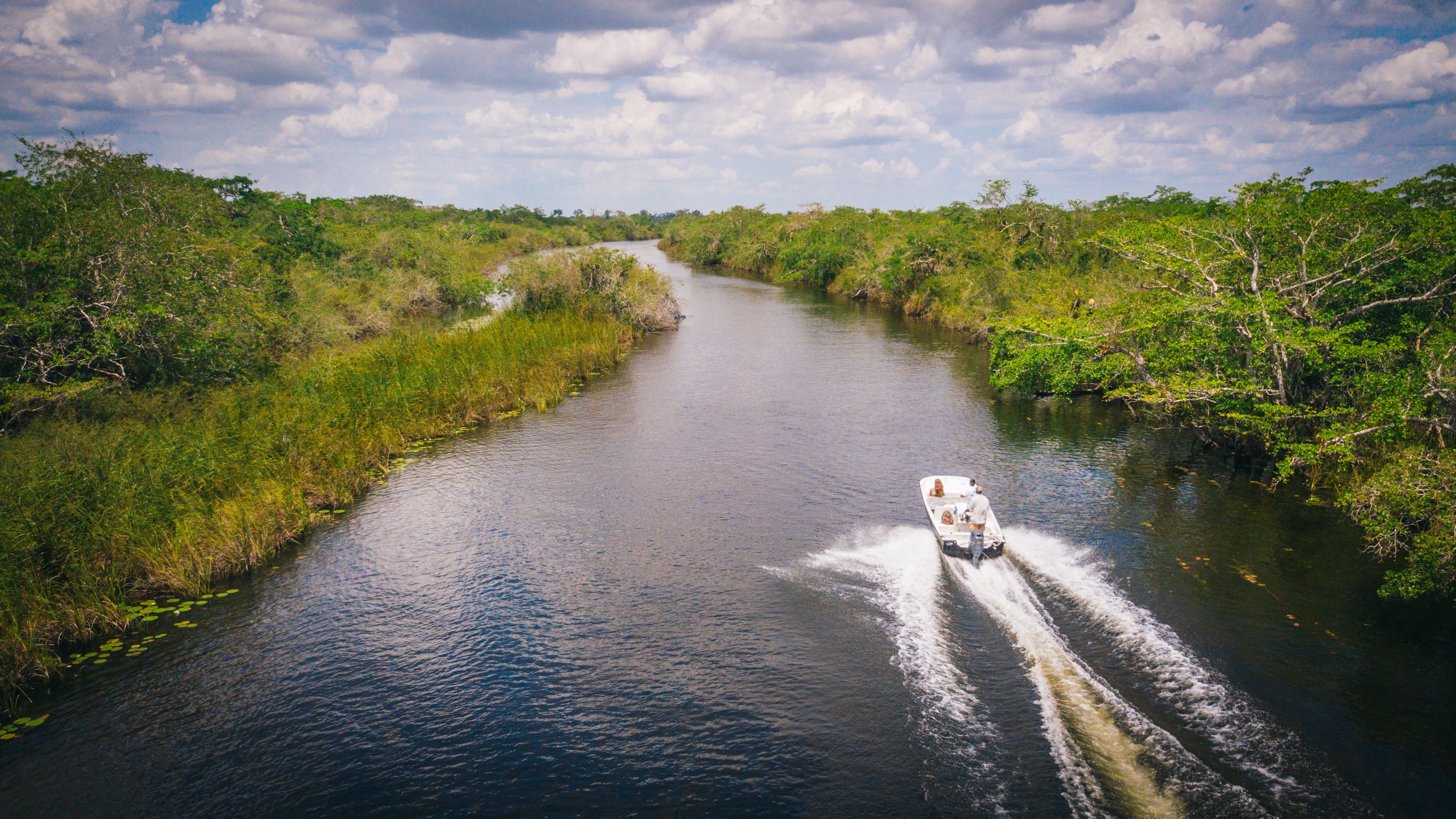
The geography unfolds in three layers. Below, the banks of the Mopan and Macal rivers, refreshingly cool at dawn, lined with agro-tourism lodges in Bullet Tree Falls and Cristo Rey. Higher up sits the Mountain Pine Ridge plateau, an ecological anomaly: Pinus caribaea pine forests on granite soil, perched at 500-700 meters elevation, dotted with waterfalls like Rio On Pools and Big Rock Falls. Finally, descending toward the south, the dense tropical forest of the Chiquibul reasserts itself, stretching all the way to Caracol near the Guatemalan border.
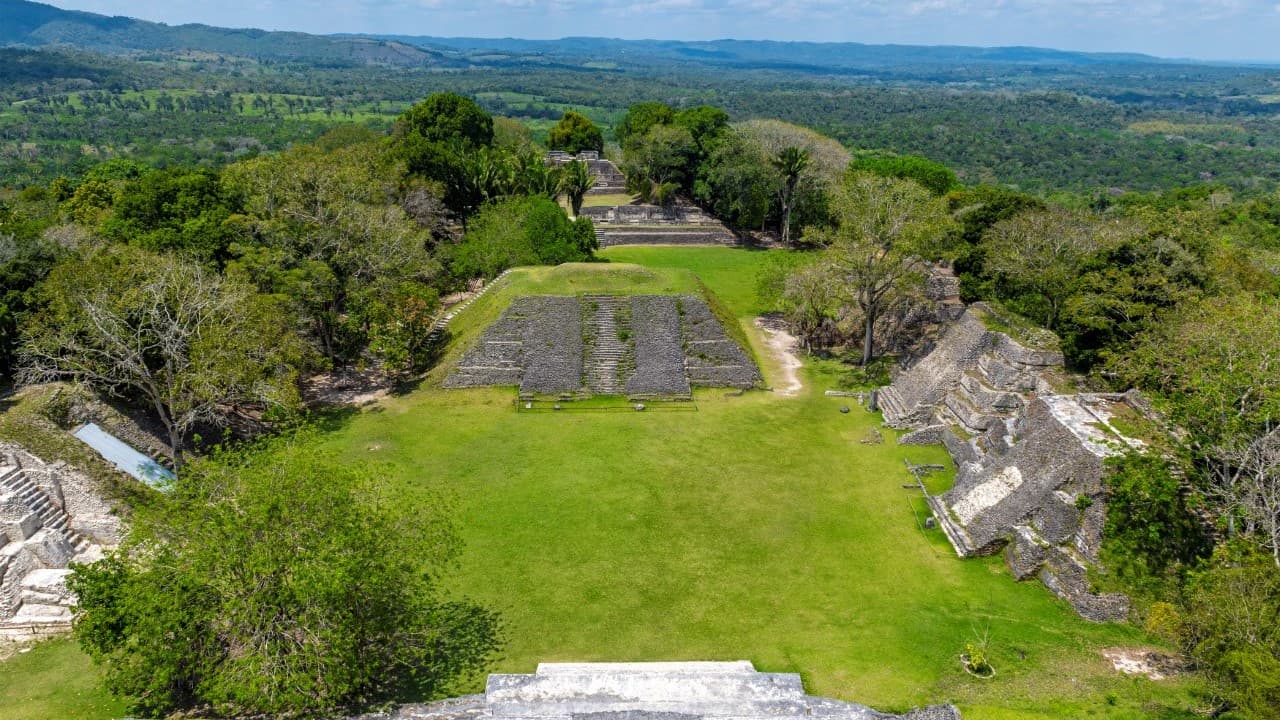
The sheer density of Mayan sites alone justifies a stay here. Xunantunich, 13 kilometers west of San Ignacio, is reached by a small hand-cable ferry that crosses the Mopan in two minutes; from the summit of El Castillo (40 meters), you can see into Guatemala. Cahal Pech, walkable from San Ignacio, is more modest but more intimate—an elite residential city. Caracol, 80 kilometers of rough track from San Ignacio, demands a full day's round-trip journey: its Caana pyramid rises to 43 meters and remains, to this day, the tallest structure ever built in Belize. El Pilar, less frequented, straddles the Guatemalan border and can still be visited with on-site archaeologists during certain periods.
On the caves front, Cayo concentrates Central America's most extensively studied karst network. Actun Tunichil Muknal, known as ATM Cave, involves swimming and wading through water for nearly three hours round-trip to reach a chamber holding the calcified skeleton known as the Crystal Maiden. No cameras have been permitted since 2012 following an incident when a device fell on a skull. Barton Creek Cave can be explored by canoe, making it more family-friendly. Rio Frio, at the heart of Mountain Pine Ridge, is a dry karst arch roughly thirty meters high where entry is simply on foot.
The population mirrors the country's diversity: Spanish-speaking Mestizos forming the majority, Maya Yucatec and Mopan communities in villages like San Antonio (renowned for its pottery), English-speaking Creoles in San Ignacio, and the Mennonites of Spanish Lookout, who arrived from Mexico in 1958 and now supply much of the country's agricultural and dairy production. This mosaic reveals itself in the cuisine: Maya tamales on Sundays, chicken escabeche, fresh Mennonite cheese sold at market.
The climate remains drier and milder than on the coast. December through February nights can dip to 16-18°C in Mountain Pine Ridge lodges, which surprises travelers arriving directly from the cayes where it's still 28°C. This climatic contrast, as much as the jungle and ruins, makes Cayo complementary to the country's other regions.
Must-See Experiences
ATM Cave by swimming. Three hours through an underground river, helmet on your head and headlamp guiding the way, to reach a Mayan ceremonial chamber with intact pottery and calcified human remains. Access only with certified guides, group sizes limited.
Caracol and the Caana pyramid. The country's largest Mayan site, 80 kilometers of rough track from San Ignacio. The Caana, at 43 meters, still dominates the canopy of the Chiquibul reserve. Plan a full day with a 7 a.m. departure.
Mountain Pine Ridge by 4x4. A granite plateau at 700 meters blanketed in pine forests, punctuated by waterfalls like Big Rock Falls and Rio On Pools where you can swim in rock-carved pools. The air is dry and crisp in the mornings.
Saturday market in San Ignacio. Mennonite producers from Spanish Lookout, Maya vendors selling tamales wrapped in banana leaves, fresh cheese and local cacao. We also curate culinary stops here.
Xunantunich via the Mopan ferry. Cross the river on a small hand-cable ferry to reach the site and climb El Castillo, from where you can glimpse the Guatemalan border on clear days.
When to Go
The best season for Cayo runs from late January through May. The tracks to Caracol are passable, humidity drops below 70%, and daytime temperatures hover between 26 and 30°C. Nights at Mountain Pine Ridge lodges can fall to 16°C in January—bring a fleece layer. From June through October, the rainy season brings tropical downpours in late afternoon, often brief but intense, which can render the Caracol track impassable for 24 to 48 hours after heavy storms. September and October concentrate cyclone risk for the country, though Cayo, inland, is less exposed than the coast.
The March-April window is our favorite: vegetation still lush from November-December rains, rivers low enough to safely enter ATM Cave (access closes when water levels rise), and manageable temperatures. Avoid Holy Week, when archaeological sites fill with Guatemalan and Mexican visitors.
Practical Tips
We recommend a minimum of four nights in Cayo to truly engage with the region: a half-day at Xunantunich and Cahal Pech, a full day at ATM Cave, a complete day at Caracol paired with Rio On and Rio Frio in Mountain Pine Ridge, and a relaxed morning canoeing the Macal or visiting Chaa Creek's medicinal garden. With five to six nights, you can add El Pilar, a full day horseback riding from a lodge, or a leisurely day trip across the border to Tikal in Guatemala (three hours from San Ignacio, arrangements handled by our English-speaking team).
Entry is through Belize City International Airport, followed by 2.5 hours on paved Western Highway. Cayo combines naturally with the Cayes and coral barrier reef for the classic jungle-plus-sea itinerary over 10-12 days, or with the North and Lamanai if you want to extend the Mayan theme. For more adventurous travelers, combining Cayo with the South and Toledo offers strong contrast between dry forest and the Mayan rainforests of the south. Lodges range from comfortable family-friendly (Black Rock, duPlooy's) to luxury (Ka'ana, Chaa Creek). The region suits families with children from age 8 onward, archaeology-minded contemplatives, and casual hikers. Long-distance trekkers will find more challenge in the south.