Belmopan
Belmopan
Belmopan, Belize's small capital born from a hurricane, serves as an ideal base for exploring the Mayan ruins of Cayo District and the natural wonders that surround it.
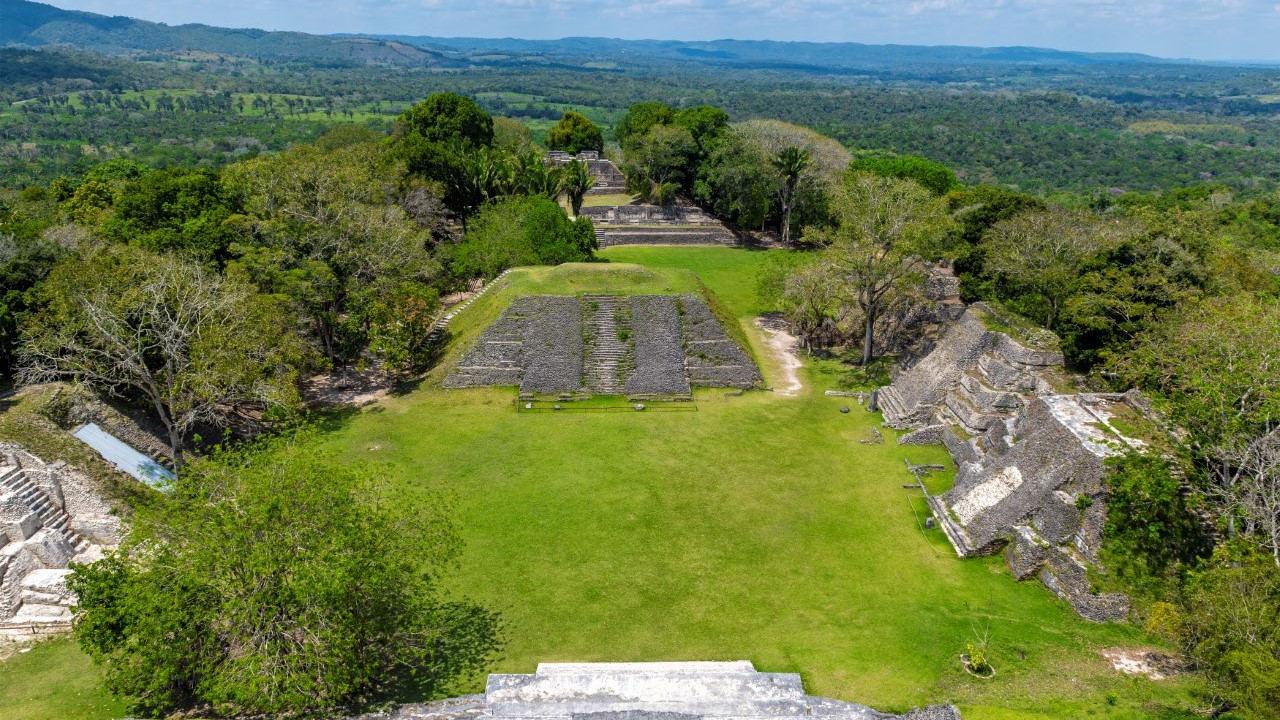
Belmopan is the new capital of independent Belize. Despite the hopes invested in its creation, the city struggles to develop and stands as one of the smallest capitals. Belmopan is not a tourist destination in itself—rather, it functions as an important transit point for venturing into the Mayan ruins of Canal Pech.
Geographic Location
Belmopan is part of the Cayo District at an altitude of 76 meters above sea level. Located just off the Hummingbird Highway, the city borders the Belize River valley to the east, dominated by the foothills of the Pine Ridge mountain massif. It sits 80 km from Belize City port.
History
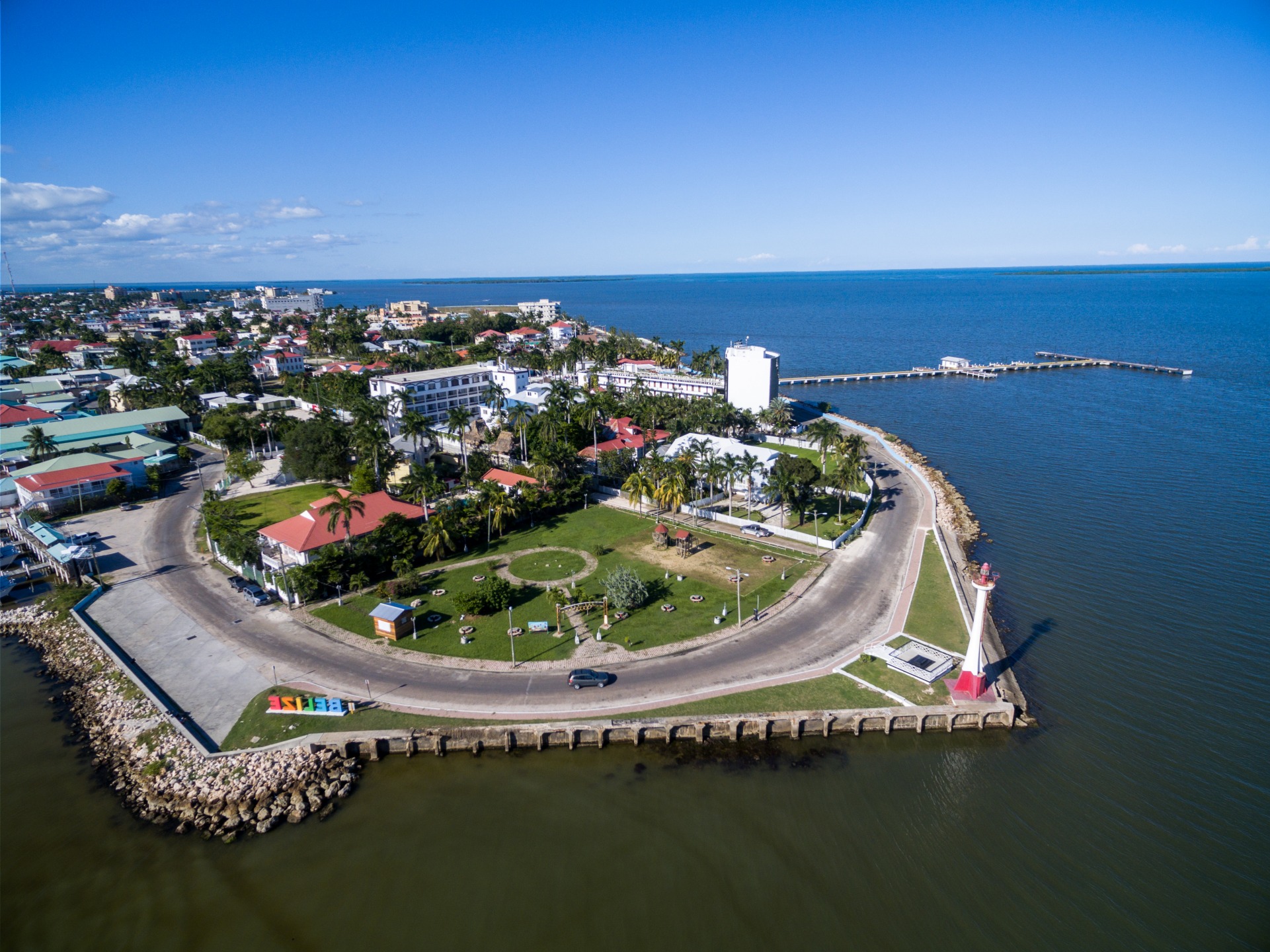
In October 1961, Hurricane Hattie devastated much of Belize City, then the country's capital. Following this catastrophe, George Price, the "father of Independence," launched a political initiative to create a new capital inland. Thus, Belmopan, situated in the center of the country, was designated as the new capital. The government hoped the city would offer a modern rebirth to the nation on its path toward economic development. Belmopan was meant to be the symbol of future national unity, bridging ethnicities and erasing territorial divisions. Things turned out differently, however—political debates became increasingly divided, leading to a re-ethnicization.
Since its creation, Belmopan has struggled to develop and attract an active workforce that continues to prefer Belize City, located on the Caribbean coast.
Today
Belmopan has now established itself as a major axis for the country and is gradually improving its economic situation. You won't find old colonial buildings or historic monuments here—the city mainly hosts administrative buildings and large shopping centers.
Within Belmopan, a population of 20,000 inhabitants has been recorded since 2009, composed of Creoles, Garifuna, mixed-race residents, Maya, and Chinese immigrants. They are distributed across five zones around Belmopan: Salvapan, San Martin, Las Flores, Maya Mopan, and Riviera.
Guanacaste National Park
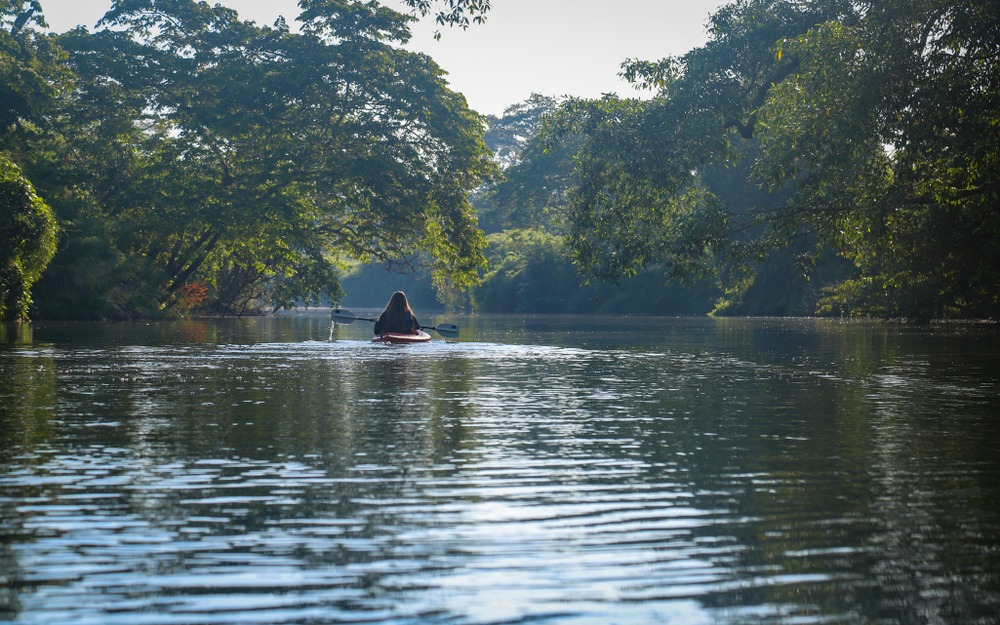
Beyond its education center, gift shop, and 3 km of marked trails, the natural park boasts remarkable biodiversity. In terms of fauna, it is home to species such as white-tailed deer, jaguarundi, kinkajou, and nine-banded armadillo. Guanacaste Park is also renowned for offering excellent birdwatching opportunities for exotic species. Among these are the blue-diademed motmot, smoking brown woodpecker, magnolia warbler, belted kingfisher, and red-lored Amazon.
On the flora side, you cannot miss the guanacaste tree, the park's emblematic species. You will also find among the most well-known the rain tree, Brazilian pine, mamey sapote, and Honduras mahogany.
Monuments
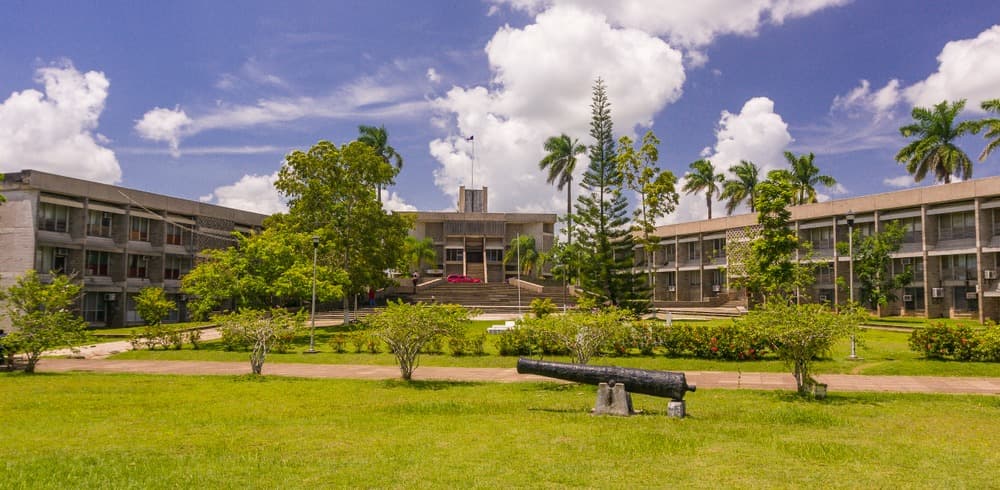
Belmopan does not boast extraordinary architectural heritage since the city is still quite recent. A few monuments such as the National Assembly or Independence Square can be pleasant to discover.
Practical Information
Climate
Belmopan's climate is characterized throughout the year by a long rainy season observed from May to January, preceded by a dry period during the remaining two months. Generally, daytime temperatures fluctuate between 23°C and 28°C, while nights remain mostly quite cool.
You can reach Belmopan as part of a Belize circuit. You will benefit from a private vehicle to get you there.
Many solutions will allow you to get around within Belmopan. Taxis are very easy to find at the bus station or in the vicinity of the market square. Given the city's small size, there is nothing quite like a good walk to explore all its corners.
Want to discover this destination?
Our local advisors design your tailor-made trip.