Complete Belize Guide
Sandwiched between Mexico, Guatemala, and the Caribbean Sea, Belize covers an area the size of Brittany but concentrates environments of rare diversity. From our agency in the capital, we organize trips that almost always combine two very different atmospheres: the interior, covered in jungle, and the coast, bordered by the world's second-largest coral reef, listed as a UNESCO World Heritage Site.
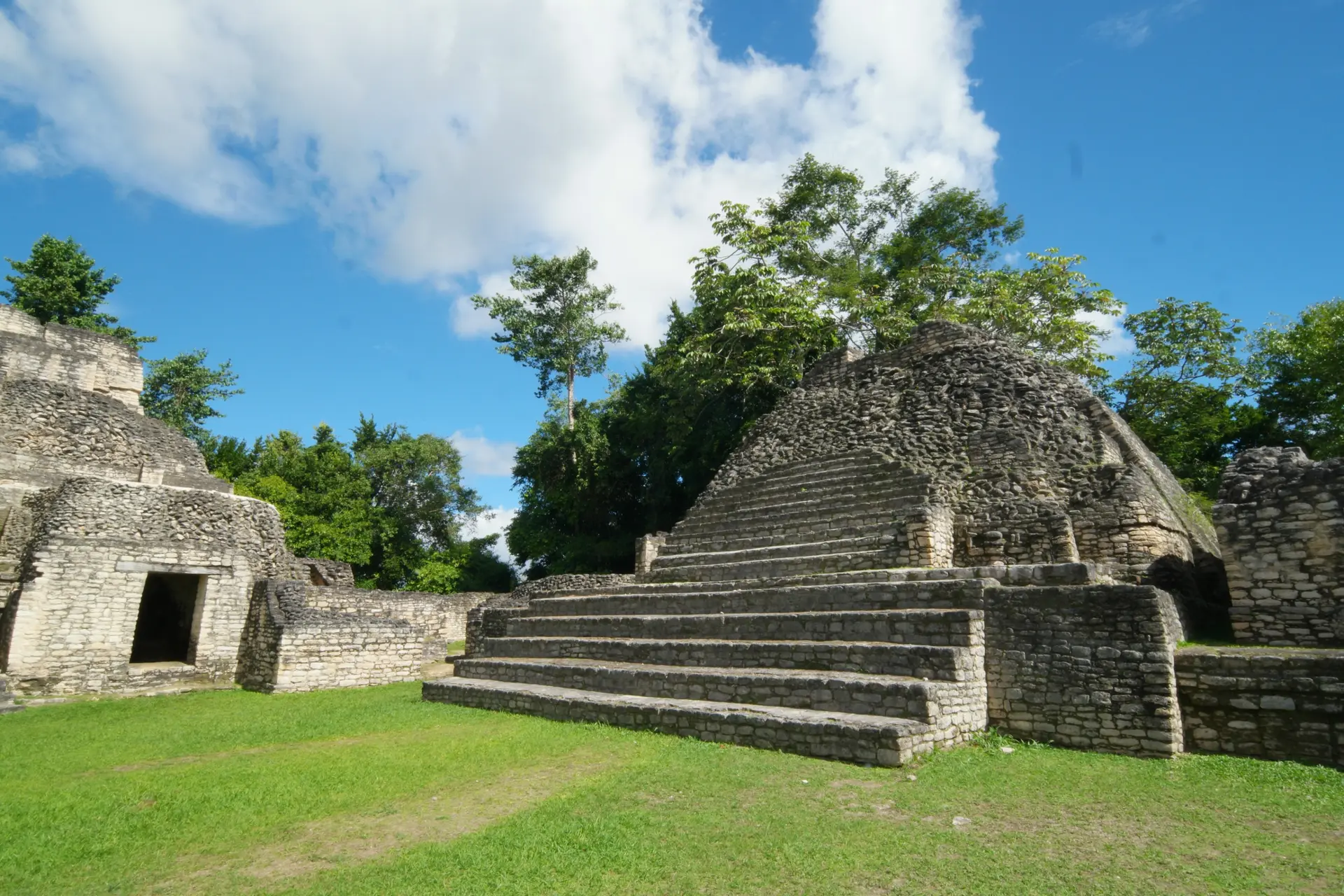
To the west, Cayo district is home to the Mayan ruins of Caracol and Xunantunich, underground rivers like ATM Cave, and dense forest where you can hear howler monkeys at dawn. To the north, around Orange Walk and Lamanai, are wetlands and Mayan sites accessible by boat on the New River. To the south, the Toledo region remains the most rural, populated by Kekchi and Mopan Maya communities, with family-run cacao plantations. And offshore, the cayes (Caye Caulker, Ambergris Caye, Tobacco Caye) and three atolls including Lighthouse Reef and its Blue Hole serve as bases for diving and snorkeling.
Belize is English-speaking, a legacy of British colonization, which makes it an exception in Central America. For a first trip, plan for 10 to 14 days to combine jungle and reef without rushing.
The regions of Belize
Each region has its own personality: climate, landscapes, pace of life and ways of traveling. Our local team helps you choose the combination that suits you.
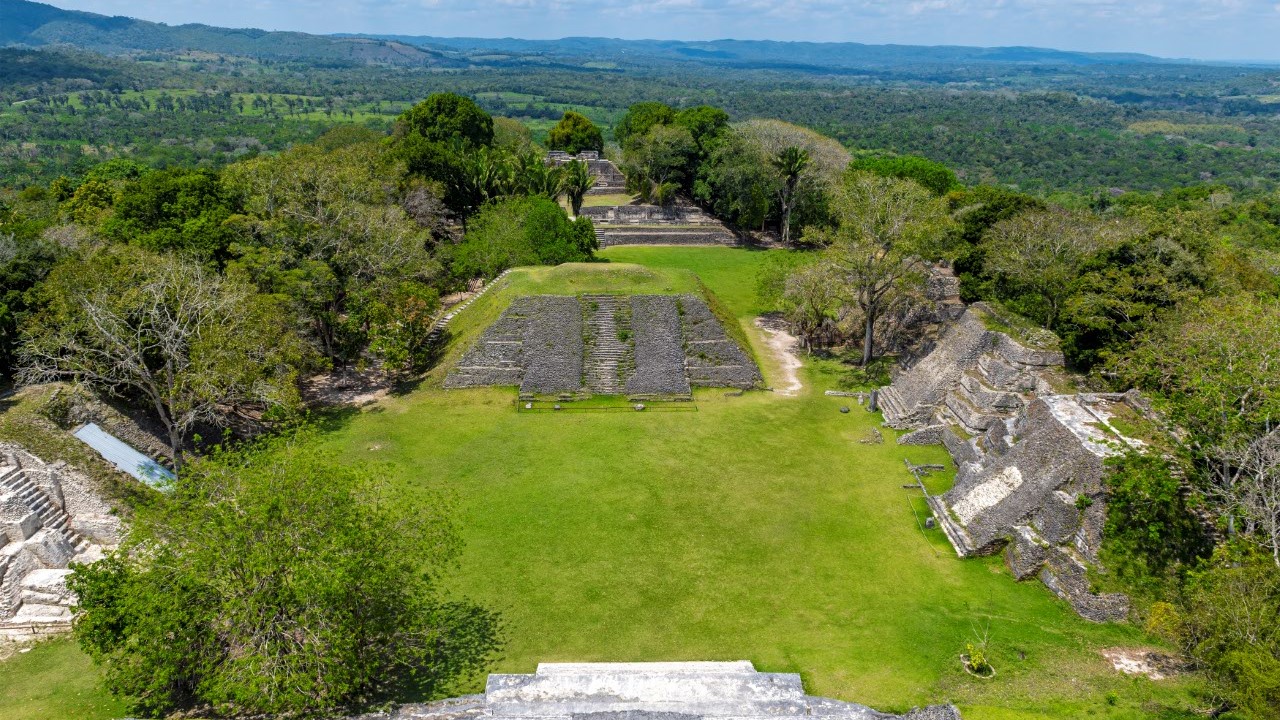
Cayo and the West
Cayo is the region we recommend first to those who want to see the jungle and the Mayas. Around San Ignacio, you stay in hillside lodges, visit Xunantunich by a small cable ferry across the Mopan, and venture into Mountain Pine Ridge reserve for Rio On waterfalls and Rio Frio cave. Further on, Caracol, the country's largest Maya site, requires a full day on rough tracks. The altitude remains modest (700 m max) but the air is drier and fresher than on the coast, especially in January. The underground river at ATM Cave, traveled by swimming, remains an experience that leaves a mark.
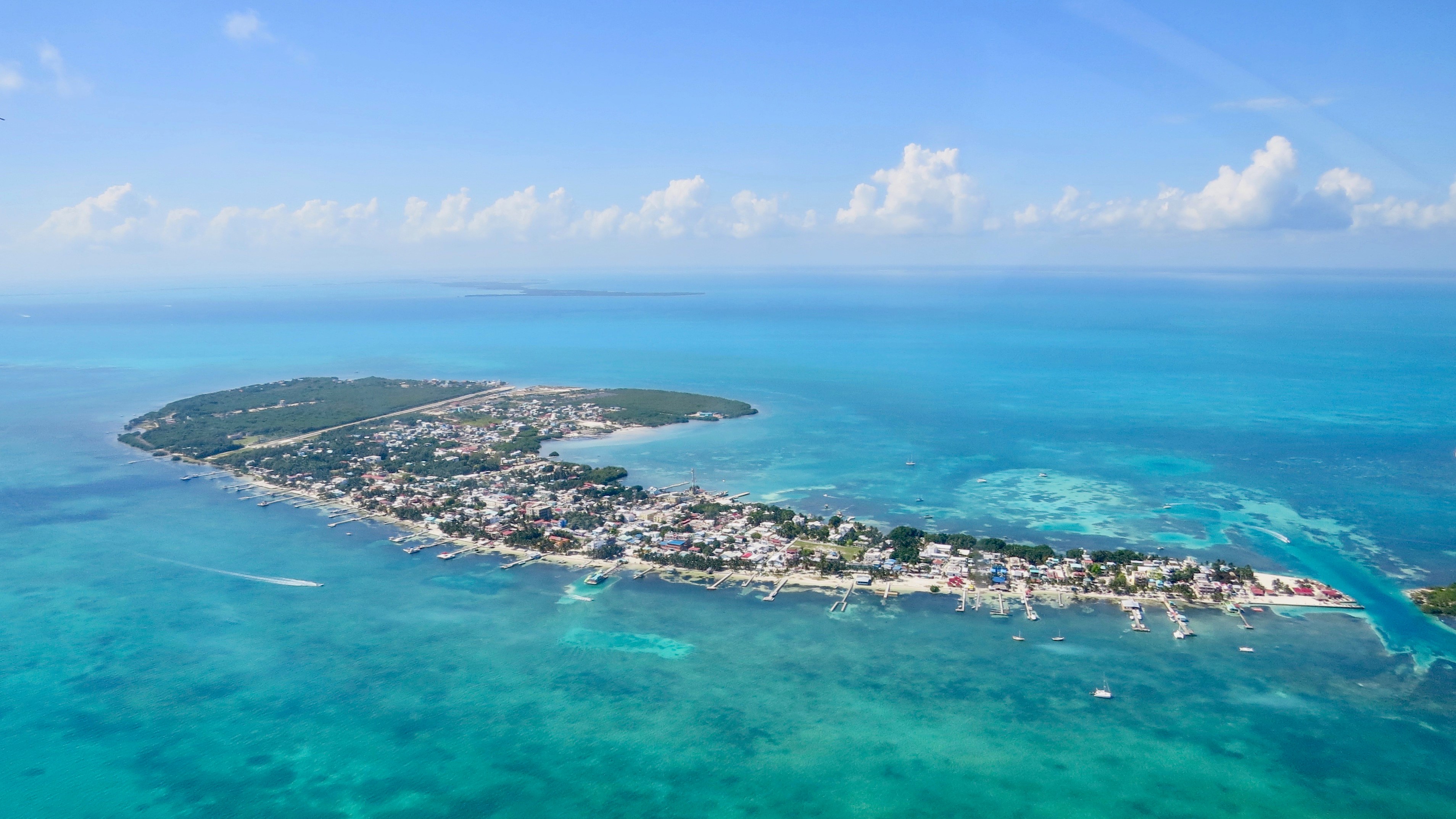
Cayes and Coral Reef
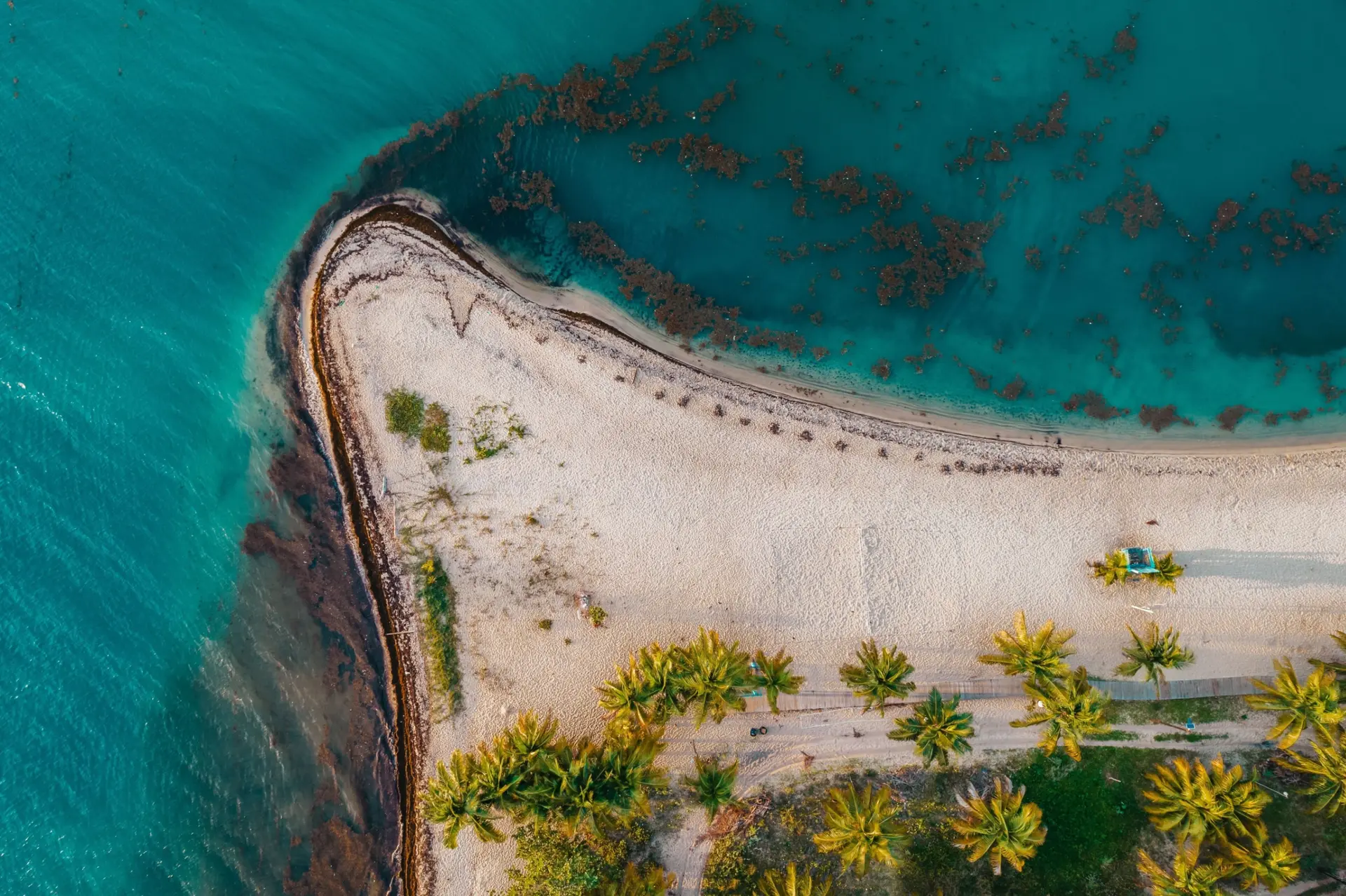
The cayes are small sandy and mangrove islands perched on the barrier reef. Caye Caulker, car-free, moves to the rhythm of the Split and snorkeling boats at Hol Chan. Ambergris Caye, more lively around San Pedro, serves as a base for diving at Mexico Rocks and Shark Ray Alley. Further south, Tobacco Caye and South Water Caye offer a more rustic atmosphere, ideal for those who want to sleep with their feet in the sand. Water at 27-29°C year-round, pleasant trade winds from December to March. We recommend 4 to 6 nights on the cayes to enjoy the experience at a relaxed pace.
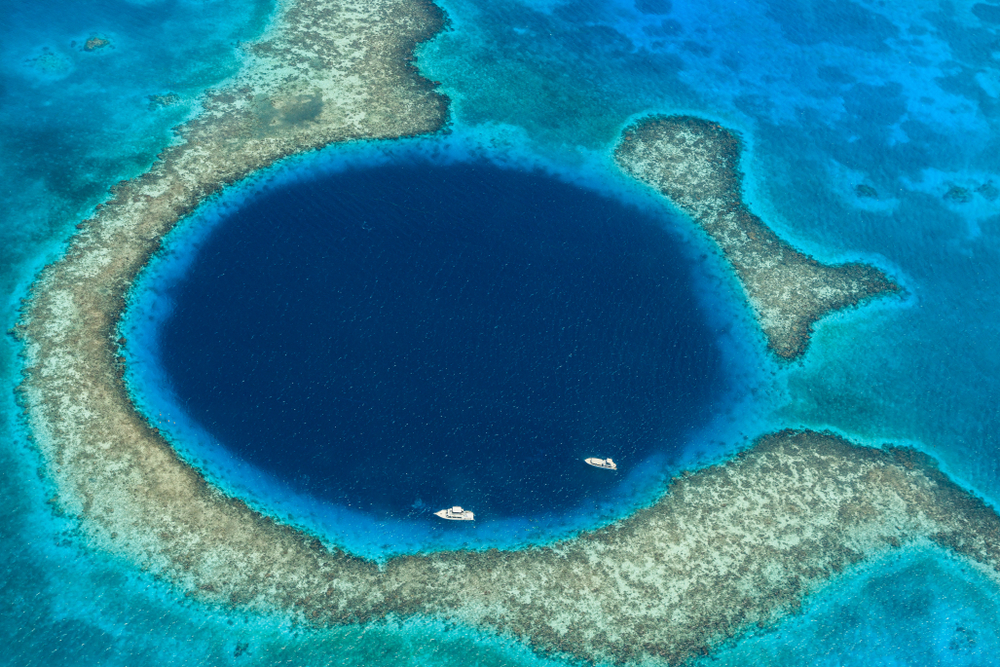
Atolls and Blue Hole
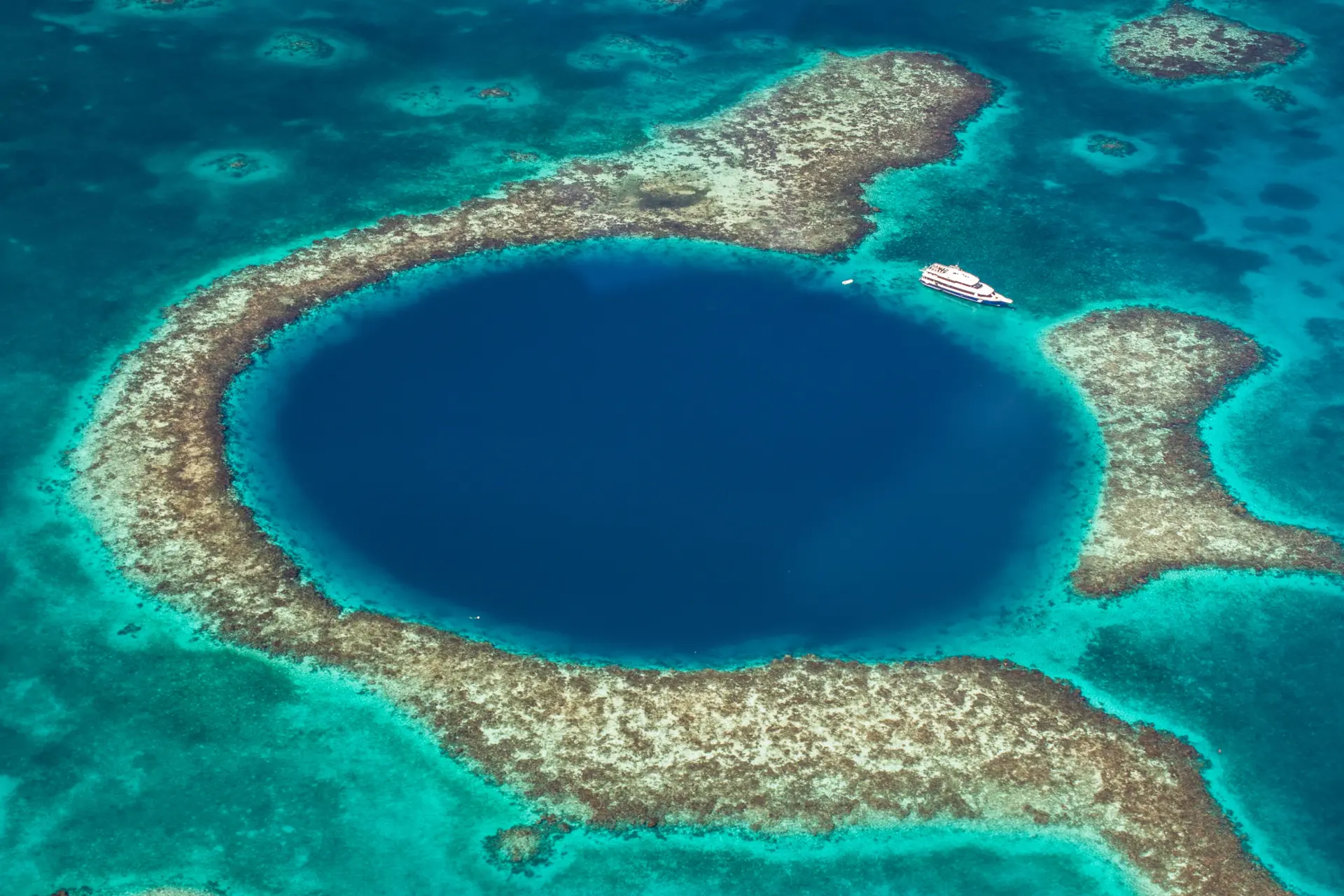
Off the barrier reef, three coral atolls (Turneffe, Lighthouse Reef, Glover's Reef) harbor the country's best diving sites. The Great Blue Hole, a circular sinkhole 300 m in diameter and 124 m deep, can be dived on day trips from Ambergris or Caye Caulker, or on multi-day cruises. Half Moon Caye, on Lighthouse Reef, is home to a colony of red-footed boobies accessible on foot from the mooring. These outings require a minimum level 2 diving certification for the Blue Hole, but snorkelers will also find plenty to enjoy on the nearby reefs, which are shallow and teeming with fish.
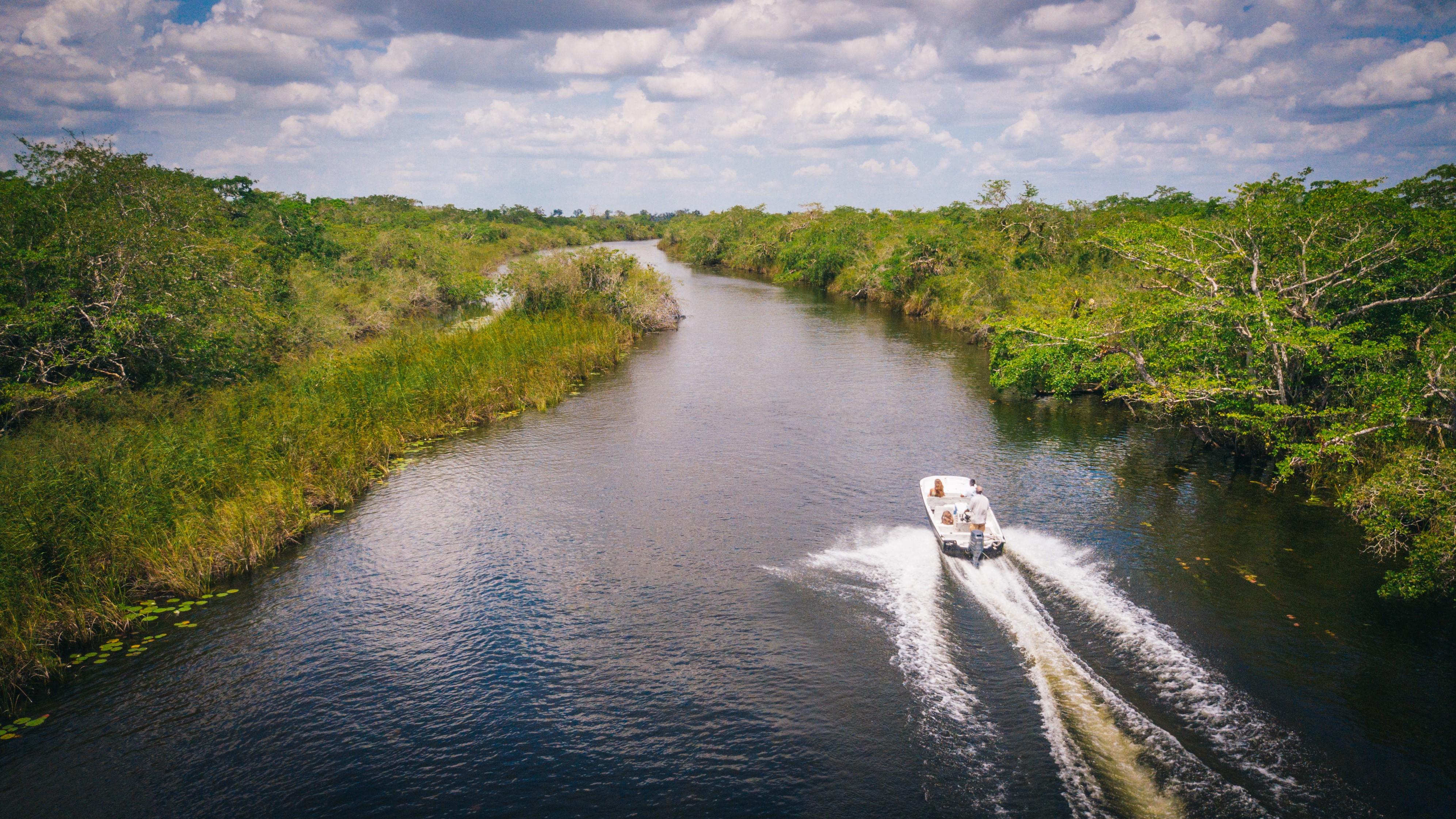
North and Lamanai
Around Orange Walk and Corozal, the north is flatter, dedicated to sugarcane and wetlands. The Lamanai Maya site is reached by boat via a one-and-a-half-hour journey up the New River, amid Morelet's crocodiles and waterfowl. It is one of the rare sites continuously occupied for over 2,000 years. Crooked Tree Wildlife Sanctuary, a Ramsar-listed lagoon, attracts jaguars and dozens of wading bird species between January and May, during the dry season, when water levels drop and concentrate the birds.
South and Toledo
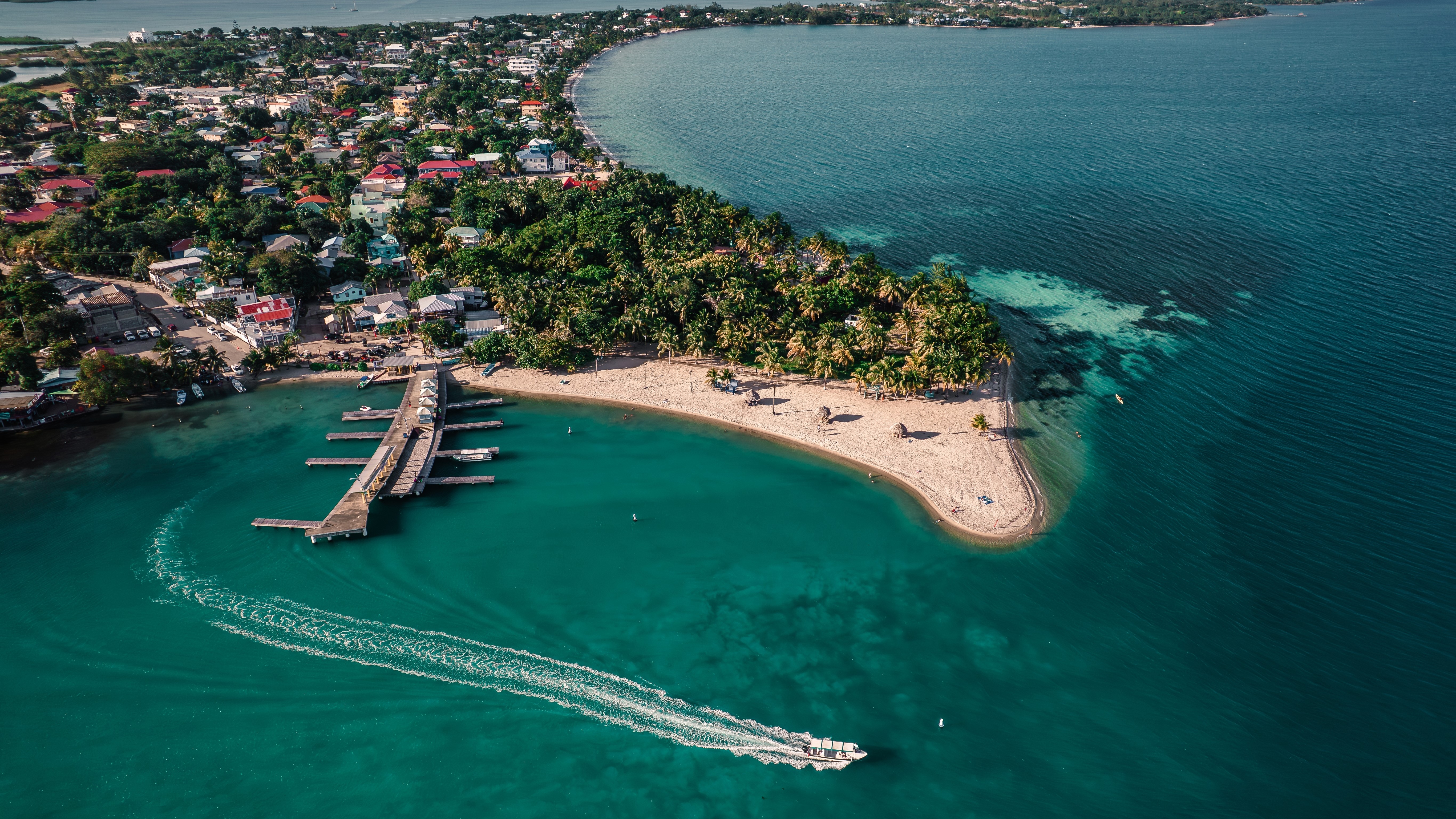
The south, around Placencia and Punta Gorda, is the quietest part of the country. Placencia is a long sandy peninsula where you settle in for the end of your trip, with access to nearby atolls. Toledo, further inland, is the territory of Kekchi and Mopan Maya communities: village visits, cacao workshops with producers in San Felipe or San Pedro Columbia, hikes in the Maya Mountains forest. The region remains humid for much of the year and receives up to 4 meters of annual rainfall, best avoided from June to October if you're concerned about rain.
Explore by theme
Unique experiences tailored to every traveler.
Culture & Heritage
Temples, musées, sites historiques
Nature & Landscapes
Parcs nationaux, montagnes, forêts
Sea & Beaches
Littoral, îles, sports nautiques
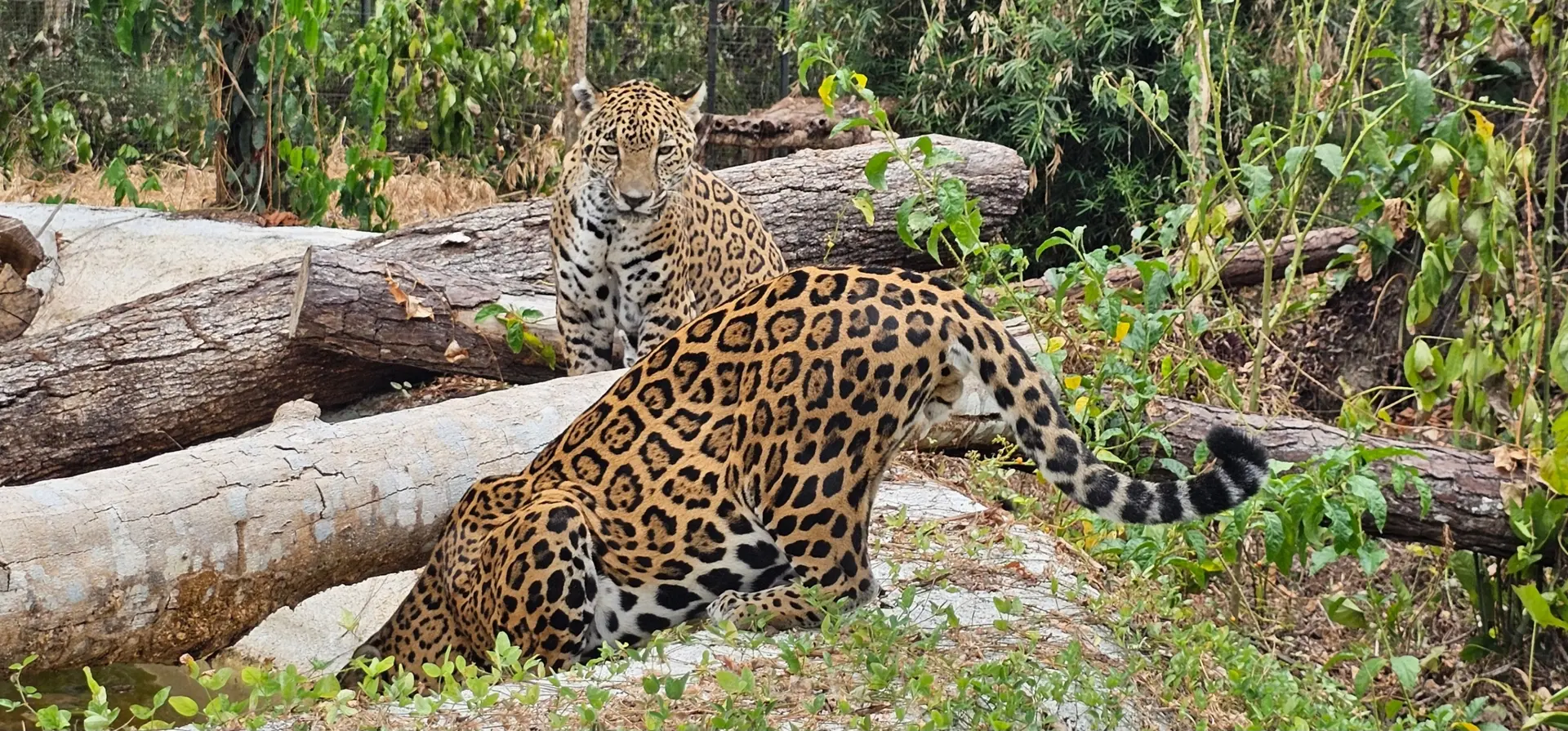
Wildlife & Biodiversity
Observation animale, sanctuaires, réserves
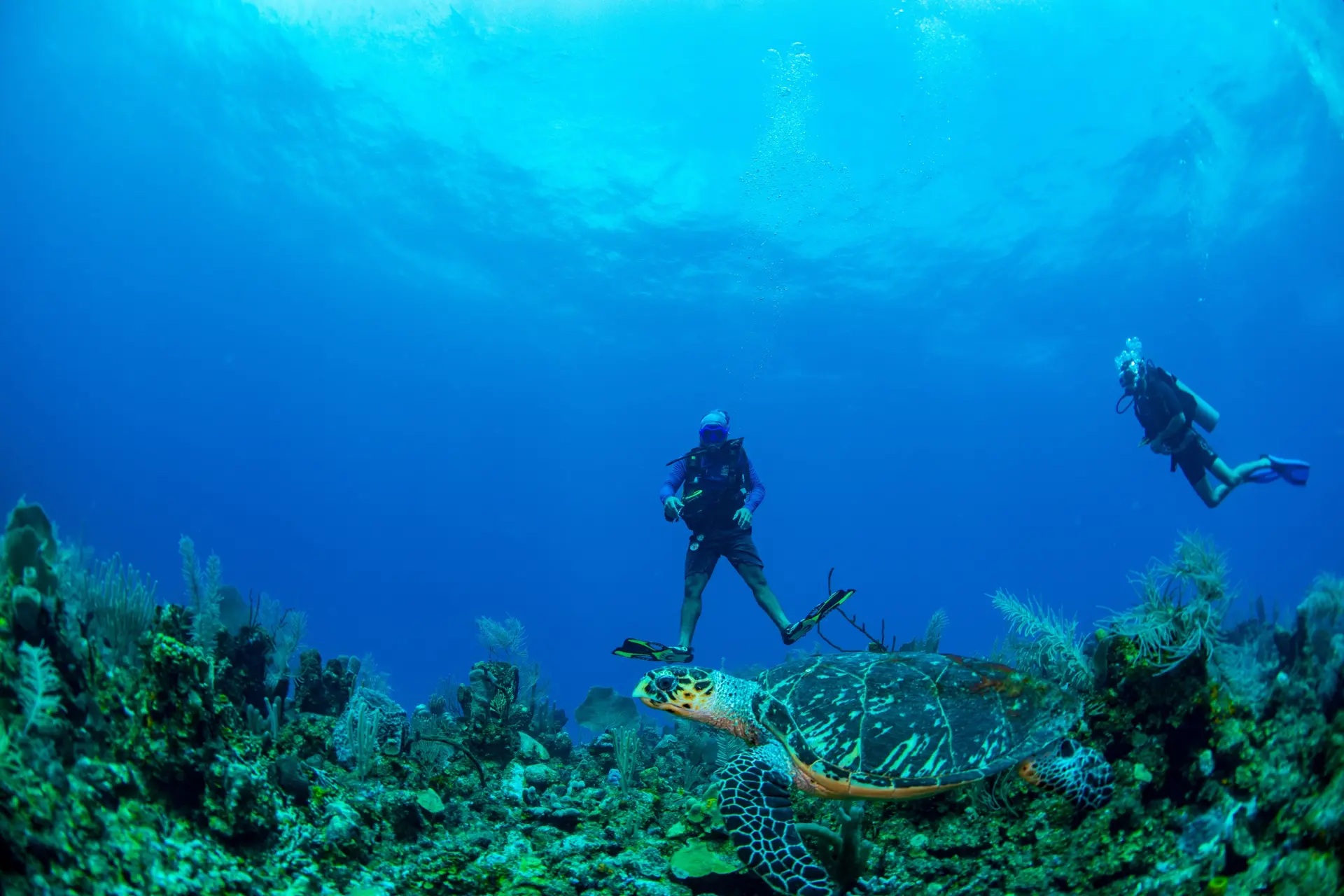
Activities & Adventure
Trek, kayak, escalade, sports outdoor
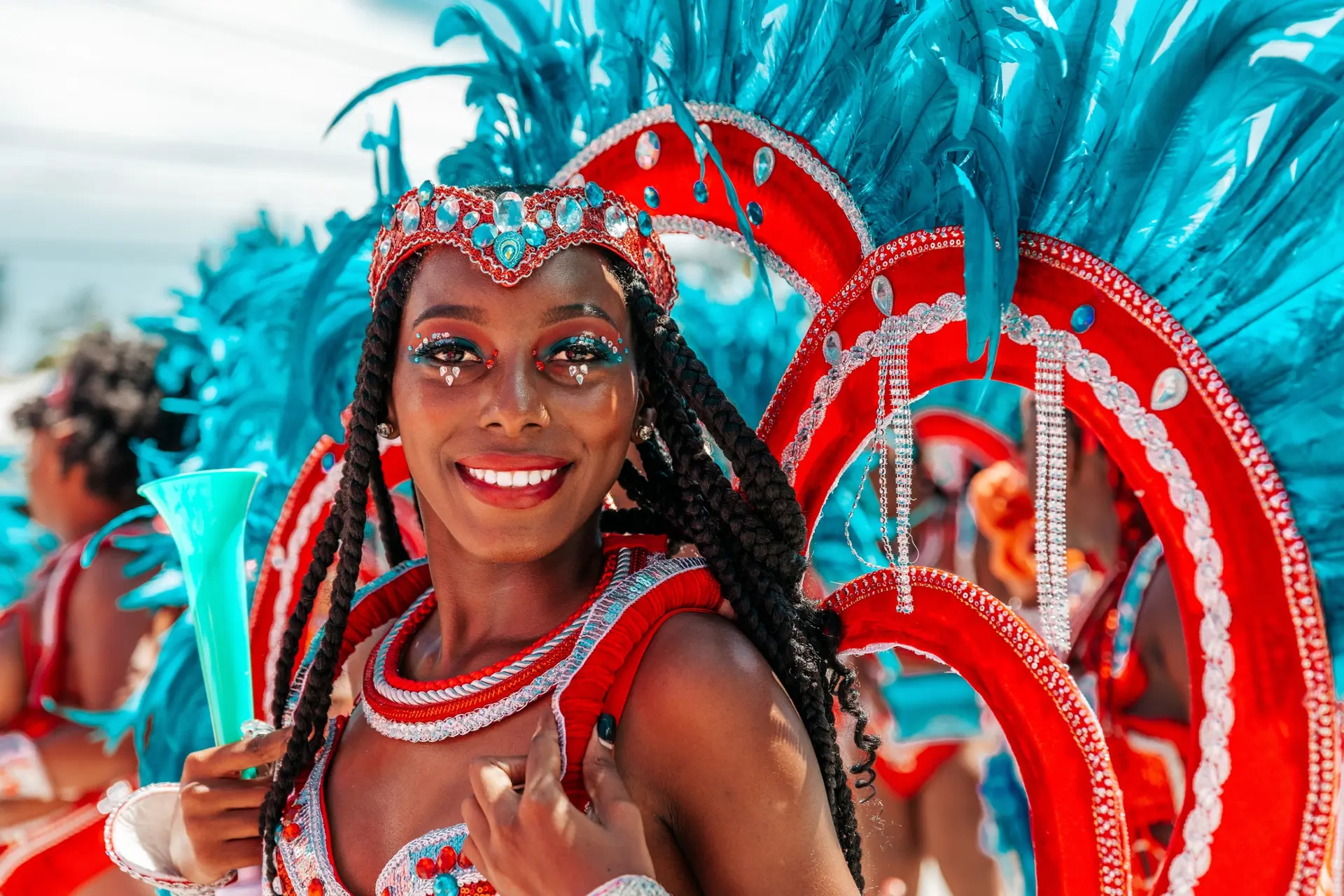
Traditions et Festivals
Fêtes traditionnelles, cérémonies, rituels
We use cookies to improve your experience and measure our site's audience. You can choose what you accept. Learn more.