The Ruins of Xunantunich
The Ruins of Xunantunich
A Mayan city perched on a limestone ridge near San Ignacio, Xunantunich is home to El Castillo, a 30-meter pyramid offering sweeping views over the Mopan Valley.
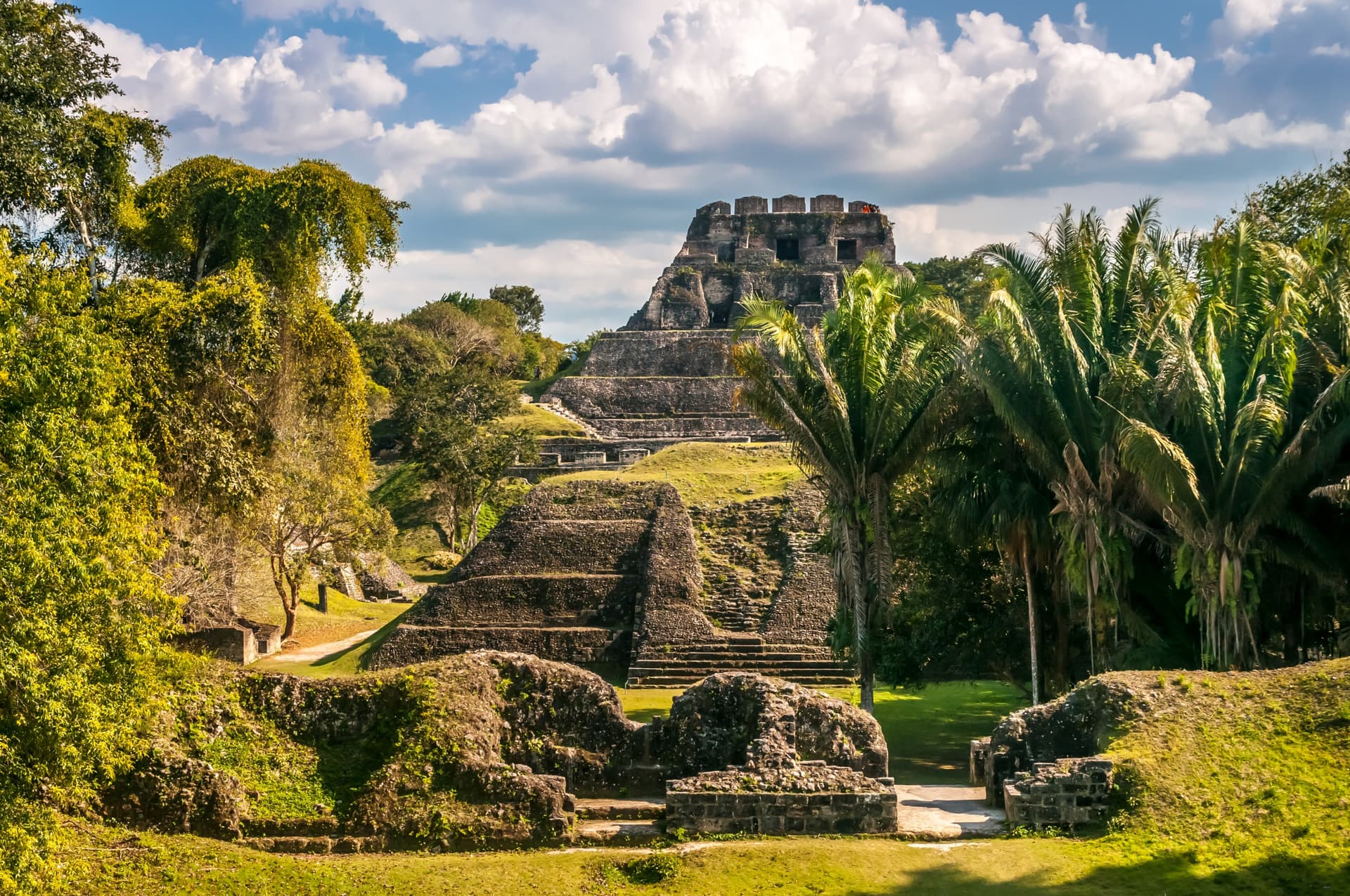
Perched on a limestone ridge in the Cayo District, near the Guatemalan border, the ruins of Xunantunich rank among Belize's most visited Mayan sites. The site lies roughly twenty minutes from San Ignacio, along the route connecting Belize to Tikal. Its main pyramid, El Castillo, dominates the Mopan Valley and offers expansive views across the region.
Why Visit Xunantunich
Xunantunich brings together several advantages that make it a worthwhile stop for anyone interested in Mayan civilization:
- El Castillo, the second-tallest ancient structure in Belize after Caracol, standing 30 meters high.
- Restored stucco friezes adorning both faces of the pyramid, depicting Mayan deities and mythological scenes.
- Moderate visitor numbers compared to other major sites in the region, making for a more pleasant experience.
- An original access route via hand-cranked ferry across the Mopan River, followed by a short hike.
- Immediate proximity to San Ignacio and the Guatemalan border, convenient for travelers in transit to Tikal.
History of the Site
Xunantunich was occupied during the first millennium of our era, with its peak falling between the 7th and 10th centuries. The city functioned as a ceremonial and political center for the Mopan region, housing at its height an estimated population of roughly 200,000 across its sphere of influence. Like most major Mayan cities of the lowlands, it was abandoned at the end of the Classic period, for reasons still debated by historians (droughts, political pressures, environmental factors).
Buried beneath the jungle, the site was rediscovered in the late 19th century. The first excavations were conducted by archaeologist Thomas Gann between 1894 and 1895. Xunantunich became officially known to the Western world in 1938 and welcomed its first tourists starting in 1950. It was Belize's first Mayan site opened to the public.
In 2016, archaeologists uncovered the largest burial ever discovered in Belize beneath one of the main structures. Attributed to a young ruler, the tomb contained pottery, obsidian blades, jade beads, and animal bones.
Etymology
The name "Xunantunich" comes from Yucatecan Maya and means "Stone Woman" or "Maiden of the Rock". It references a legend of a ghostly woman said to have appeared repeatedly before El Castillo. The original Mayan name is unknown. The pronunciation approximates "Shoo-nan-too-nich".
What to See on Site
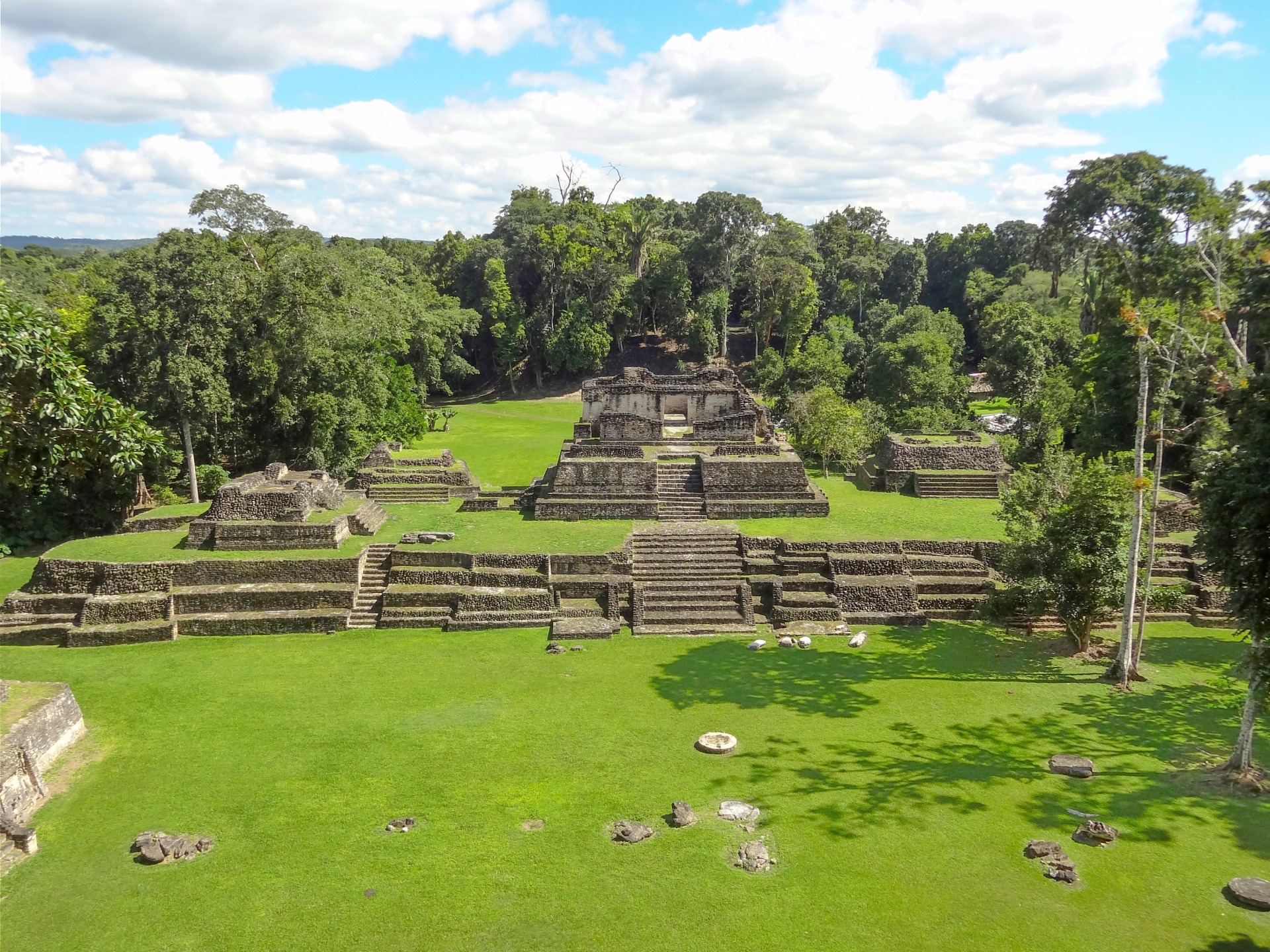
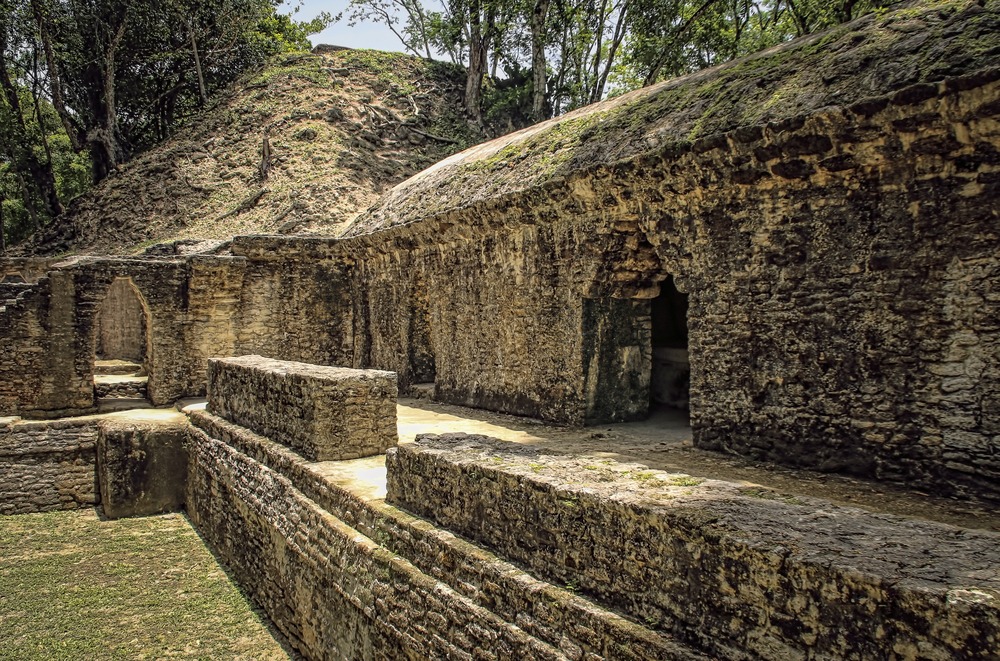
The archaeological heart of Xunantunich comprises more than 25 monuments—temples, palaces, tombs—distributed around six plazas. All structures date from the Classic Mayan period.
El Castillo
The main pyramid, El Castillo rises to 30 meters and serves as the site's visual landmark. Both facades are adorned with restored stucco friezes depicting deities and mythological scenes. Steep stairs lead to a summit platform overlooking the Mopan Valley, surrounding remains, and—on clear days—Guatemalan highlands in the distance.
The Plazas and Elite Residences
Six successive plazas organize around El Castillo, once bordered by residences reserved for the elite. The lower secondary structures provide insight into the city's urban and ceremonial layout.
The Royal Tomb
The burial uncovered in 2016 ranks among the site's most discussed features. It is not fully accessible to the public, but interpretive panels and a small museum at the entrance present the artifacts and discovery context.
Fauna and Environment
The site is surrounded by tropical vegetation that attracts numerous bird species. Toucans, parrots, and raptors are regularly spotted from the plazas and pathways connecting the structures.
Practical Information
- Hours: Open during daylight hours, generally from morning through late afternoon. Check current hours before your visit.
- Admission: Paid entry at a modest rate, payable in local currency.
- Visit duration: Allow 2 to 3 hours to explore the entire site.
- On-site: Small interpretation museum, souvenir shops near the ferry landing, riverside restaurant.
- What to bring: Water, hat, closed-toe shoes, sun protection. El Castillo's stairs are steep.
When to Go
Belize has two main seasons. The dry season, from late November through May, remains the most comfortable period for visiting Xunantunich: accessible trails, manageable morning heat, and easy ferry crossings. The rainy season, from June through November, can muddy trails and cause river swells that occasionally halt ferry service. Prefer an early morning visit to avoid afternoon heat and enjoy better light on the stucco friezes.
How to Get There
The logical starting point is San Ignacio. From the bus terminal opposite the market, take a local bus heading toward Benque Viejo del Carmen and get off at the "Xunantunich" stop (approximately 20 minutes). A taxi is also available, though at higher cost.
Once off the main road, you cross the Mopan River (approximately 10 meters wide) aboard a hand-cranked ferry that also transports vehicles. The crossing is free and included with your site visit. From the far bank, a short uphill hike of about 2 km leads to the site entrance.
Nearby Attractions
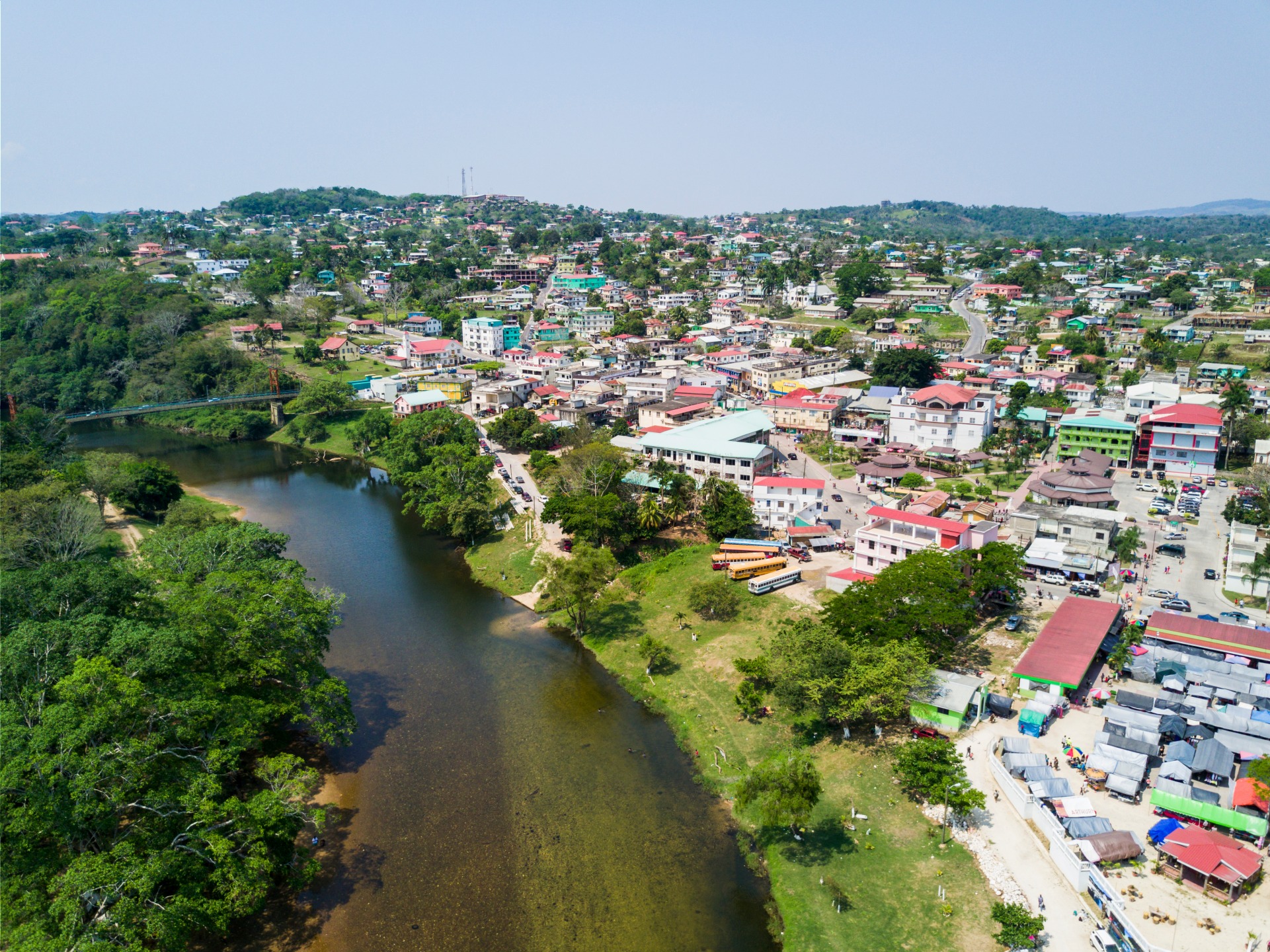
- San Ignacio: The main hub town of Cayo District, an ideal base for exploring Mayan sites.
- Caracol Mayan Ruins: Belize's largest Mayan city, home to the country's tallest pyramid.
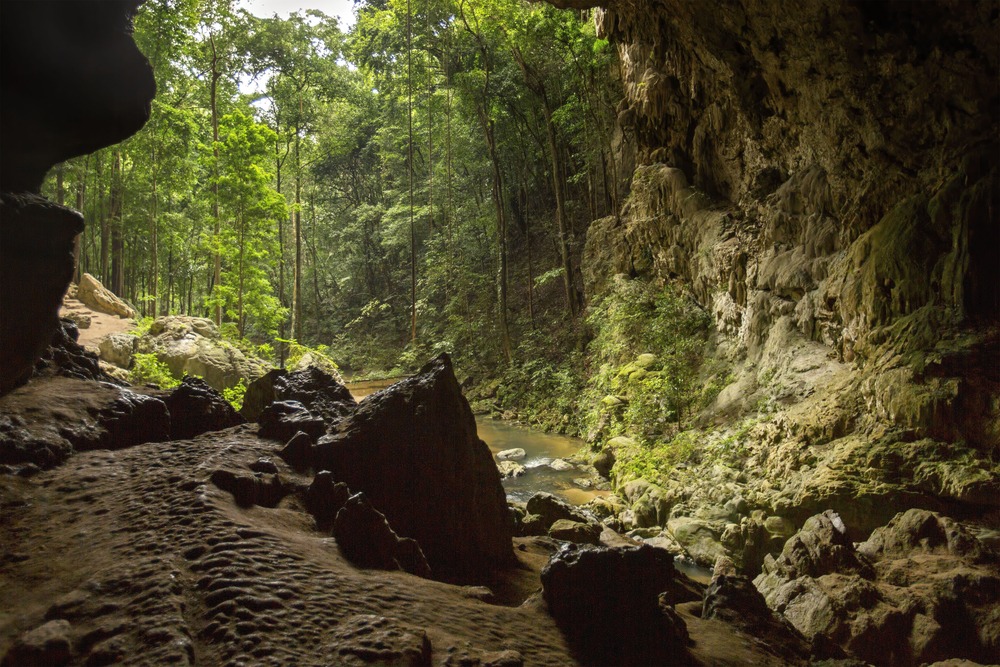
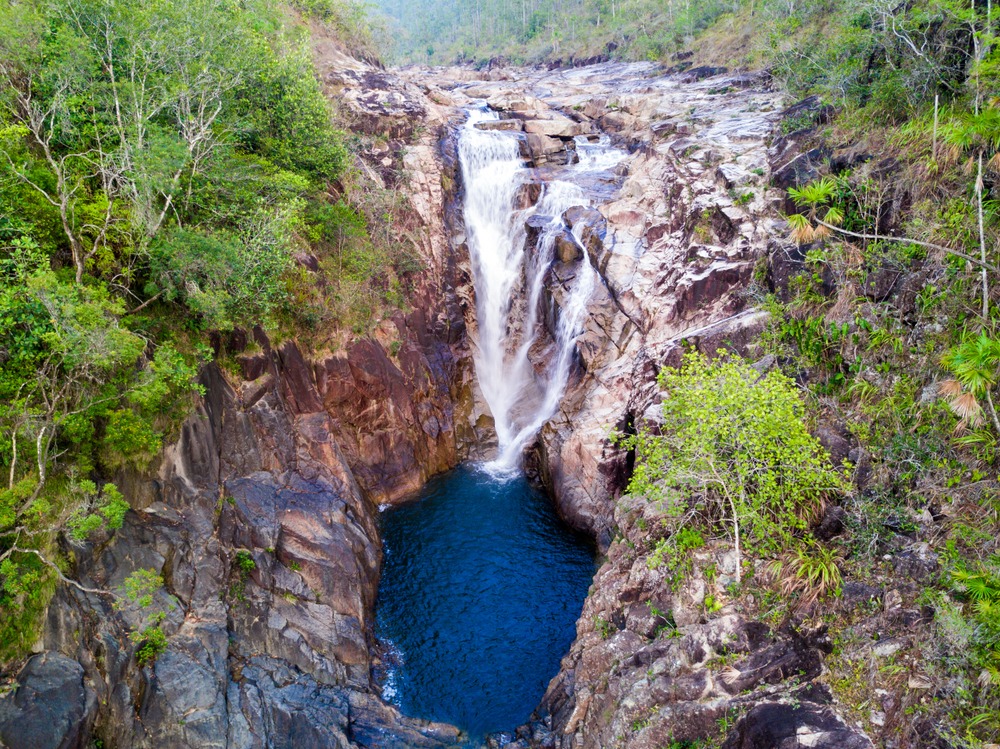
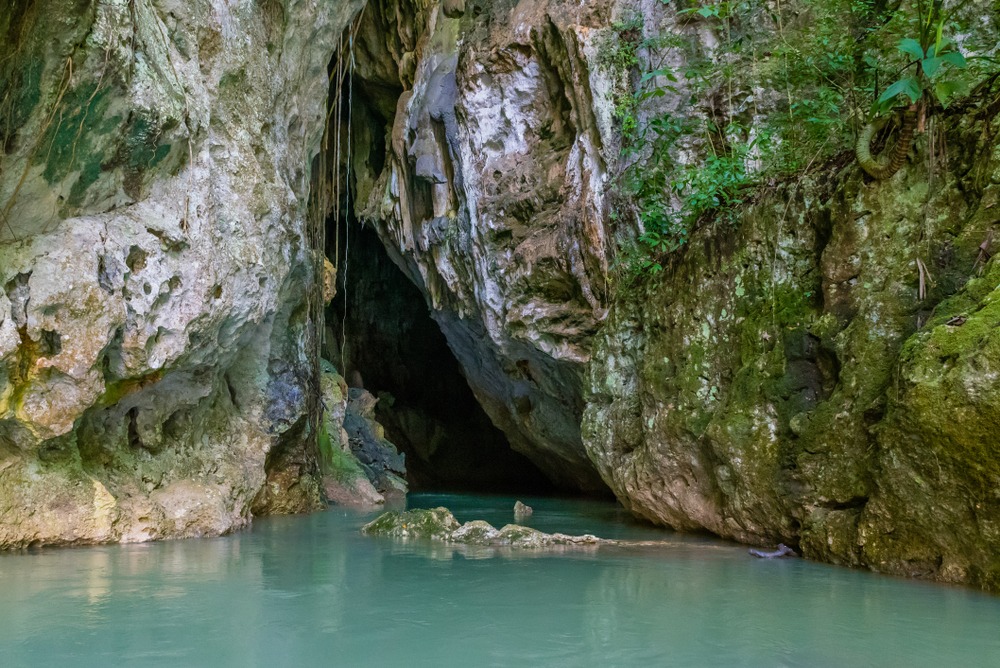
- Mountain Pine Ridge Forest Reserve: Pine forests, waterfalls, and caves, accessible from San Ignacio.
- Yaxha Archaeological Site: Another Mayan city on the Guatemalan side, accessible by crossing the nearby border.
- Lamanai: A Mayan site further north, set in jungle bordered by a lagoon.
Frequently Asked Questions
Frequently asked questions
Plan for 2 to 3 hours on-site, including climbing El Castillo and touring the plazas. Adding travel from San Ignacio and the ferry crossing, set aside a full half-day.
Yes, the ascent is permitted via side stairs. The steps are steep; exercise caution in wet conditions. The summit panorama encompasses the Mopan Valley and surrounding structures.
In Yucatecan Maya, the name means "Stone Woman" or "Maiden of the Rock". It references a legend of a female apparition appearing before El Castillo. The pronunciation is close to "Shoo-nan-too-nich".
A hand-cranked ferry connects the two banks of the Mopan, roughly 10 meters wide. It carries both pedestrians and vehicles. The crossing takes only a few minutes and provides access to the trail leading to the site.
Yes, this is a common itinerary. The Benque Viejo del Carmen border crossing lies minutes from the site. Many travelers visit Xunantunich in the morning before crossing into Guatemala toward Flores and Tikal.
Planning Your Belize Trip
Xunantunich fits easily into a circuit combining Mayan sites, jungle, and Caribbean coast. To build your Belize itinerary with help from our specialists, consult our custom trips to Belize.
Nearby
Interested in this visit?
We can include it in your personalised itinerary.