Barton Creek Cave
Barton Creek Cave
A river cave in Cayo District, once a gateway to Xibalba for the Maya, Barton Creek Cave is explored by canoe from San Ignacio.
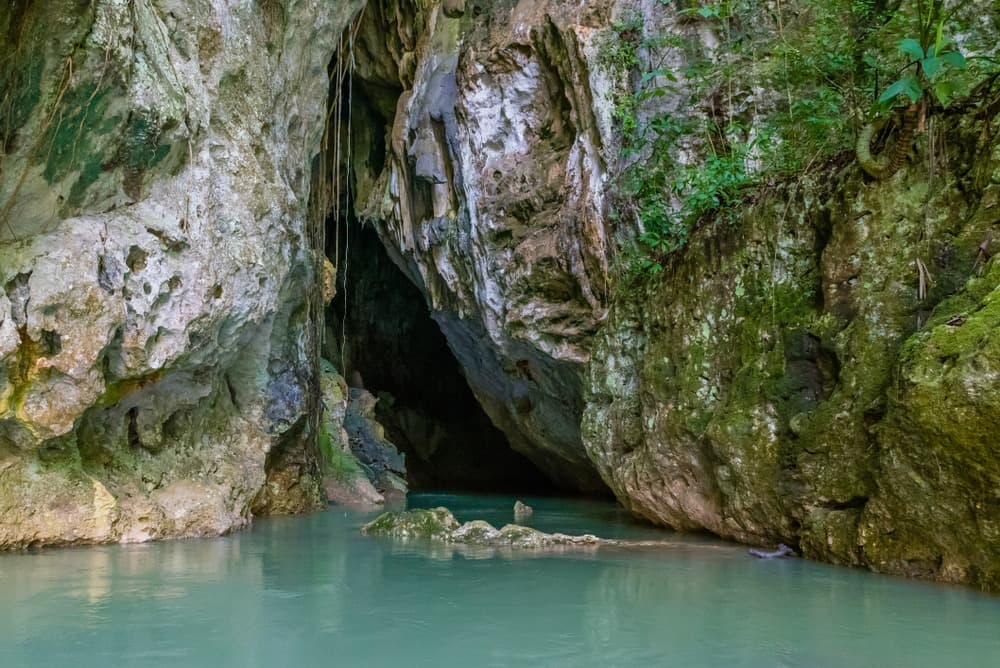
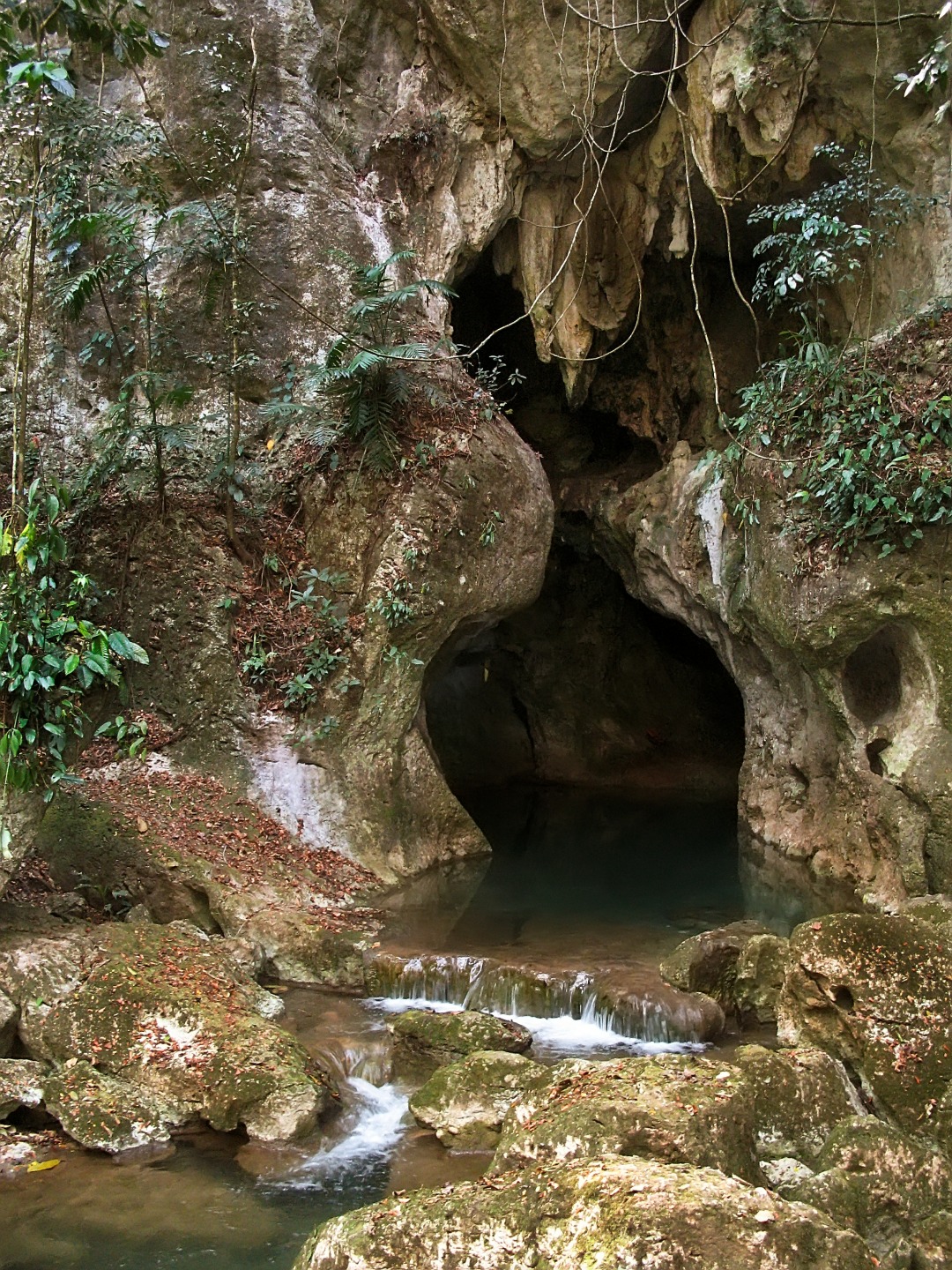
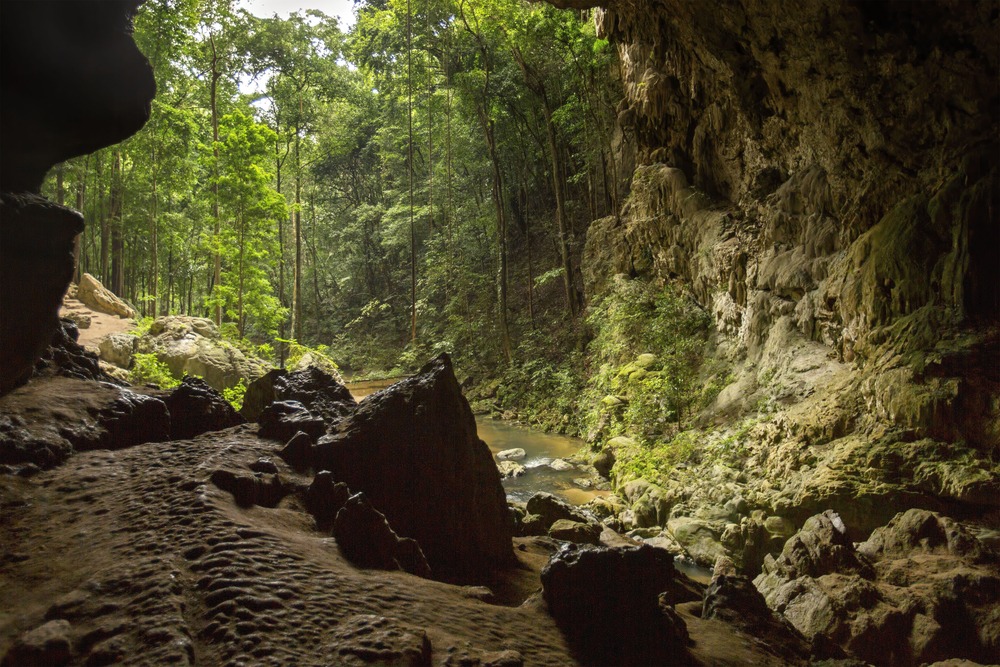
Barton Creek Cave is a limestone river cavern located in Cayo District, near San Ignacio. An ancient Mayan ceremonial site considered one of the entrances to Xibalba, the realm of the gods of death, it is explored by canoe along an underground stream that flows through vast chambers adorned with stalactites.
Why Visit Barton Creek Cave
Three main reasons inspire a visit:
- A major archaeological site: the cave hosted Mayan ceremonies between 200 and 900 AD. Around twenty human remains have been identified, including a necklace made from finger bones.
- Remarkable geology: Mother Nature Network ranked it among the nine most unusual cave destinations in the world. The network extends approximately 8 km, with 1.6 km of navigable waterway.
- An accessible canoe experience: unlike other Mayan caves in Belize that require swimming and climbing, Barton Creek can be explored seated in a canoe, making it accessible to a wide audience.
History and Archaeology
The Maya actively used the cave between the 3rd and 9th centuries AD, confirmed by pottery dating found on site. For priests, this underground tunnel represented a sacred threshold to Xibalba, the world of the dead. Rituals and likely sacrifices took place here: at least 28 skeletons have been recorded inside, their position and context suggesting they were ceremonial victims.
The cave was rediscovered in 1970 by Peace Corps volunteers. Shortly after, it was unfortunately looted and many Mayan artifacts were destroyed or dispersed. Systematic archaeological studies only began in 1998, followed by a survey in 2005 that clarified the extent of the network.
What You See On Site
The Cathedral Chambers
The canoe progresses beneath ceilings covered with stalactites, through spaces that guides refer to as the "cathedral chambers" for their grandeur. The acoustics are particularly striking, and the headlamp gradually reveals the limestone formations.
Mayan Remains
Along the route, you spot pottery in place from the water, bone fragments and various artifacts left where archaeologists found them. Nothing may be touched: the cave functions as a protected site, observed from the canoe.
Swimming Upon Exit
At the end of the underground passage, the outdoor stream allows a swim in cool water, a natural extension of the visit.
Practical Information
- Duration: plan for roughly 1 hour inside the cave, and at least a half-day including travel and swimming.
- Licensed guide required: visits are conducted solely with an authorized guide, who manages navigation, safety and site interpretation.
- Cost: moderate, typically sold as a combined excursion from San Ignacio or regional lodges.
- What to bring: headlamp, closed-toe shoes suited to slippery ground, change of clothes, water, insect repellent, lightweight quick-dry clothing.
When to Go
The dry season, February through May, offers the most comfortable conditions: the access track is passable and the stream level remains stable. During the rainy season (June to November), the road becomes muddy and slippery, and water levels may limit or alter the canoe route. Check with your operator before departure.
How to Get There
Access is from San Ignacio. Head to Georgeville on the Western Highway, then take the Chiquibul Road heading south. A secondary track then leads to the cave, with a river crossing at a ford. Expect about 1 hour of driving from San Ignacio or Chaa Creek depending on conditions. The track is rough and a 4x4 vehicle is recommended, especially after rain. Most visitors go through an organized excursion, more convenient than self-drive rental.
What to See Nearby
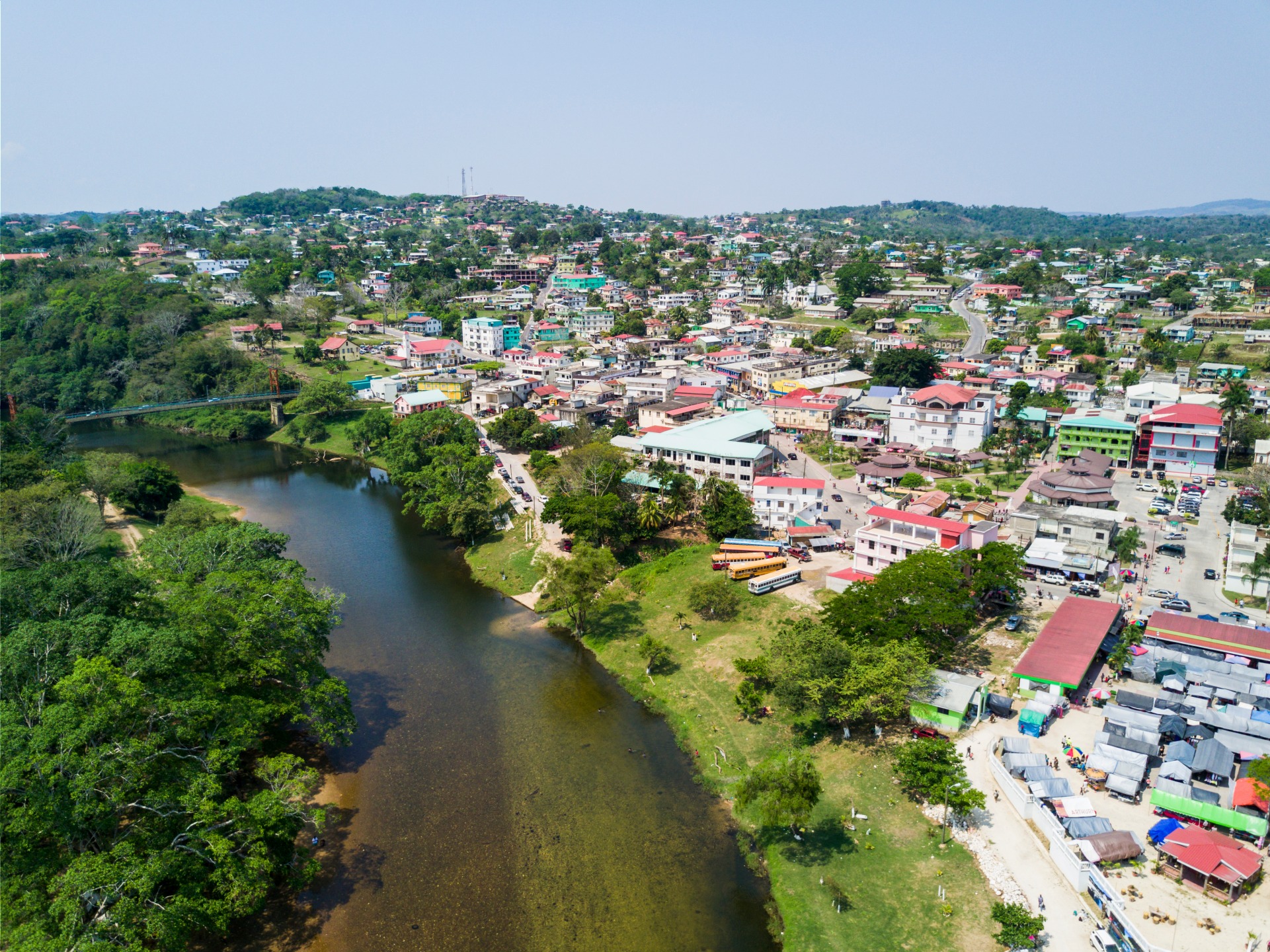
- San Ignacio, the logistical hub of Cayo District and departure point for most excursions.
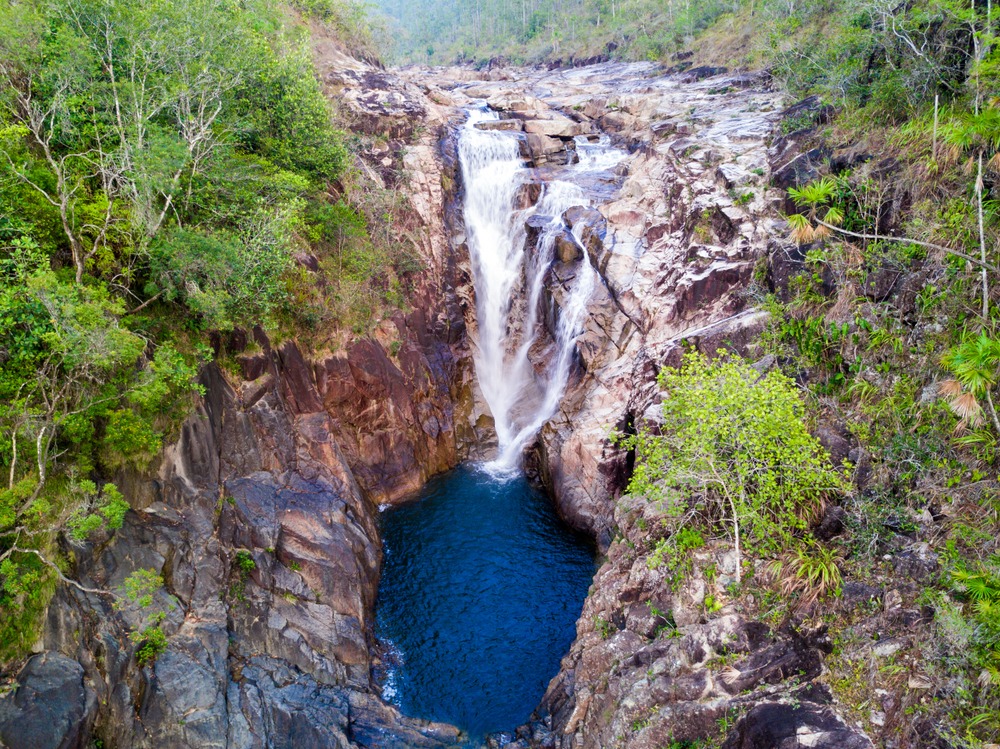
- The Mountain Pine Ridge Forest Reserve, crossed by the same Chiquibul Road, with waterfalls and viewpoints.
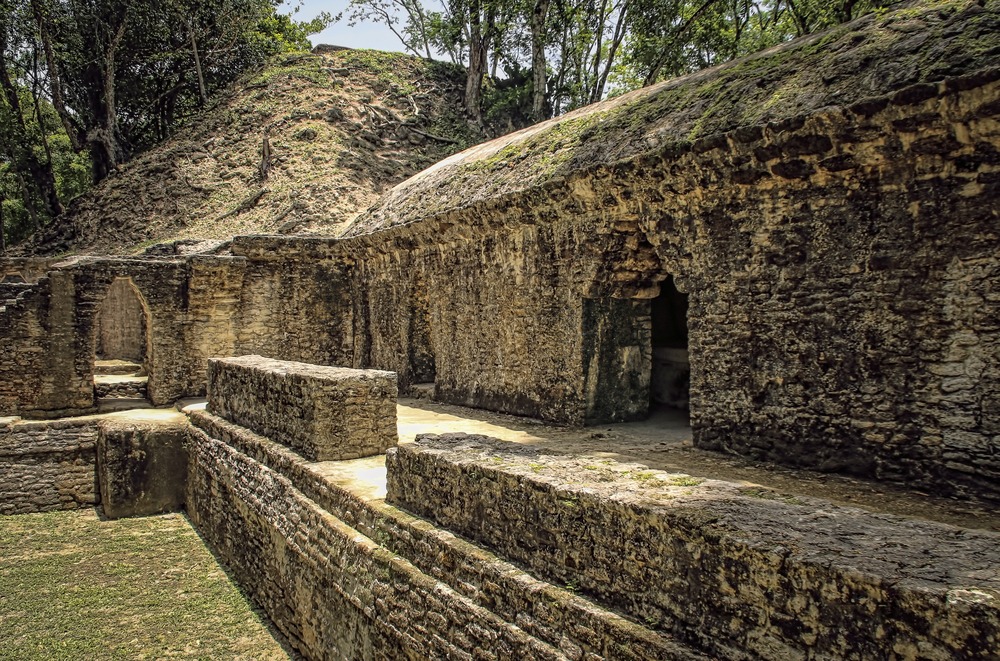
- The Caracol Mayan Ruins, a major ceremonial site accessible further south.
- The Yaxha archaeological site, on the Guatemalan side, a cultural complement for those extending their trip.
Frequently Asked Questions
Frequently asked questions
Want to include Barton Creek Cave in a complete itinerary of Cayo District? Discover our Belize travel suggestions.
Nearby
Interested in this visit?
We can include it in your personalised itinerary.