Cahal Pech
Cahal Pech
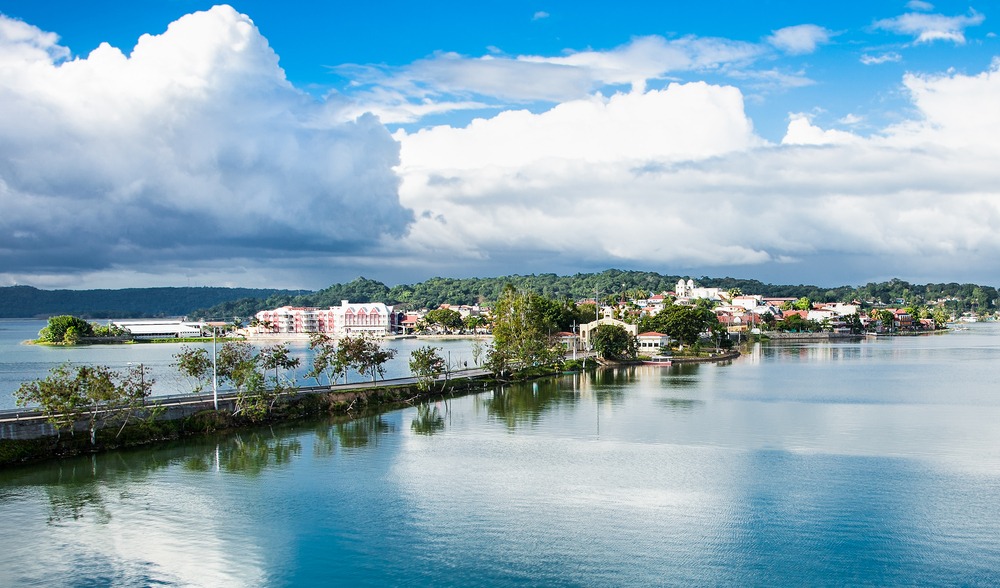
Perched on a hilltop overlooking San Ignacio, Cahal Pech brings together 34 Maya structures, a small museum, and one of the earliest known settlements in Belize.
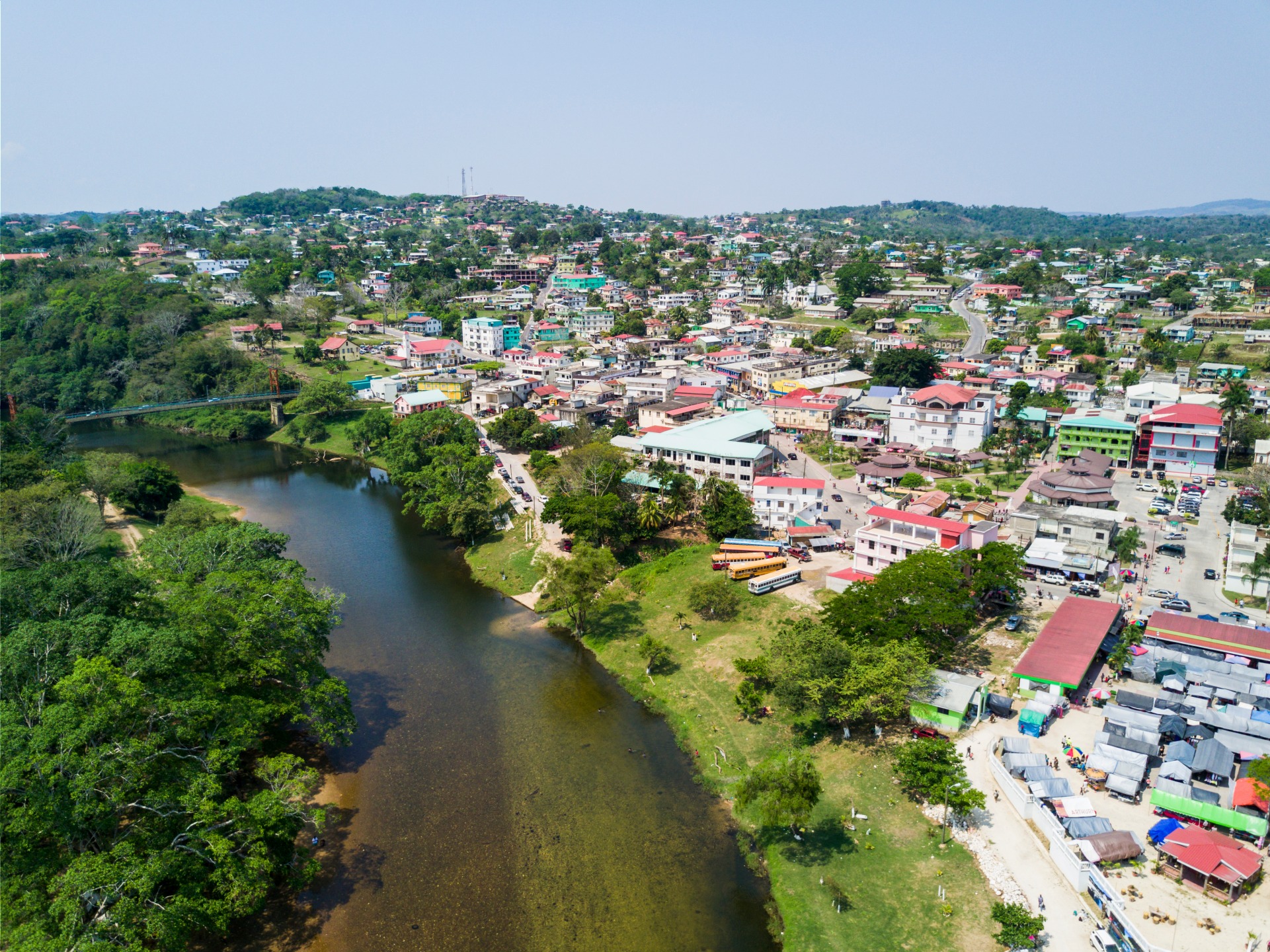
Cahal Pech crowns a hillside on the western bank of the Macal River in Cayo District, dominating the twin towns of San Ignacio and Santa Elena. This Maya site encompasses 34 structures spread across eight interconnected plazas and ranks among the earliest known settlements in this region of Mesoamerica.
Why visit Cahal Pech
Cahal Pech draws visitors for three primary reasons. The site holds the earliest documented ceramics in western Belize, making it essential for understanding the Maya Preclassic period. Its elevated position commands sweeping views across the Belize River valley. Finally, its immediate proximity to San Ignacio's center makes it accessible without logistical complexity: just 5 minutes by car or roughly 20 minutes on foot to reach the entrance.
Compared to Caracol or nearby ruins, Cahal Pech is modest in scale yet densely structured, offering a cohesive visit without requiring hours of travel.
History of the site
Origins and peak
The first inhabitants settled around 1300 BCE, during the Middle Preclassic. By 1200 BCE, Maya migrants from Guatemala colonized the city, which then numbered among Belize's oldest known Maya settlements. Cahal Pech reached its height during the Classic period: an estimated 10,000 to 15,000 people lived on the site and surrounding lands. The economy centered on jade and obsidian trade, both materials imported and worked on-site.
The site was abandoned around the 9th century CE, for reasons still debated within the broader context of the Classic Maya collapse.
Etymology
The name Cahal Pech means "place of ticks" in Yucatecan Maya. The name is recent: in the 1950s, the site served as cattle pasture and was infested with ticks, inspiring early explorers to adopt this designation.
Excavations and restoration
The earliest archaeological investigations date to the 1950s, led by Linton Satterthwaite of the University of Pennsylvania Museum. The site suffered severe looting in the 1970s before partial restoration efforts began. Starting in 1988, Dr. Jaime Awe conducted extensive research that established a reliable chronology based on artifacts. A comprehensive restoration was completed around the turn of the 2000s.
What to see on the site
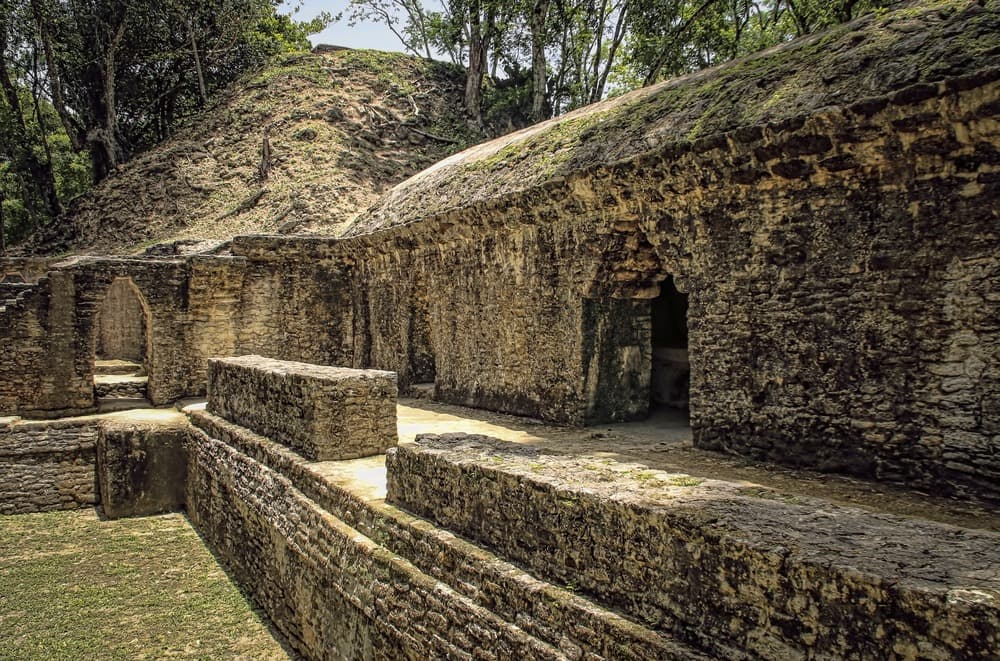
The site's spatial layout unfolds across eight interconnected plazas. Visitors discover:
- a palatial residence where Maya elites once lived, featuring particularly elaborate architecture;
- the ceremonial core located on the western side;
- several temple-pyramids, the tallest reaching roughly 25 meters;
- a ball court, stelae, tombs, and an altar;
- Preclassic figurines of significant archaeological interest.
At the entrance, a small museum displays a selection of artifacts: shell and bone jewelry, ceramics, a jade and shell mask, obsidian projectile points. Allow 1 to 2 hours to explore everything at a leisurely pace.
Practical information
The site opens daily during daylight hours. Entrance fees remain modest, with reduced rates for Belizean citizens and standard rates for foreign visitors; entry is free on Sundays and public holidays for Belizean nationals. Since tariffs and hours may change, check with Belize's Institute of Archaeology before your visit.
Wear closed-toe shoes, bring water, and apply sun protection: the climb to the acropolis follows an improved trail but can be slippery after rainfall.
When to visit
The dry season, from January to May, offers the most comfortable conditions: passable trails, clear skies over the Belize River valley, manageable temperatures. Outside this season, tropical showers may make the visit wetter but vegetation is lusher. An early morning visit avoids both heat and tour groups.
How to get there
Cahal Pech lies about 5 minutes by car from San Ignacio's center, or 20 minutes on foot via an uphill road. From Belmopan, reach San Ignacio via the Western Highway heading toward the Guatemala border. In San Ignacio, follow Buena Vista Road: at the junction, turn left southward, then right at the fork onto the climbing road leading directly to the site's entrance.
Nearby attractions
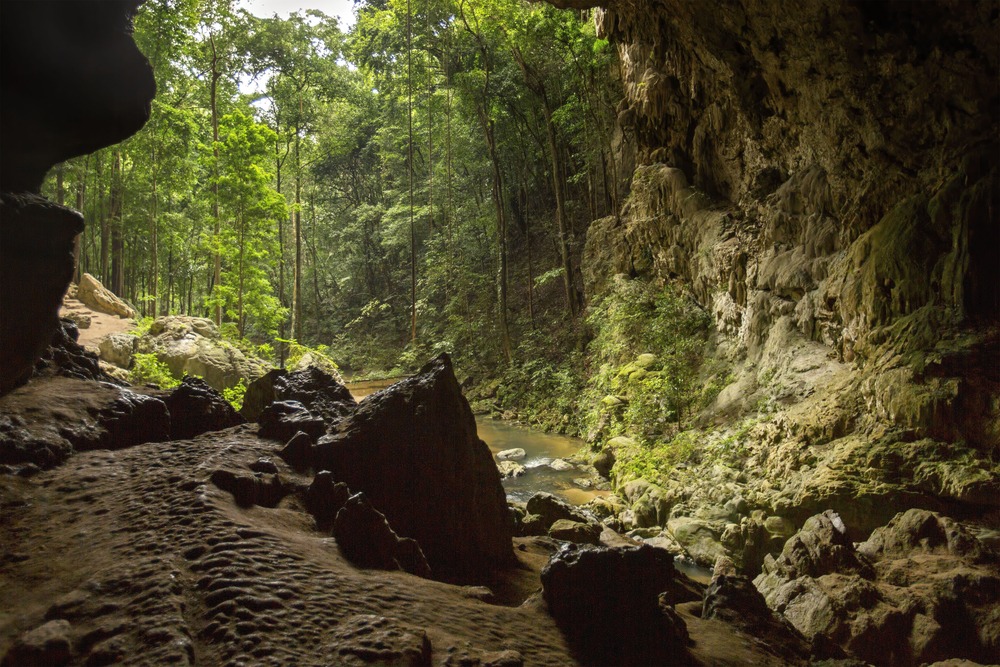
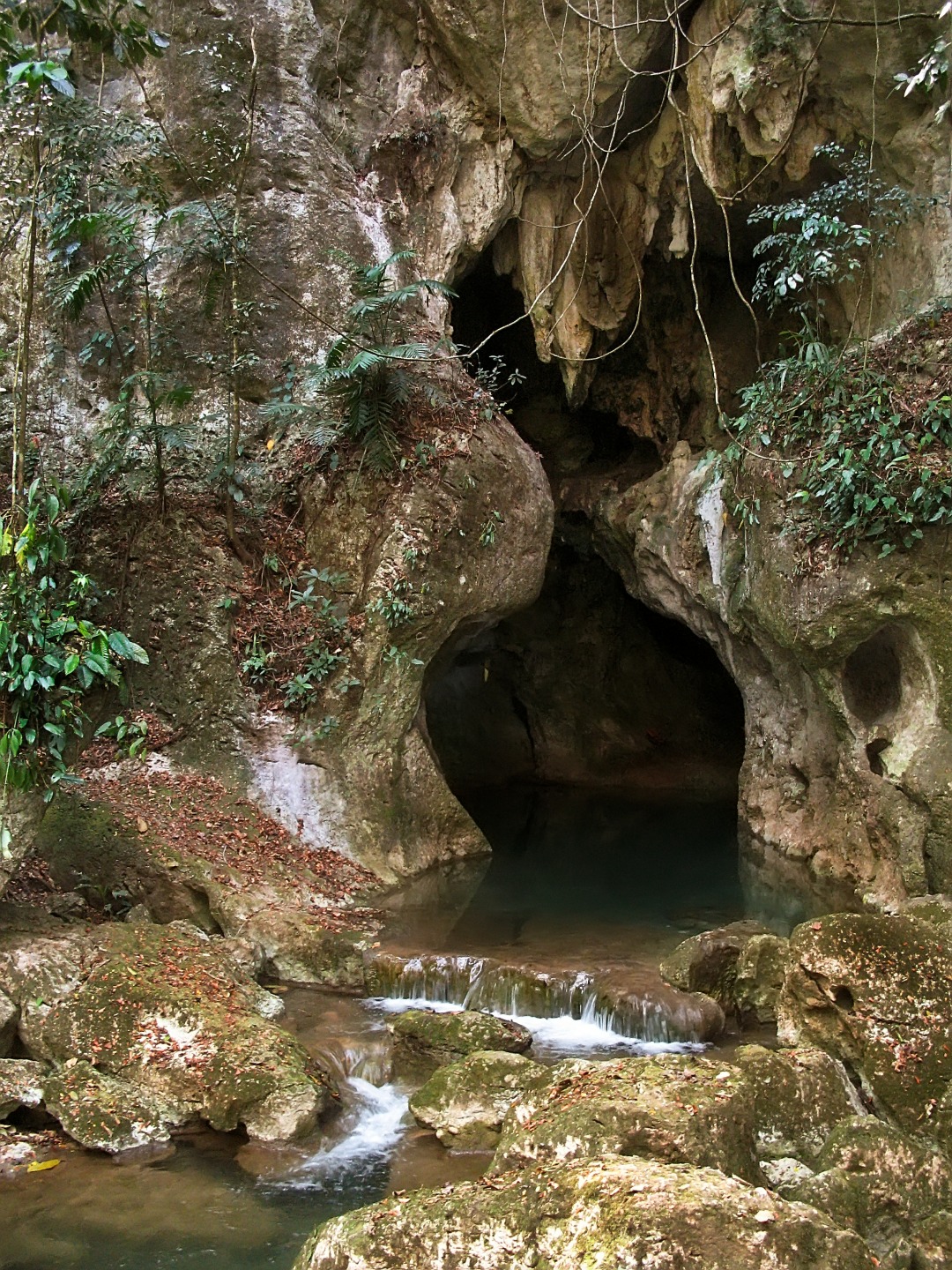
Cayo District concentrates several Maya sites and natural wonders to combine on a single stay:
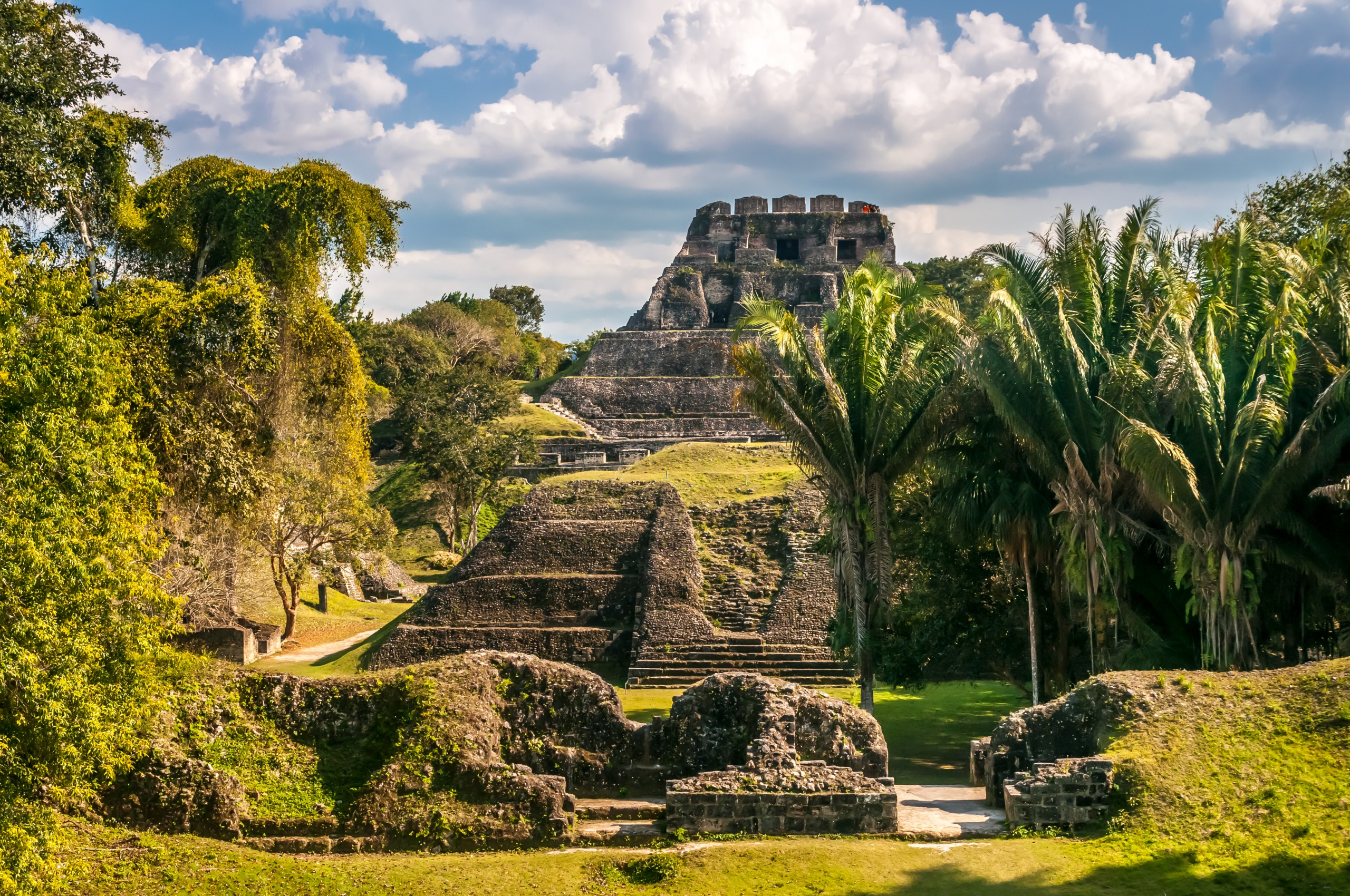
- Xunantunich, more monumental, about 30 minutes away;
- the Maya ruins of Caracol, more remote but spectacular;
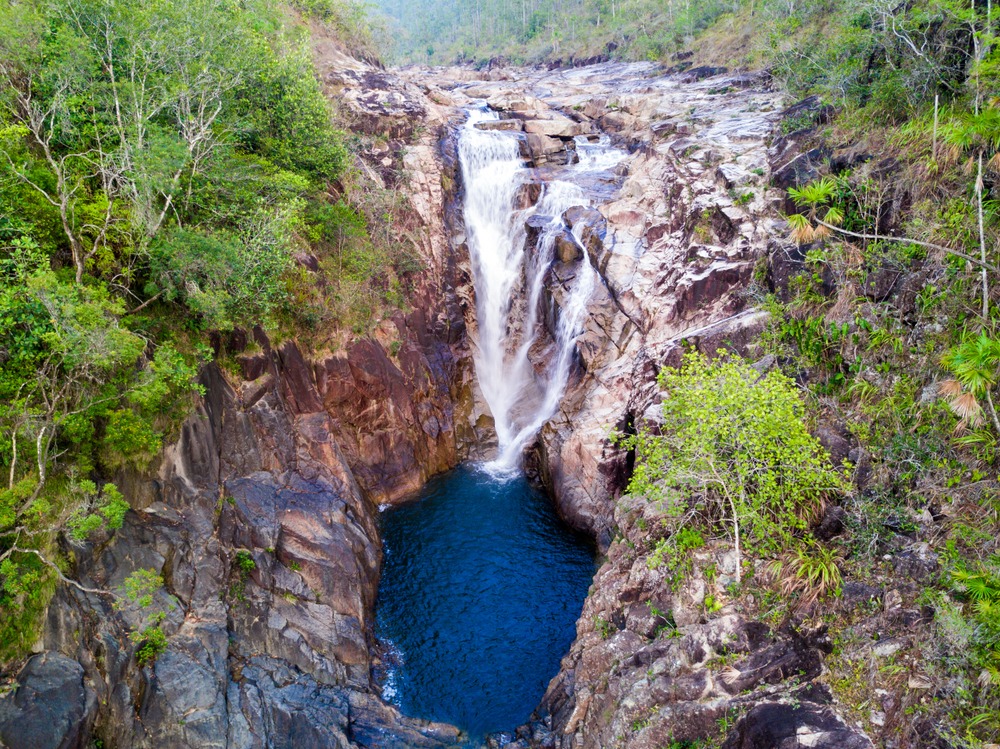
- Big Rock Falls for a swimming break;
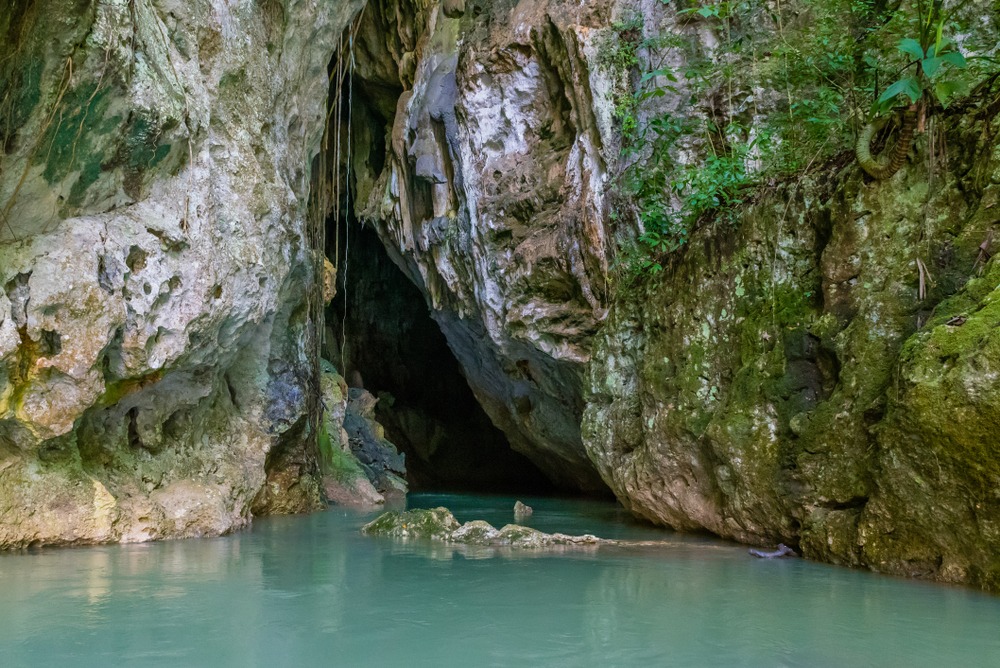
- Barton Creek Cave, roughly 16 km away, to explore by canoe;
- the Macal River, ideal for canoeing and horseback riding in the surrounding area.
Frequently asked questions
Frequently asked questions
Plan your visit
Cahal Pech fits naturally into a circuit through Cayo District, amid rivers, caves, and Maya sites. To build a coherent itinerary across Belize, explore our Belize trips and suggestions for stops around San Ignacio.
Nearby
Interested in this visit?
We can include it in your personalised itinerary.