South and Toledo
Tranquil beaches of Placencia, Kekchi and Mopan villages of Toledo, cacao farms and southern cayes: the least visited and most culturally diverse part of Belize.
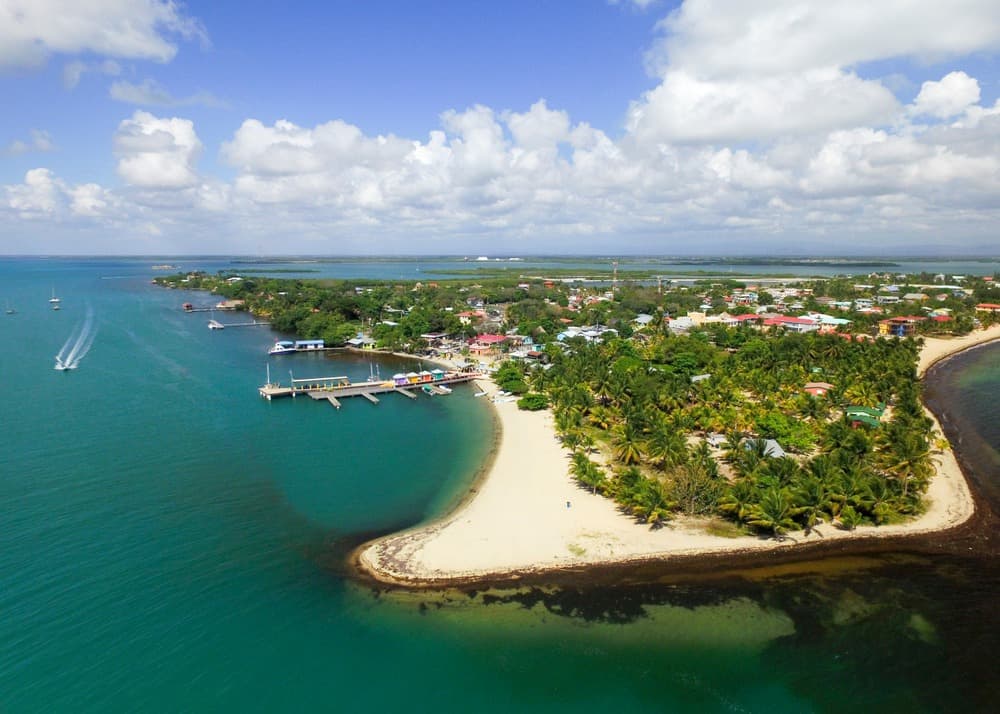
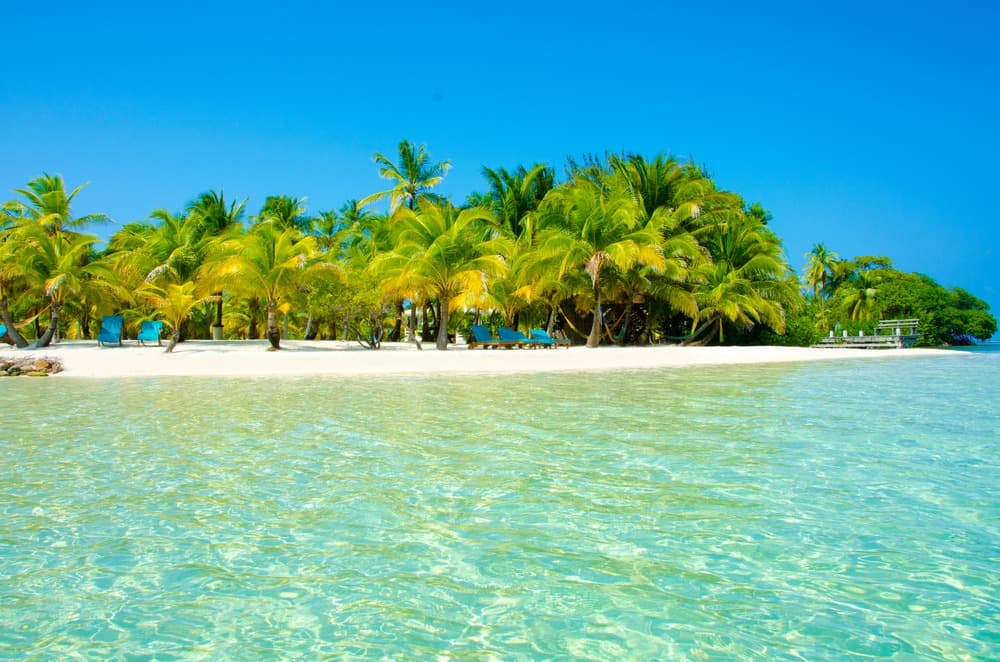
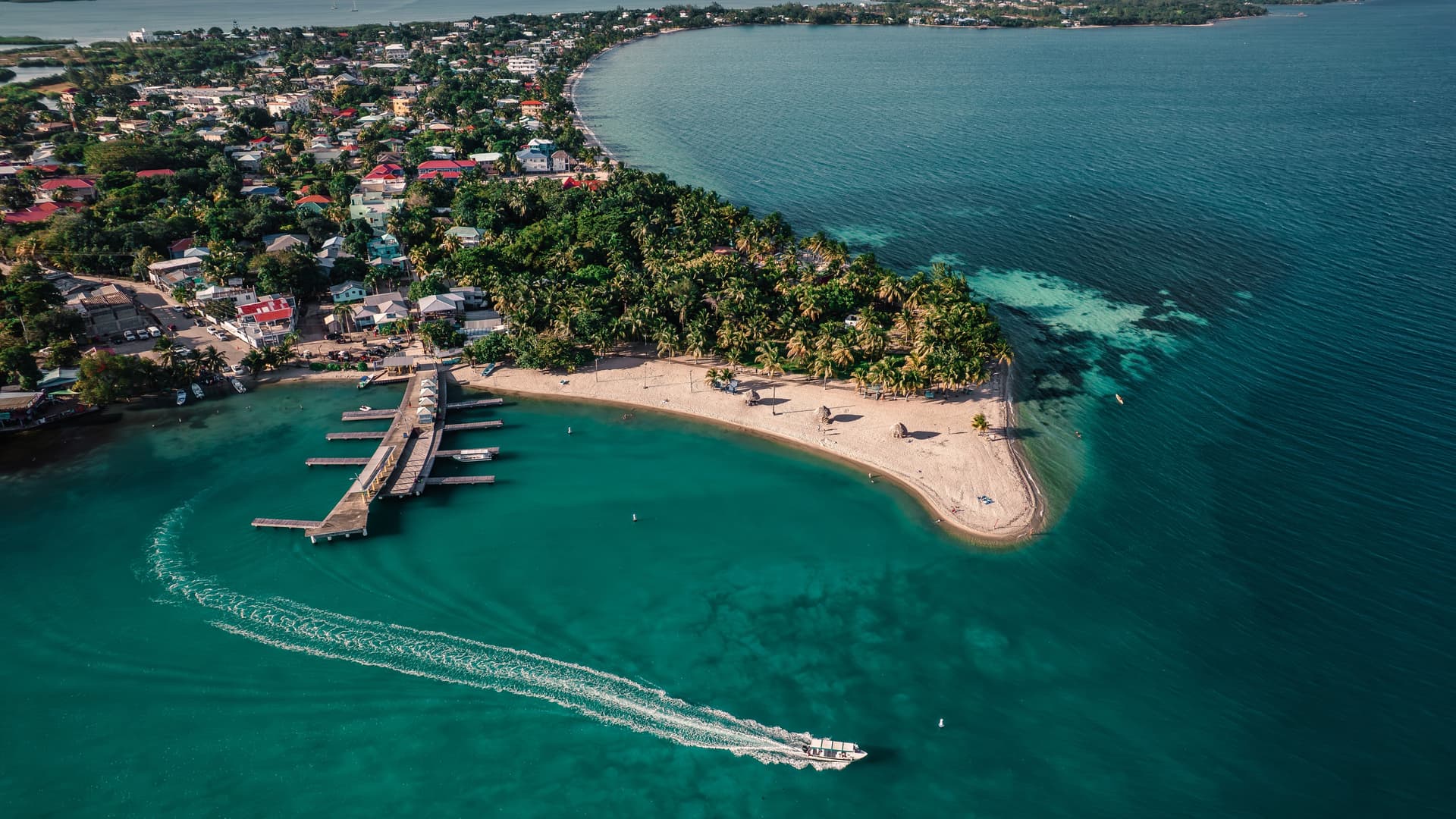
Southern Belize practically begins at the Riversdale bridge, where the road leaves the Southern Highway to enter the Placencia peninsula, a 26-kilometer strip of sand bordered by the lagoon to the west and the Caribbean Sea to the east. It is the country's most tranquil stretch of coastline, without the tourist density of Ambergris Caye, with three distinct villages: Maya Beach to the north, Seine Bight in the middle (predominantly inhabited by Garifunas) and Placencia village at the southern tip. From there, it takes 30 to 50 minutes by boat to reach the southern cayes such as Ranguana or Silk Cayes, smaller and less crowded than those of Ambergris.
Further south, after two hours' drive, you enter the Toledo District, long designated in Belize as the "forgotten district". The regional capital, Punta Gorda, or "PG" as Belizeans call it, is a coastal town of 6,000 inhabitants facing the Gulf of Honduras. Ferries departing from the port connect Puerto Barrios and Livingston in Guatemala in one hour, making Toledo a convenient exit point for continuing travel to Petén or the Río Dulce.
The interior of Toledo is the heart of contemporary Mayan Belize. About thirty Kekchi and Mopan villages, descendants of migrations from Guatemala in the 19th century, spread between the coast and the foothills of the Maya Mountains. In San Pedro Columbia, San Felipe, San Antonio and Indian Creek, residents still cultivate criollo cacao in agroforestry systems, which supplies part of the production of the TCGA cooperative and the local chocolatier Maya Mountain Cacao. Visiting a farm with a producer, watching the beans dry on wooden racks and tasting cacao ground on a metate with achiote is one of the hands-on encounters our English-speaking team arranges locally.
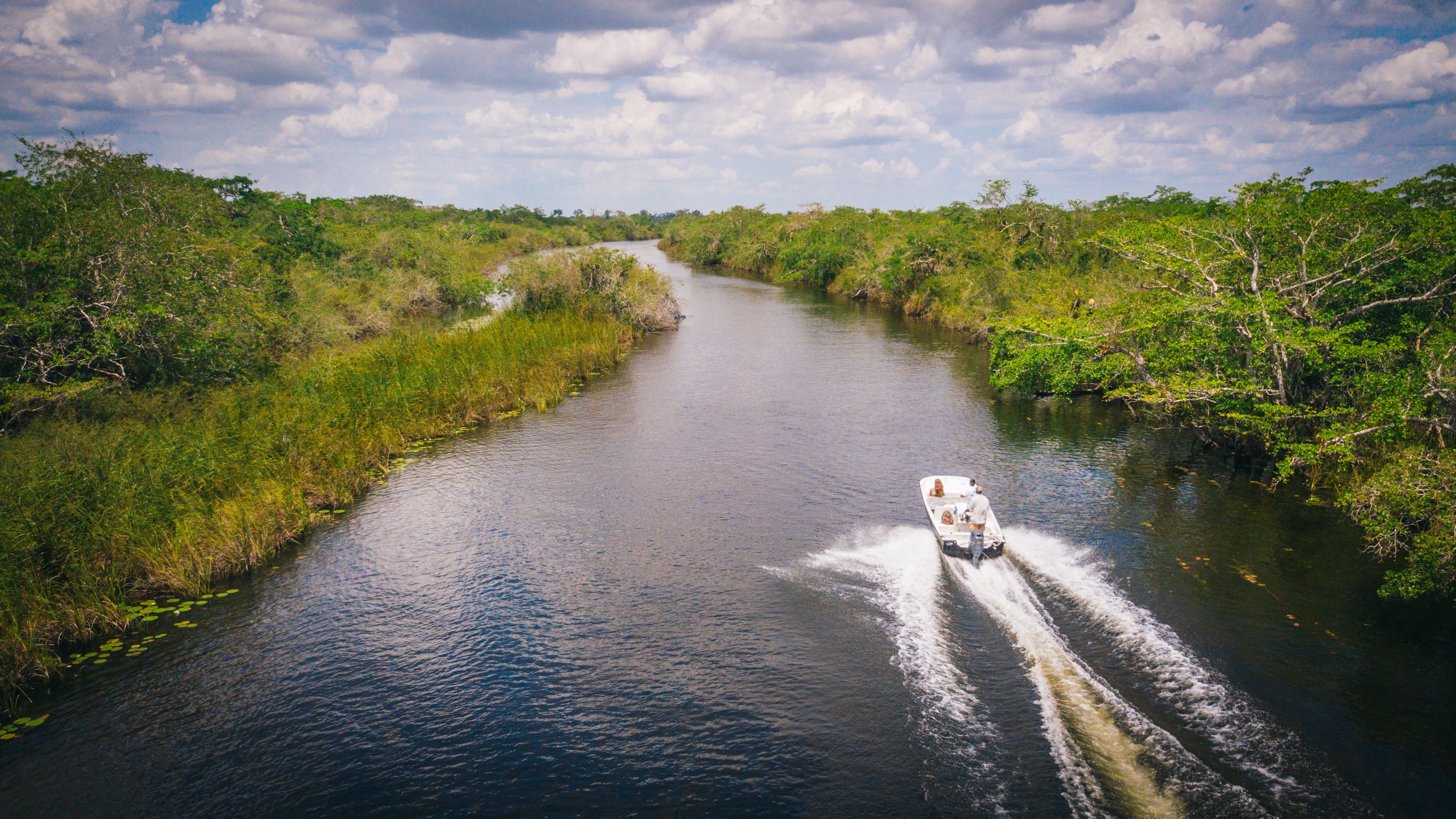
Toledo is also home to two little-visited Mayan archaeological sites: Lubaantun, famous for its dry stone construction without mortar, and Nim Li Punit, known for its carved stelae, one of which measures over 9 meters. An hour from Punta Gorda, Rio Blanco Falls and the Moho River offer freshwater swimming, and Payne's Creek National Park protects coastal lagoons where manatees and Morelet's crocodiles can be spotted. Further inland, the Bladen Reserve and the southern Maya Mountains remain an almost uninhabited rainforest, accessible only with a guide.
The cuisine of the south reflects this cultural blend. In Placencia and Hopkins (technically at the boundary of Stann Creek District), you can eat hudut, a plantain purée accompanied by fish simmered in coconut milk. In Mayan villages, red recado chicken broth and corn tortillas cooked on a comal remain the staples. The south is also Belize's cacao production center, celebrated each year in late May at Punta Gorda's Chocolate Festival, three days featuring producers, cooks and Garifuna musicians.
In terms of climate, the region is the wettest in the country: Toledo receives between 3,500 and 4,000 mm of rain per year, compared to 1,500 mm in Corozal to the north. This humidity explains the forest's density and the ochre color of rivers during the rainy season, but it also heavily shapes your travel calendar.
Must-See
Mayan cacao in San Pedro Columbia. Visit to a Kekchi agroforestry farm, from pod to chocolate tablet: opening the fruits, tasting the white pulp, grinding roasted beans on a metate. Two to three hours with a family of producers.
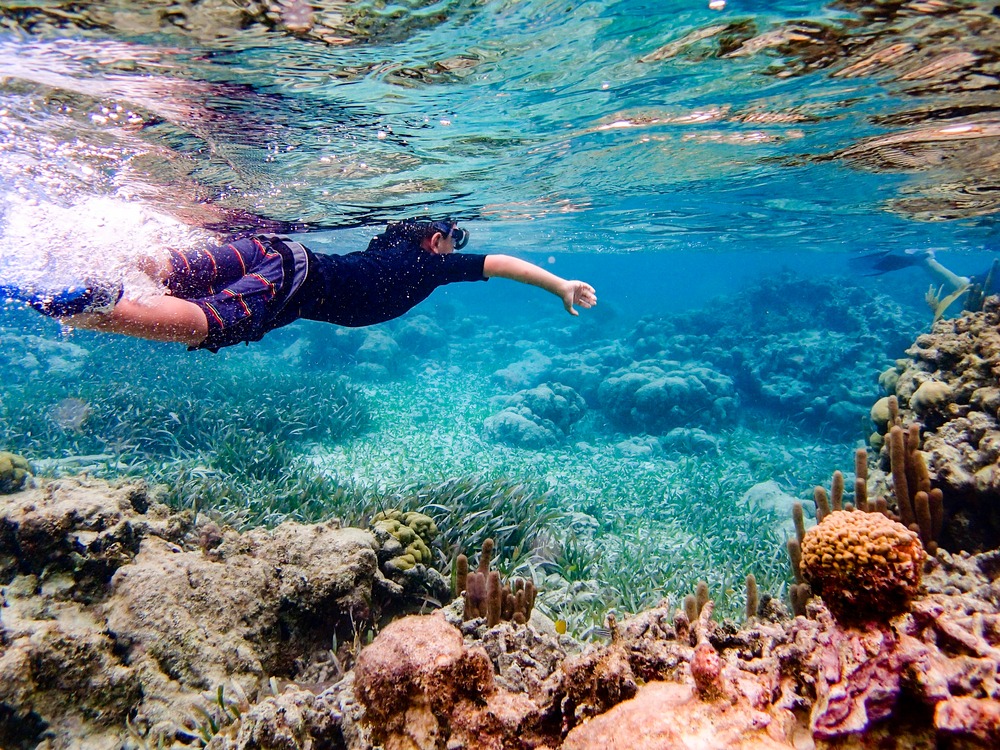
Southern cayes from Placencia. Day trip to Ranguana or Silk Cayes, 45 minutes by boat. Snorkeling on the reef 200 meters from the beach, grilled lunch on the island, return late afternoon with a regular chance of spotting dolphins in the channel.
Stelae of Nim Li Punit. Late Classic Mayan site perched on a ridge, whose Stela 14 remains one of the largest in the Mayan world. Low visitor numbers, often fewer than ten per day, and a well-designed site museum.
Garifuna hudut in Hopkins. Garifuna village 1.5 hours from Placencia, where you learn to pound plantain with a wooden pestle (the hana) before cooking fish in coconut milk. Punta drum evening possible with local groups.
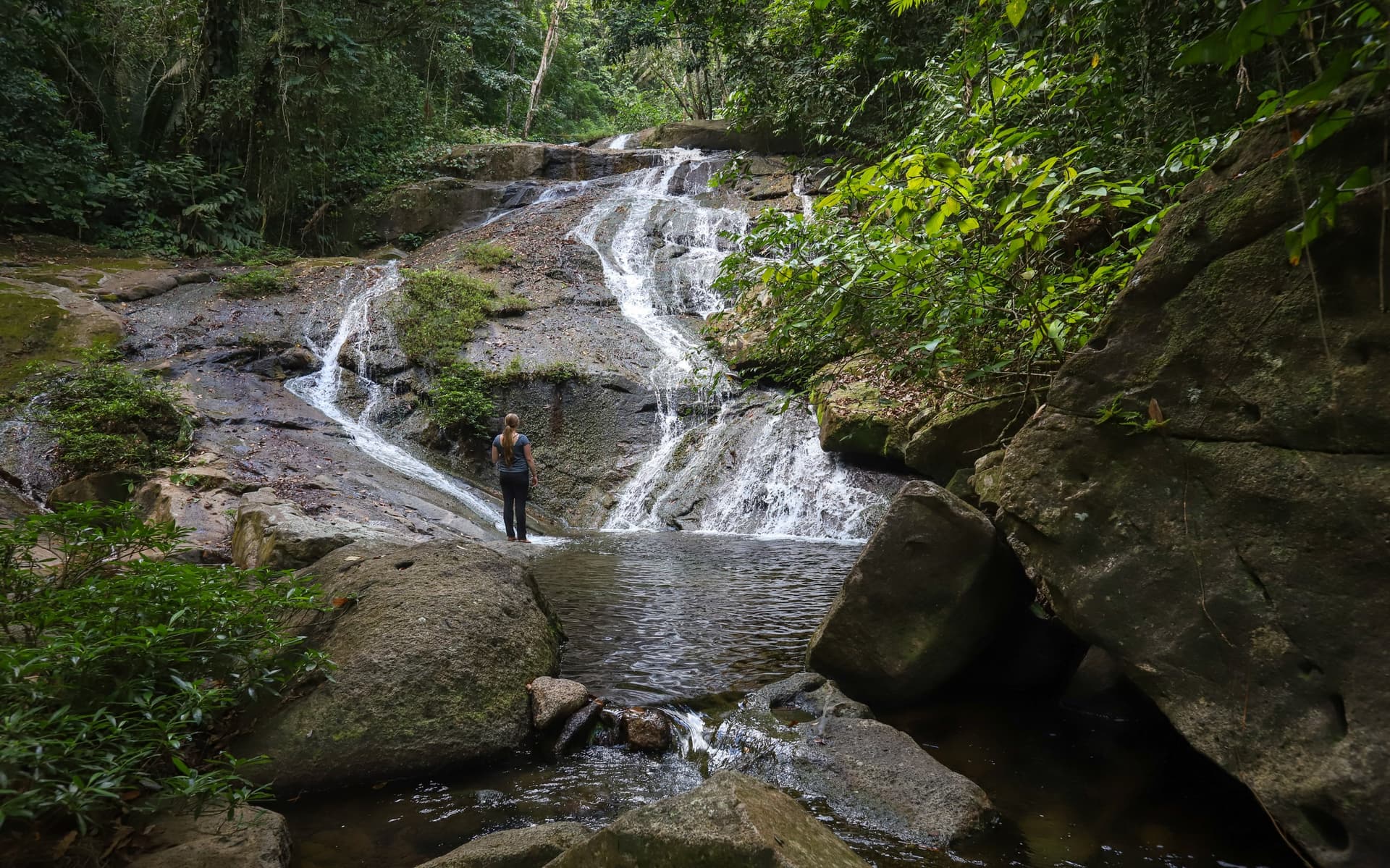
Moho River and Rio Blanco Falls. One hour inland from Punta Gorda. Swimming in a deep pool at the base of a 20-foot waterfall, on the ancestral territory of several Mopan villages that co-manage the reserve.
When to Go
The dry season, or rather the least humid here, runs from February to May. Temperatures range from 24°C at night to 30-32°C during the day, sea water hovers around 27°C and boat trips to the southern cayes are reliable. March and April are the most stable months for combining Placencia, Toledo and the cayes. June marks the start of the rainy season, which intensifies from September to November: rain often falls in late afternoon as tropical showers, but can also settle for several days at a time over Toledo, which receives up to 600 mm in October alone. Laterite tracks to Mayan villages become difficult, and some inland excursions are suspended.
The hurricane season runs from June to November, with a peak in September-October. December and January are passable but marked by "northers", cold wind surges from Mexico that make the sea rough and can cancel trips to the cayes for two to three days straight. For the south, our team clearly recommends the February to May window.
Practical Tips
To visit the south seriously, plan at least 5 nights: 3 in Placencia (peninsula, cayes trip, hudut in Hopkins) and 2 in Punta Gorda or a Toledo lodge (cacao, Mayan sites, river). A full week allows you to add a day in Payne's Creek Reserve or an overnight in a Mayan village homestay, which we organize with two partner families in San Antonio. Access is via domestic flight with Tropic Air or Maya Island Air from Belize City to Placencia (30 minutes) or Punta Gorda (1 hour), or by road via the Southern Highway, paved and comfortable—allow 4 hours from Belize City to Placencia and 5.5 hours to Punta Gorda.
The south combines well with Cayo and the west, separated by 4 to 5 hours' drive via the Hummingbird Highway, one of the country's most scenic routes. The classic itinerary we offer is Cayo (jungle, Mayan sites, caves) then south (beach and cacao), with possible extension by boat to the atolls and Blue Hole from Placencia, faster than from Ambergris. Comfort is decent without being luxurious: Placencia has about ten small beach lodges of good quality, while Toledo remains more rustic, with a few jungle lodges and simple homestays. The region suits contemplatives, families with teenagers interested in nature and culture, and travelers who want to end a Belize circuit with a truly tranquil beach rather than the hustle of Ambergris Caye.