Toledo District
Toledo District, in southern Belize, brings together little-visited Mayan ruins, Q'eqchi' indigenous villages and isolated coral cayes. A remote region that preserves culture and nature.
Toledo District occupies the far south of Belize, bordered by Guatemala to the west and the Caribbean Sea to the east. It is the least visited region of the country, dominated by tropical forest, Q'eqchi' and Mopan Mayan villages, and a coastline scattered with isolated cayes. Punta Gorda, the district's main town, serves as a base for exploring ruins, caves and active indigenous communities.
Practical information at a glance
- Access: buses from Belize City or Dangriga to Punta Gorda; domestic flights from Belize City (Maya Island Air, Tropic Air).
- Recommended duration: 3 to 5 days to combine ruins, villages and cayes.
- What to pack: lightweight clothing, light rain jacket — the region is the wettest in Belize.
- Dry season: February to May, the most practical period for forest trails.
What to see
Toledo concentrates several little-visited Mayan sites: Lubaantun, known for its pyramids built without mortar, and Nim Li Punit, which houses an exceptional collection of carved stelae. The villages of San Pedro Columbia and San José offer opportunities to meet Q'eqchi' Mayan families in their daily lives. Offshore, the cayes of Punta Gorda Bay offer diving and fishing in largely unexploited waters.
History and context
Toledo was the heart of dense Mayan settlement between 250 and 900 CE. After the Classic collapse, Q'eqchi' and Mopan populations remained in the region, resisting Spanish and later British colonization. The district remained remote for a long time, which preserved both its forests and cultural traditions. Garifuna families also settled on the coast, adding a distinct cultural layer.
Highlights of a visit
Lubaantun
This 8th-century Mayan site stands out for its mortarless architecture: precisely cut limestone blocks fit together through gravity alone. Five ceremonial plazas and eleven main structures are accessible. The site is surrounded by dense forest, with remarkable bird life.
Nim Li Punit
Nim Li Punit means "great hat" in Q'eqchi', referring to the headdress of a carved figure. The site preserves more than twenty-five stelae, some among the tallest in the Mayan world. A small museum on-site displays the most fragile pieces.
Mayan villages and community tourism
The Toledo Ecotourism Association network offers homestays in several villages. Visitors participate in tortilla-making, cacao harvesting and traditional ceremonies. This is one of the most authentic cultural immersion experiences in Belize.
Southern cayes
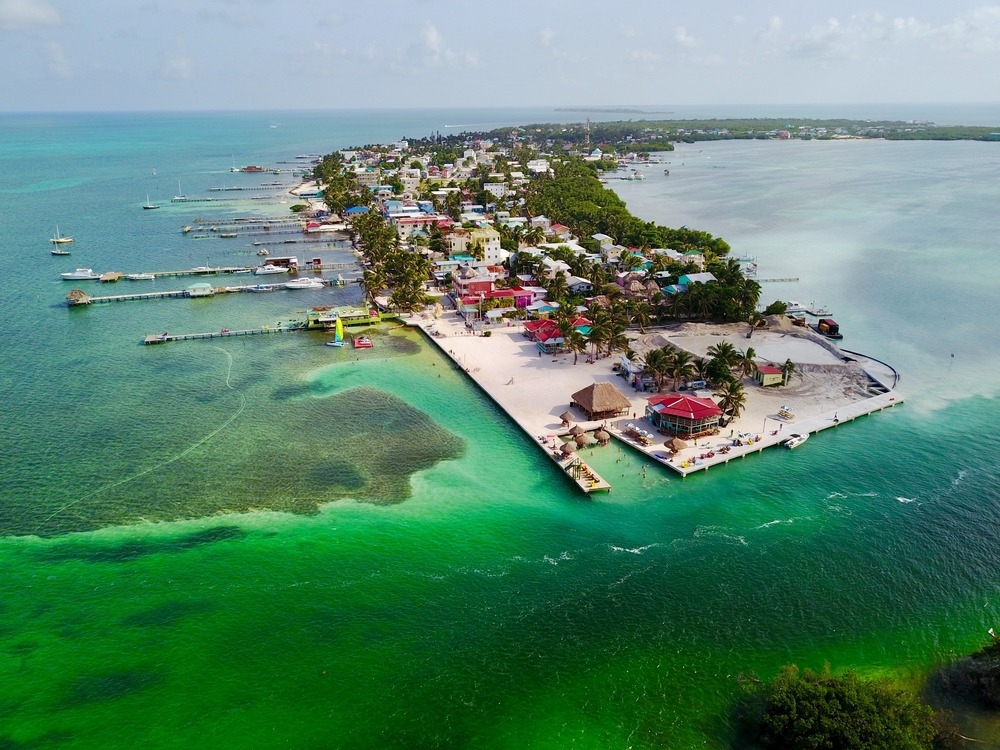
The cayes around Punta Gorda — including Lime Caye and Hunting Caye — are part of the Mesoamerican reef system. The seabed is less visited than Ambergris Caye, with often excellent visibility and healthier coral.
Photography tips
At Lubaantun and Nim Li Punit, morning light filters through the canopy and illuminates the stones without glare. Bring a polarizing filter for underwater photography in the cayes. In villages, always ask permission before photographing people or ceremonies.
Location and access
Punta Gorda is located approximately 400 km south of Belize City via the Southern Highway. The road is paved to Punta Gorda, but trails to villages and Mayan sites require a 4x4 vehicle, especially during the rainy season. Water taxis connect Punta Gorda to Puerto Barrios (Guatemala) and Livingston, offering a useful regional connection.
Nearby
- Lubaantun — Mayan site with mortarless architecture, about an hour from Punta Gorda.
- Nim Li Punit — collection of Classic Mayan stelae, accessible from the Southern Highway.
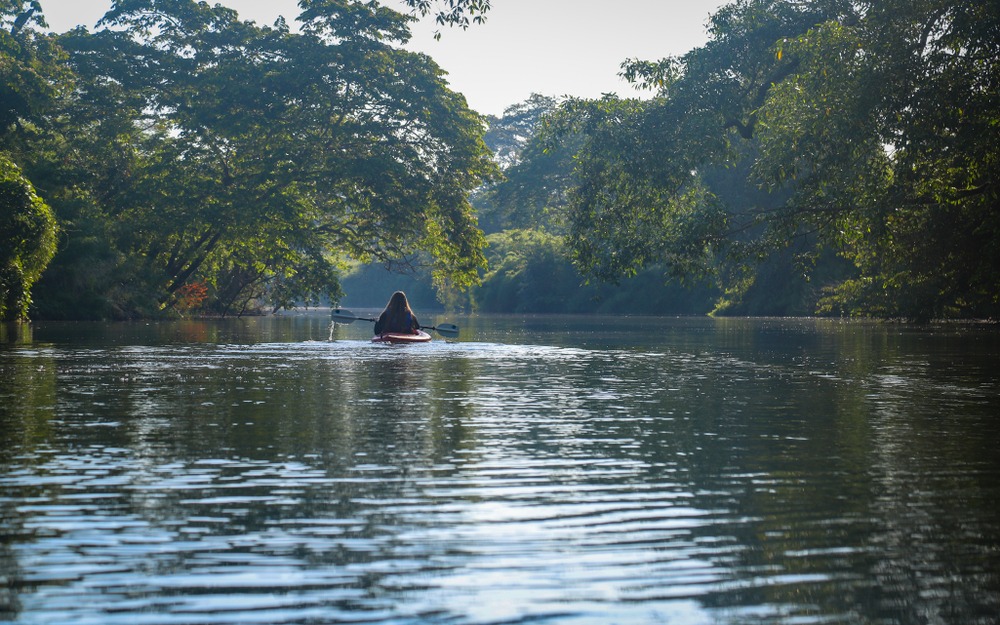
- Blue Creek Cave — navigable underground river by kayak or swimming, surrounded by primary forest.
- Lime Caye — small coral island ideal for snorkeling and camping.
Frequently asked questions
The dry season, from February to May, offers the most passable trails and clearest skies. Toledo is the wettest region in Belize; outside this window, expect muddy roads and sites that may sometimes be inaccessible.
A local guide is strongly recommended, particularly for homestays organized through the Toledo Ecotourism Association. It facilitates communication, respects community protocols and greatly enhances the visit.
Yes. A classic itinerary descends from Belize City via Dangriga and the southern cayes, then ascends via the Western Highway to San Ignacio and the Actun Tunichil Muknal caves. Allow a minimum of ten days for this circuit.
Water taxis and local operators offer transfers to Lime Caye, Hunting Caye and other islands. The crossing typically takes between thirty minutes and an hour depending on the destination.
Partly. Punta Gorda and main sites are accessible without an agency. For remote villages, caves and lesser-known cayes, local organization avoids logistical surprises, especially during the rainy season.
Want to discover this destination?
Our local advisors design your tailor-made trip.