Community Baboon Sanctuary
Community Baboon Sanctuary
Located 50 km from Belize City, this community sanctuary protects black howler monkeys across 30 km² within seven partner Creole villages.
The Community Baboon Sanctuary is a protected area of approximately 30 km² situated 50 km northwest of Belize City, along the banks of the Belize River. This community ecotourism project unites seven Creole villages around the protection of the black howler monkey, locally called baboon, an endangered species whose populations have been rebuilt through the cooperation of local landowners.
Why visit the Community Baboon Sanctuary
The sanctuary combines three interests rarely brought together on a single site: close observation of an emblematic primate species, encounters with Creole communities in the Belize River basin, and a participatory conservation model cited as an example internationally. The site sets itself apart from most conventional reserves through its operation: it is not park rangers who protect the forests, but the villagers themselves, who voluntarily commit to preserving the tree corridors on which the monkeys depend.
Its accessibility from the economic capital also makes it an easy day trip to incorporate into a Belize circuit, complementing the Caribbean coast or the inland Mayan sites.
History of the sanctuary
The Community Baboon Sanctuary was founded on February 23, 1985 at the initiative of primatologist Dr. Robert Horwich and a landowner from Bermudian Landing. The founding idea was simple: convince farmers to leave strips of intact forest along their plots to allow howler monkeys to move between forested areas.
Between 1992 and 1994, a translocation program allowed monkeys to be reintroduced to the Cockscomb Basin, where the species had been decimated. By 2013, more than 200 properties were involved in the conservation program. In 2017, the Women's Conservation Group, which manages much of the tourism activities, received the United Nations Equator Prize for combining improvements in local livelihoods with wildlife protection.
The project also benefits from regular financial support from the World Wildlife Fund, which funds reception facilities, staff training, and workshops devoted to craftsmanship, tourism management, and reforestation techniques.
What to see and do
Observing black howler monkeys
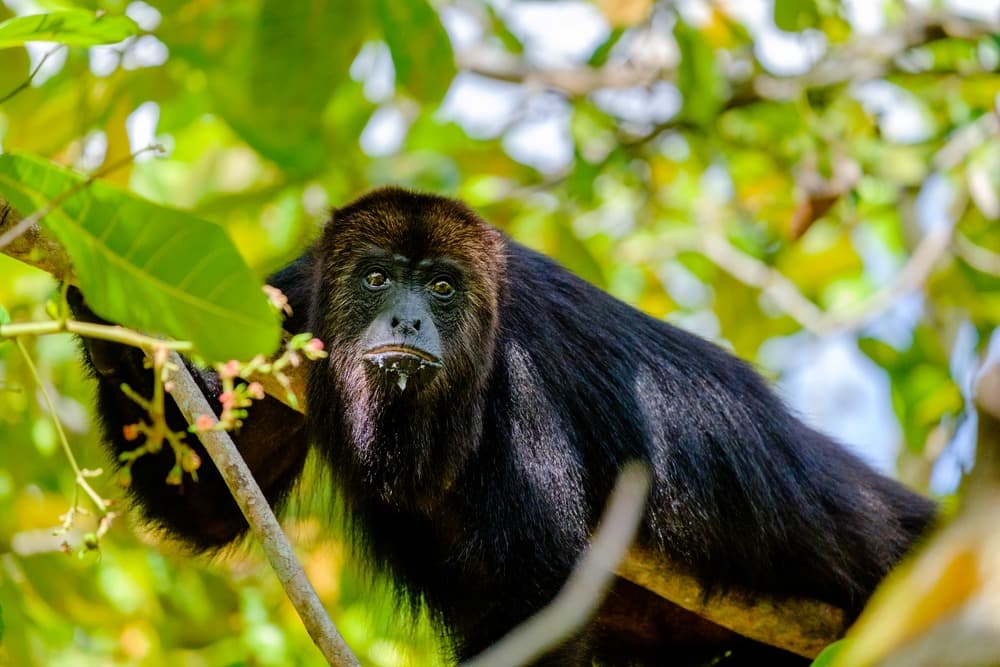
The black howler monkey (Alouatta pigra) is one of the largest primates in Latin America: it reaches nearly one meter standing upright and weighs 3 to 9 kg. Its guttural cry, produced through an enlarged hyoid bone, carries up to 5 km across the canopy. The species lives exclusively in tropical forests of the Americas, from eastern Bolivia to northern Argentina, and remains classified as threatened. Village guides know where the troops accustomed to human presence are located and allow observation from just a few meters away.
Museums and villages
- The Bermudian Landing Natural History Museum, which also serves as a tourist office and starting point for guided tours.
- The Creole Heritage Museum at St Paul's Bank, devoted to the history of Afro-descendant communities in the valley.
- A walk through the seven partner villages: Bermudian Landing, Isabella Bank, Willows Bank, Flowers Bank, St Paul's Bank/Big Falls, Double Head Cabbage, and Scotland Halfmoon Village. These Creole communities traditionally live from market gardening, cattle and pig farming, and increasingly from ecotourism.
Outdoor activities
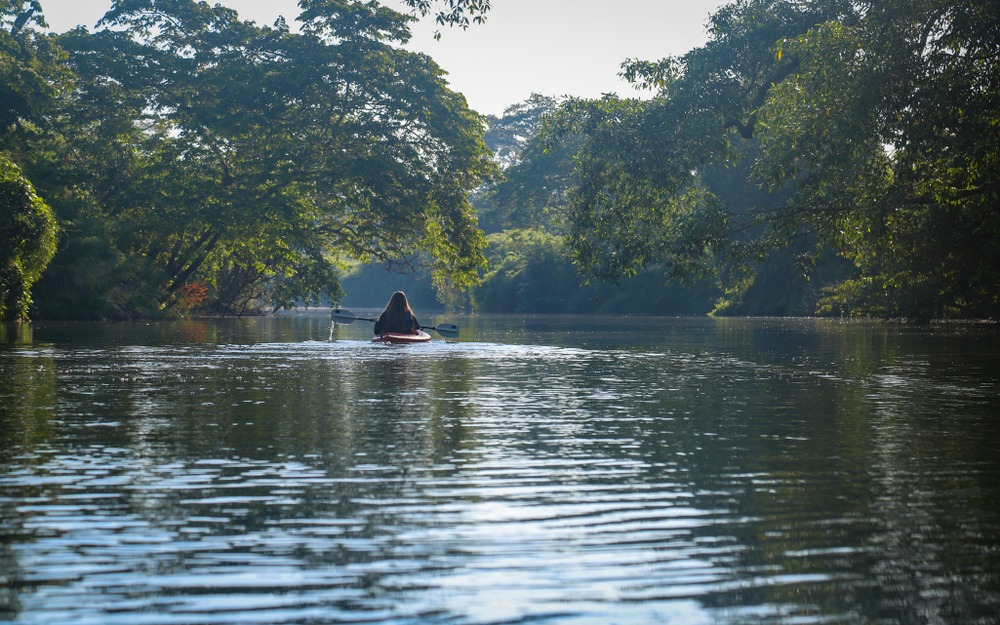
- Canoeing on the Belize River
- Horseback riding through riverside farms
- Bird watching (more than 200 species recorded)
- Guided hikes with presentations on medicinal plants used by the Maya
Practical information
The standard guided tour lasts approximately 1 to 1.5 hours and systematically includes monkey observation and a presentation of local flora. Rates remain modest and are returned directly to the communities. To extend the experience, several families offer accommodation in thatched-roof cabins, simple yet comfortable, which allow you to hear the monkeys at daybreak. Advance booking through the Bermudian Landing reception center is recommended during high season.
When to visit
The sanctuary is open year-round. The dry season, from late December to early May, offers the best observation conditions: walkable trails, clear skies, and monkeys more visible in less dense vegetation. The wet season, from June to November, makes the jungle more lush and birds more active, but showers can complicate canoe outings. Early morning hours (before 9 a.m.) and late afternoon are most favorable for the calls and movements of the troops.
How to get there
From Belize City, allow approximately 1 hour by car by rental vehicle heading northwest toward Bermudian Landing. Shuttles and organized excursions also depart from the city and major coastal hotels. No direct public transport reliably serves the sanctuary.
Nearby
Several sites integrate easily into the same itinerary:
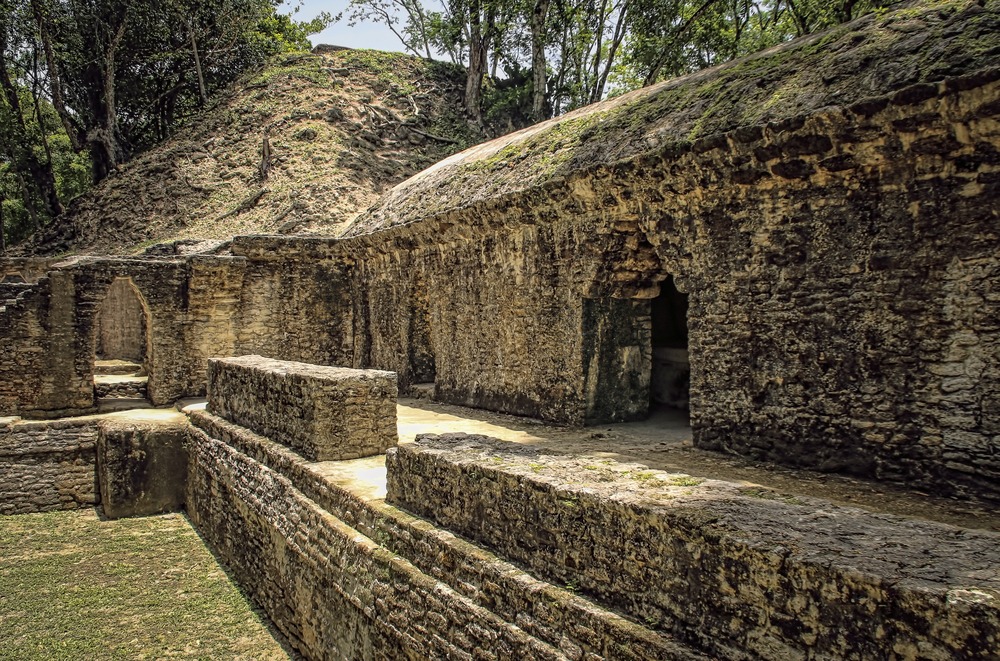
- The Altun Ha Mayan ruins, approximately one hour away, one of the country's most accessible archaeological sites.
- The Crooked Tree Wildlife Sanctuary, a wetland area renowned for migratory birds.
- The Spanish Creek reserve, another neighboring community conservation project.
- To continue into the interior, Mountain Pine Ridge Forest Reserve or the Caracol Mayan ruins.
Frequently asked questions
Frequently asked questions
In Belizean Creole, the word baboon actually refers to the black howler monkey. It is not the African baboon, which does not exist on the American continent. The sanctuary's name simply adopts the local designation.
A standard guided tour lasts 1 to 1.5 hours. Adding canoeing, a horseback ride, and the museums, plan for a half-day to a full day.
Yes, several families from partner villages offer accommodation in thatched-roof cabins. Booking is done through the Bermudian Landing reception center.
Guides know the territories of troops accustomed to human presence and sightings are nearly guaranteed. Calls are heard daily.
Yes. The trails are short and flat, and close-up monkey observation is particularly enjoyed by children. Canoeing and horseback riding adapt to all ages.
Plan your trip
The Community Baboon Sanctuary fits naturally into an itinerary combining the Caribbean coast, Mayan sites, and interior reserves. To build a customized itinerary, consult our Belize travel suggestions.
Interested in this visit?
We can include it in your personalised itinerary.