Agua Caliente Nature Reserve
Agua Caliente Nature Reserve
Wetland sanctuary in southern Belize, near Punta Gorda: three lagoons, hot spring, migratory birds and Mayan ceremonial caves.
The Agua Caliente Nature Reserve protects a complex of wetlands in southern Belize, in the Toledo District. Its name comes from three freshwater lagoons and a hot spring that feed the site, connected to one another by a network of streams. Designated a sanctuary in 1998, it spans more than 24 km² between the Rio Grande river to the east and the Moho river to the south, and serves as a refuge for dense wildlife, particularly migratory birds from North America.
Why visit Agua Caliente Reserve
Agua Caliente remains one of Belize's least-visited sanctuaries, making it an ideal site for travellers seeking a quiet naturalist experience, far from the well-trodden circuits of the north. Three main reasons motivate a visit:
- Birdwatching: the lagoons attract a significant population of migratory birds, observable from the plains wetlands.
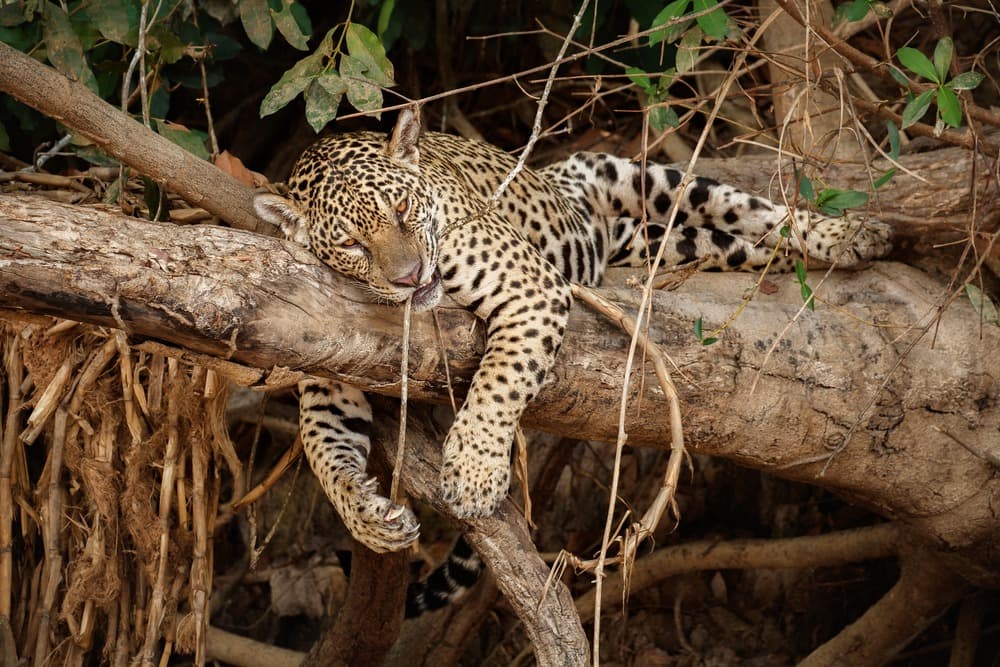
- Protected wildlife: the surrounding forest is home to endangered species, including the black howler monkey and the jaguar (Panthera onca).
- Cultural encounter: access to the park passes through the K'ekchi Mayan village of Laguna, allowing you to combine nature with community immersion.
What to see and do
Observe the birds
From the plains wetlands and lagoon edges, you can observe wood storks, sandpipers, black-bellied whistling ducks and jabirus, among other aquatic species. The density of migratory birds depends heavily on the season: the most favourable window falls between December and February.
Hike in the sanctuary
The trails through the heart of the reserve, which lead to the lagoons and central wetland zones, are only passable in the dry season (roughly February to May); for the rest of the year, the terrain becomes impassable. Trails laid out on the hills behind Laguna village remain accessible for longer and offer views over the lagoons.
Visit the caves
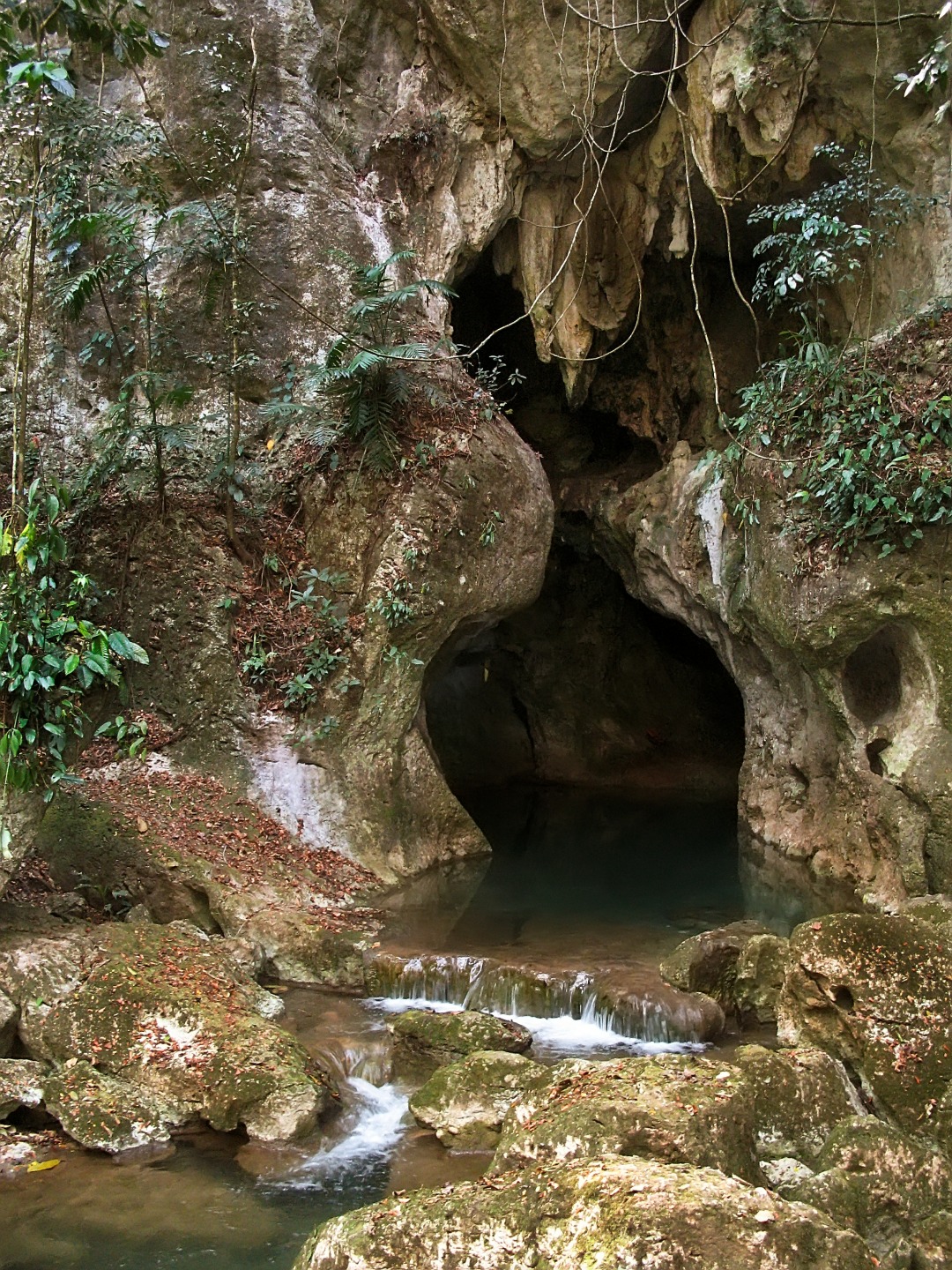
Behind Laguna village, several limestone caves can be visited with a local guide. Two are particularly noteworthy: a ceremonial cave decorated with symbolic carvings attributed to the site's Mayan inhabitants, and a second cavity housing a bat colony. Guidance by a local guide is required for safety and orientation.
Lagoon fishing
The lagoons and streams are home to several freshwater fish species. Line fishing is practised in an artisanal manner and partly explains the site's rich avian life.
When to go
Two considerations overlap:
- For birdwatching: December to February, when North American migrants are present.
- For hiking in the heart of the sanctuary: dry season, that is February to May. During the rainy season (June to November), only the hills behind Laguna remain passable.
The ideal time to combine both is therefore late January–February, at the transition between the two periods.
Practical information
- Park entry: single access point via Laguna village. No other official access is available.
- Guide: recommended, especially for caves and wet trails. Community guides are based in Laguna.
- Equipment: closed hiking shoes, long-sleeved clothing (mosquitoes), water, binoculars for birdwatching, headlamp for caves.
- Accommodation: Laguna village offers basic community lodging; most visitors stay in Punta Gorda and visit as a day trip.
- Fees: entry and guide services are paid on site at moderate rates; it's best to bring cash (BZD).
How to get there
The starting point is Punta Gorda, approximately 16 km to the east. Three options:
- By car: from Punta Gorda, head west on the road for about fifteen kilometres, turn left onto a dirt track towards Laguna, pass the Machaca forest station, then ask for sanctuary access at the village entrance. A vehicle with reasonable ground clearance is advisable during the wet season.
- By bus: a local bus connects Punta Gorda to Laguna several times a week (usually Monday, Wednesday, Friday and Saturday), with an early morning departure and a return around midday. Schedules vary; check locally the day before.
- By private taxi: the most flexible option if you don't have a vehicle.
To see nearby
The Toledo region and central Belize are home to several complementary sites:
- Nim Li Punit: Mayan archaeological site renowned for its carved stelae, nearby.
- Caracol Mayan Ruins: major Mayan city hidden in the jungle of Cayo District.
- Mountain Pine Ridge Forest Reserve: highland pinewoods, waterfalls and caves.
- Punta Gorda: logistical base for exploring southern Belize.
Frequently asked questions
Frequently asked questions
Plan your trip
Agua Caliente Reserve fits naturally into an itinerary through southern Belize, between Mayan sites, K'ekchi communities and wetland areas. To build a tailor-made journey, consult our trips to Belize.
Interested in this visit?
We can include it in your personalised itinerary.