Actun Tunichil Muknal
Actun Tunichil Muknal
A sacred Maya cave near San Ignacio, Actun Tunichil Muknal is home to the Crystal Maiden and 14 skeletons dating from 700-900 AD. Guided tour required.
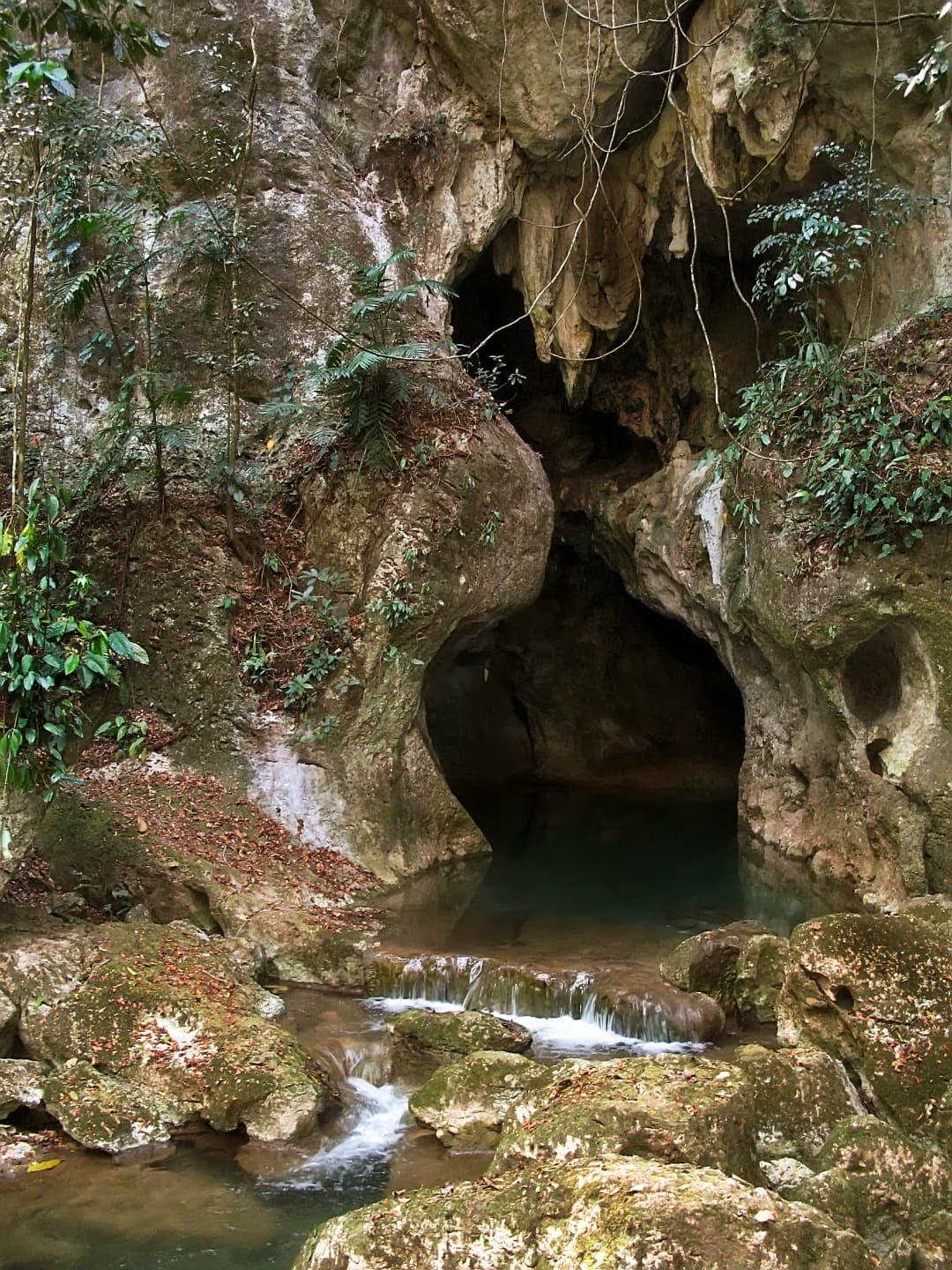
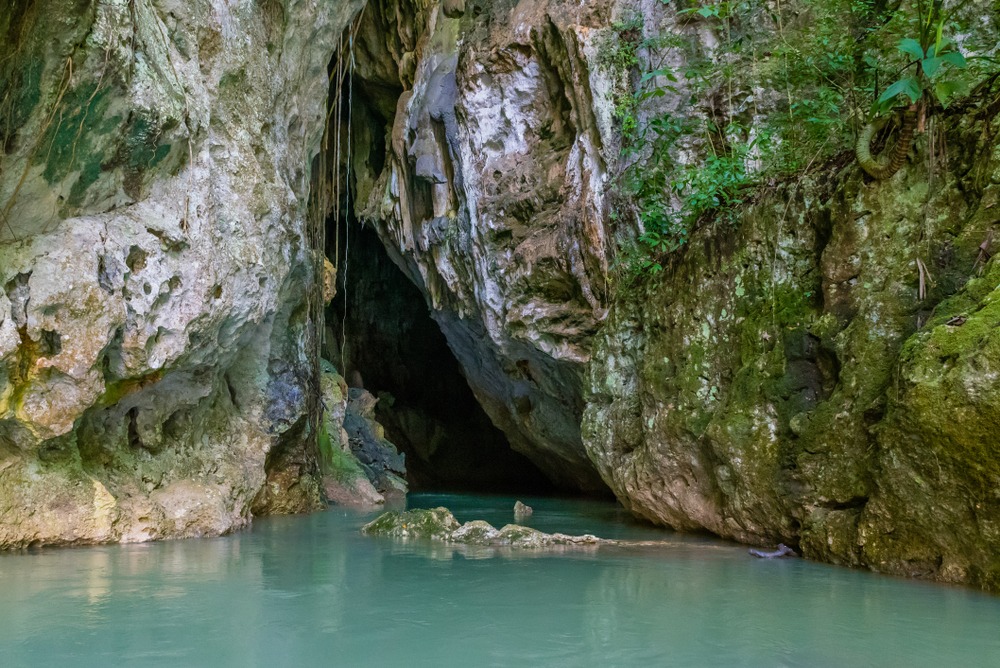
Located in the Cayo district, near San Ignacio, the cave Actun Tunichil Muknal — known locally as ATM or Xibalba — ranks among the most remarkable Maya archaeological sites in Central America. Its name literally means "cave of the Crystal Sepulchre". The visit combines cave diving, jungle hiking, and exploration of a funerary sanctuary over 1,000 years old.
Why visit Actun Tunichil Muknal
Rediscovered in 1989, the cave preserves in situ the remnants of a Maya place of worship: ceremonial pottery, obsidian blades, altars and human remains left untouched on the limestone floor. National Geographic Society ranked it among the world's first sacred caves in an editorial listing that contributed to its prominence. Visits are made in small groups, accompanied by a certified guide, in total darkness and with strict supervision, making it both an archaeological and sporting experience.
History and ritual significance
For the Maya, caves represented the entrance to Xibalba, the underworld. Actun Tunichil Muknal served as a sanctuary where priests came to appease the deities, particularly Chac, the rain god, during prolonged droughts. Archaeological research has identified the skeletal remains of 14 individuals, dated between 700 and 900 AD, a period corresponding to the gradual collapse of Maya cities in the Lowlands. The youngest victim was believed to be about a year old. After the Maya abandoned the site, the cave remained sealed by the jungle for several centuries before its rediscovery in the late twentieth century.
What you see in the cave
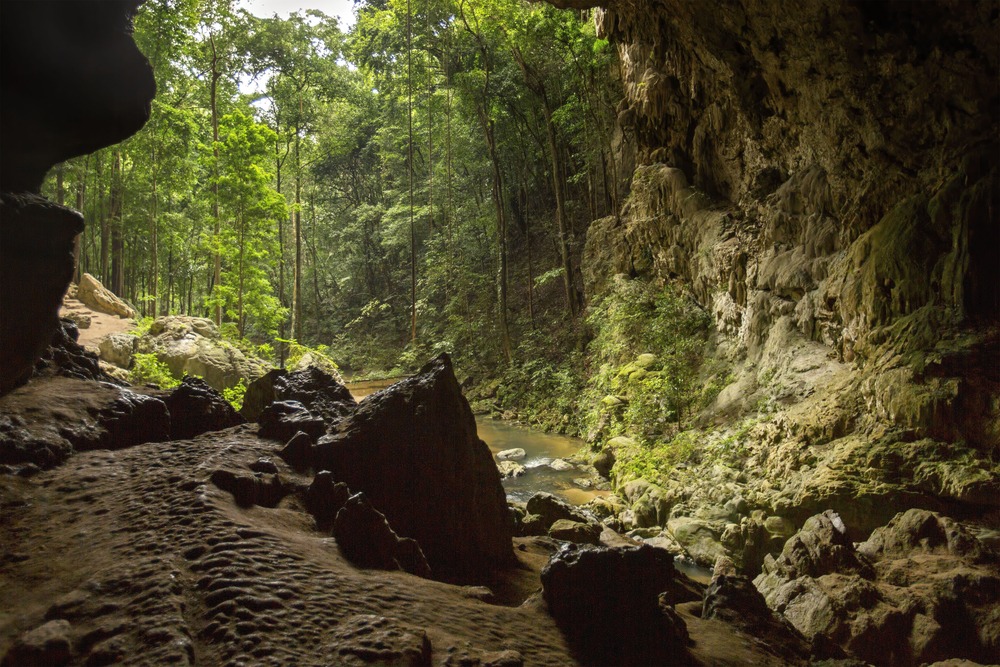
The network extends nearly 5 km, traversed by an underground river of approximately 3.2 km. The visit covers only part of the system, but it is sufficient to cross several spectacular chambers.
The Cathedral
The main and dry chamber located at height, the Cathedral concentrates most of the archaeological remains: ceremonial pottery, sandstone fragments, obsidian blades and human remains left in place. This is where rituals and sacrifices took place.
The Crystal Maiden
The masterpiece of the site, the skeleton of a teenage girl around 18 years old has rested on the floor for over a millennium. Over time, her bones calcified and then crystallized, giving them a characteristic translucent appearance that gave the "Crystal Maiden" her name.
Underground fauna
The cave is home to a small community of animals adapted to darkness:
- bats hanging from the ceiling;
- whip scorpions without tails (harmless);
- predatory spiders;
- catfish and otters in the river sections.
Practical information
- Guide mandatory: access is reserved for approved operators, the number of daily visitors is capped.
- Duration: allow approximately 3 hours inside the cave, with nearly 2 hours to reach the Cathedral, plus the approach walk and return journey.
- Physical requirements: minimum age 12 years, minimum height 1 m, swimming ability required. Good physical condition necessary (swimming in cold water, rock climbing, tight passages).
- Cameras and phones prohibited in the cave since a device that fell damaged a skull. Shoes are removed before entering the Cathedral to protect the remains on the floor.
- Equipment: closed shoes that support water, helmet and headlamp (usually provided by the operator), quick-drying clothing, waterproof bag for belongings left at the entrance.
- Cost: entry and guided tour to budget in a moderate to high range depending on the operator (transport and lunch often included).
When to go
The cave is only accessible during the dry season, roughly from December to May. April is often considered the ideal month: low water level, jungle still verdant, manageable temperatures. Between late June and August, rains raise the underground river level and the site is regularly closed for safety reasons. In the event of heavy punctual rainfall, access may be suspended without notice.
How to get there
The usual starting point is San Ignacio, about an hour's drive from the reserve parking lot. The cave is part of the Tapir Mountain nature reserve. From the parking area, a walk of approximately 45 minutes through tropical forest leads to the entrance, with three crossings of the Mopan River at a ford. From Belize City, allow approximately 2.5 hours of driving to reach San Ignacio. Most excursions depart early in the morning from San Ignacio or lodges in the Cayo district, with transport included.
What to see nearby
The Cayo district concentrates several complementary sites:
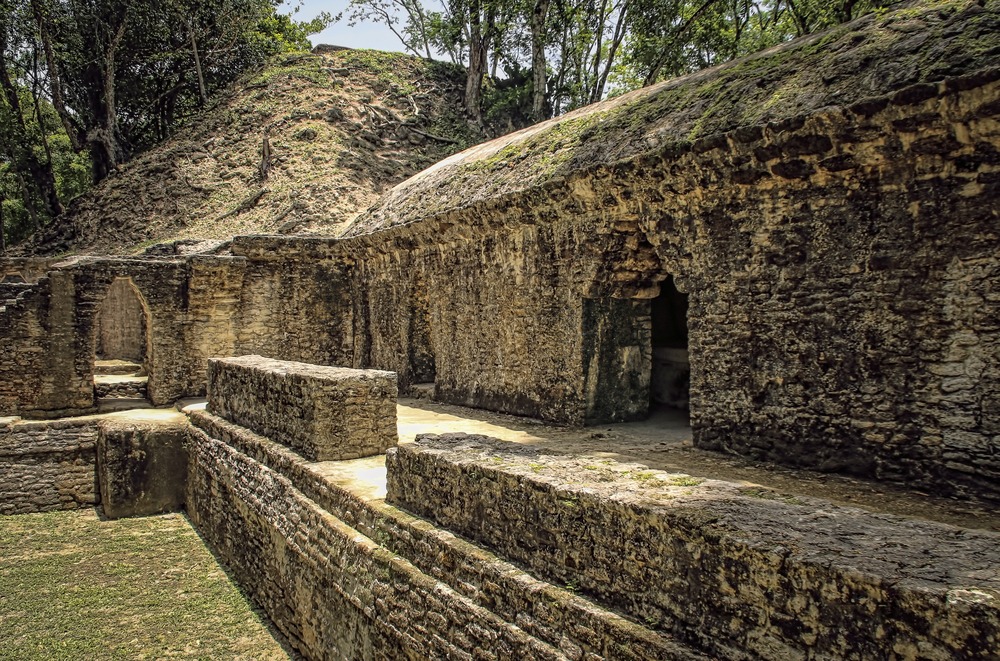
- the Maya ruins of Caracol, an ancient monumental city in the heart of the jungle;
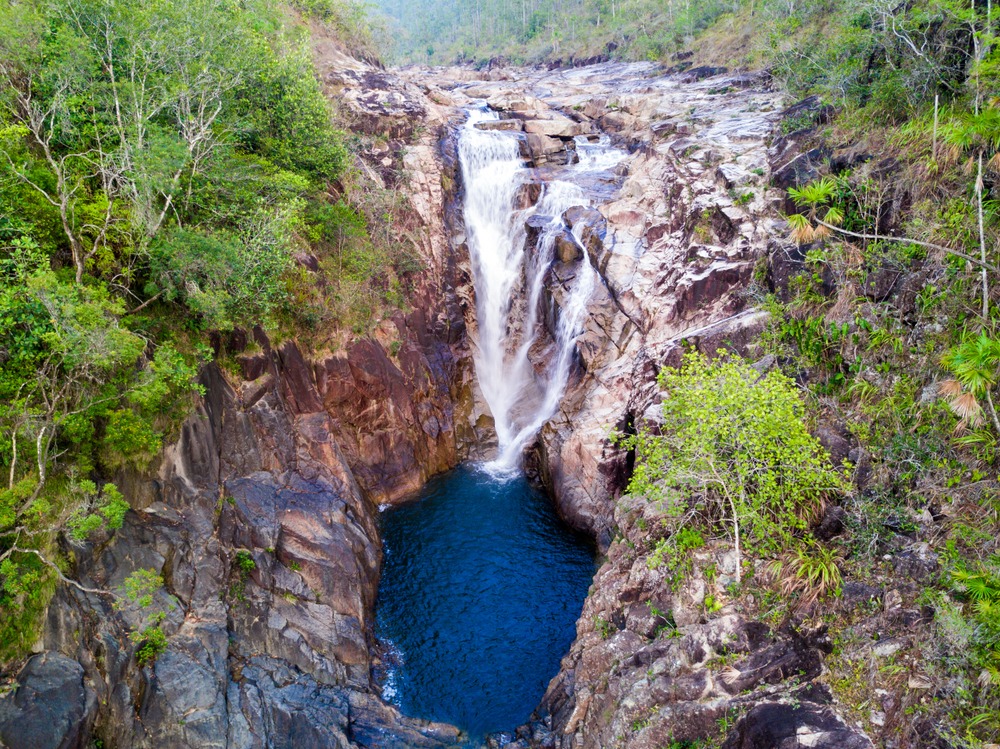
- Big Rock Falls, a waterfall and swimming pool in the Mountain Pine Ridge;
- the Agua Caliente nature reserve, a wetland rich in birdlife.
Frequently asked questions
Frequently asked questions
Planning your trip
Actun Tunichil Muknal fits naturally into a circuit in the Cayo district, complementing nearby Maya sites and nature reserves. To build your itinerary in Belize, consult our custom trips to Belize.
Nearby
Interested in this visit?
We can include it in your personalised itinerary.