Hol Chan Marine Reserve
Hol Chan Marine Reserve
Belize's first marine protected area, Hol Chan brings together groupers, sea turtles, nurse sharks and rays within an intact barrier reef. Accessible by boat from San Pedro, Ambergris Caye.
Hol Chan Marine Reserve lies south of Ambergris Caye, just a few kilometres from San Pedro. Established in 1987, it is Belize's first marine protected area. Its name means "little channel" in Maya — a natural break in the barrier reef that channels currents and concentrates exceptional marine life. Divers and snorkellers come here to observe sharks, rays, sea turtles and groupers within an intact reef ecosystem.
Quick facts
- Entrance fee: paid — entrance to the reserve is required (to be paid through authorised operators or at the reserve office in San Pedro).
- Access: by boat only from San Pedro; organised excursions are the standard option.
- Recommended duration: half-day (snorkelling or diving + Shark Ray Alley visit).
- Rules: no touching corals, feeding animals or fishing. Fins required for snorkelling.
- Accessibility: limited — boat access only, entry into the water required.
What you'll see
The reserve covers four distinct zones: the coral reef, seagrass beds, mangroves and coastal waters. The main channel — Hol Chan itself — concentrates giant groupers, barracudas, stingrays and green sea turtles. The seagrass beds are home to manatees and seahorses. The mangroves serve as a nursery for numerous juvenile species.
History and context
Hol Chan was established in 1987 following years of overfishing that threatened the Mesoamerican reef — the world's second-longest barrier reef. The reserve quickly proved its effectiveness: fish populations increased measurably in the years following its creation. Today it is managed by the Belize Fisheries Department and serves as a regional model for marine conservation.
Highlights of your visit
Hol Chan channel
The break in the reef creates a current that attracts a remarkable density of marine life. Nassau groupers, snappers and schools of blue surgeonfish move just metres from snorkellers. Visibility is usually excellent.
Shark Ray Alley
This site adjacent to the reserve is famous for its nurse sharks and southern stingrays, accustomed to human presence for decades. Rays glide literally between visitors' legs. It's an intense experience, even for non-divers.
Seagrass beds and mangroves
Less visually spectacular, these zones are ecologically essential. Experienced local guides know where to spot manatees, seahorses and octopuses camouflaged in the seagrass.
Photography tips
Underwater light is optimal between 10 a.m. and 2 p.m., when the sun is high. A waterproof case or smartphone housing is sufficient for snorkelling. For diving, a red filter corrects the blue cast from a few metres depth onwards. Avoid direct flash on corals — it disturbs animals and produces flat reflections.
Location and access
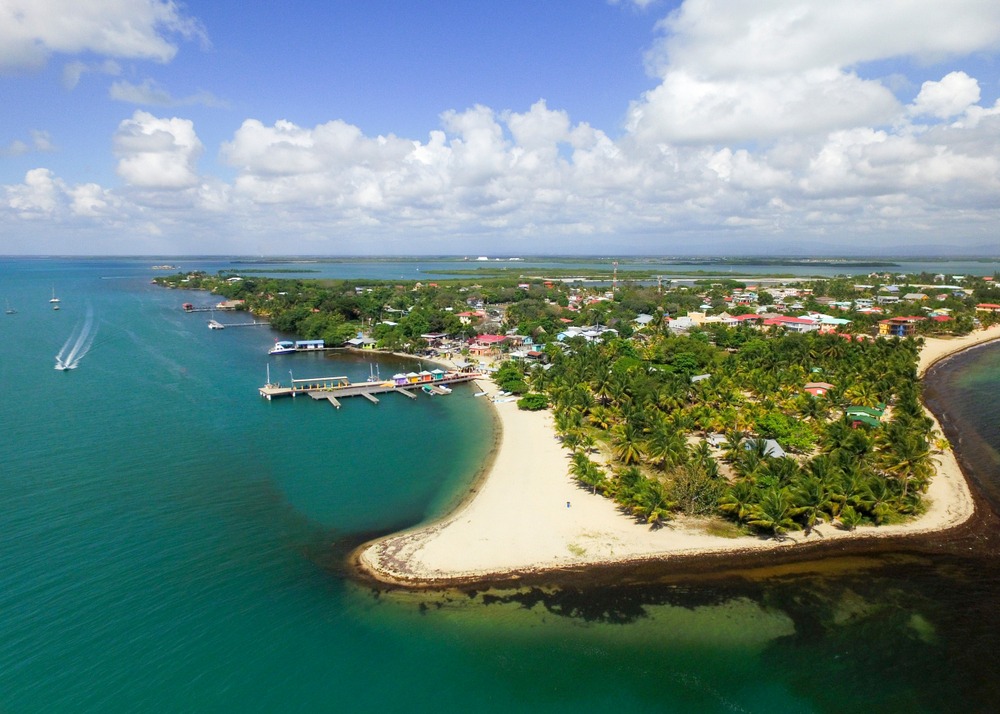
The reserve is located about 8 km south of San Pedro, on the island of Ambergris Caye. All diving and snorkelling operators in San Pedro offer daily excursions to Hol Chan and Shark Ray Alley. The speedboat crossing takes around fifteen minutes. There is no independent access without a boat.
Nearby
- Shark Ray Alley — site adjacent to Hol Chan, a must-visit for swimming with nurse sharks and rays.
- San Pedro — main town on Ambergris Caye, starting point for all marine excursions.
- Belize Barrier Reef — UNESCO World Heritage site of which Hol Chan is part, extending along the entire coast.
- Great Blue Hole — emblematic underwater sinkhole in Belize, accessible by excursion from San Pedro.
Frequently asked questions
No. The majority of visitors snorkel at the surface. The main channel and Shark Ray Alley are accessible with a mask, snorkel and fins, without any diving certification.
The dry season, from November to April, offers the best conditions: calm seas and maximum visibility. The rainy season (June-October) can bring wind and rougher seas, but excursions generally continue.
These two sites are far apart. The Great Blue Hole requires a specific full-day excursion from San Pedro. It is difficult to combine both in a single outing.
These are mainly nurse sharks (Ginglymostoma cirratum), a docile species that feeds on crustaceans and molluscs. Incidents with humans are extremely rare. Guides supervise swimming.
Technically possible if you have a boat, but almost all visitors go through an authorised San Pedro operator. These provide equipment, pay entrance fees and know the authorised mooring areas.
It is forbidden to touch corals, feed marine animals, fish or collect anything. Chemical sunscreen is discouraged — prefer mineral protection to preserve the corals.
Interested in this visit?
We can include it in your personalised itinerary.