Belize Barrier Reef
Belize Barrier Reef
World's second-largest coral reef, UNESCO-inscribed since 1996. Seven protected reserves, over 500 fish species and the renowned Blue Hole.
The Belize Barrier Reef ranks as the world's second-largest coral reef system, surpassed only by Australia's Great Barrier Reef. It forms the Belizean portion of the Mesoamerican Barrier Reef, stretching over 1,000 km from the northern tip of the Yucatán Peninsula to the Bay Islands of Honduras. Inscribed as a UNESCO World Heritage Site in 1996, this reef system harbours dense biodiversity and several rare geological sites, including the famous Blue Hole.
Why visit the Belize Barrier Reef
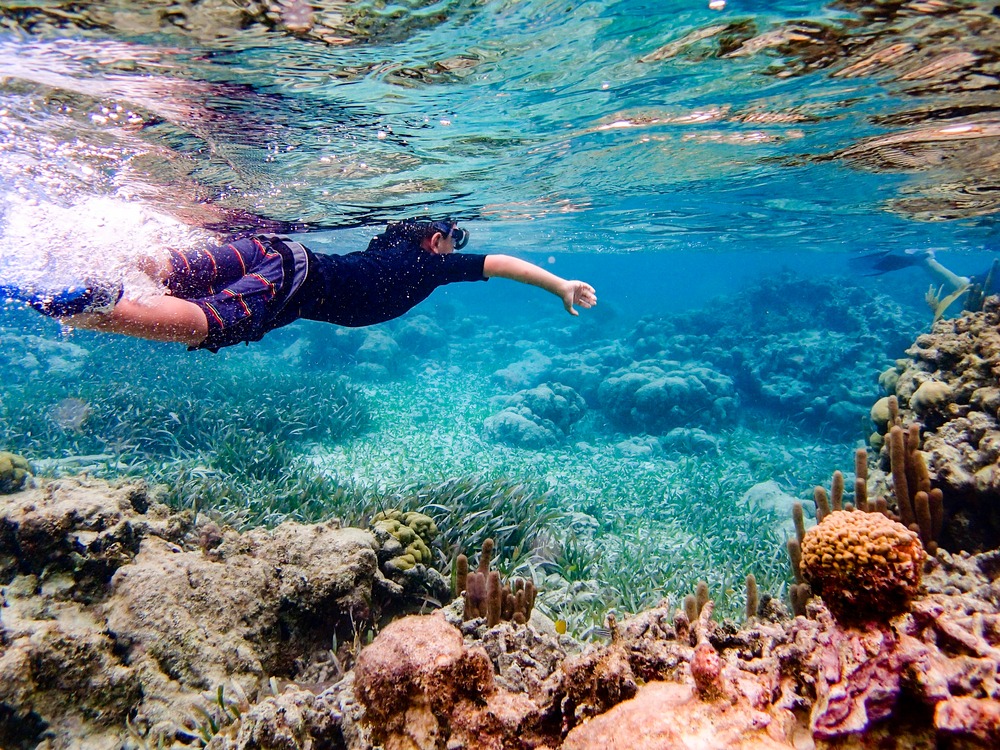
The Belizean reef combines three uncommon characteristics at this scale: an exceptional length of barrier reef along the coast, three true coral atolls (Turneffe, Lighthouse Reef and Glover's Reef — a rarity in the Atlantic, where most atolls are found in the Pacific and Indian Ocean) and a network of cayes, mangroves and inner lagoons. This mosaic of habitats explains the site's biological richness and its appeal for underwater exploration, from snorkelling to technical diving.
For travellers, it's one of the main reasons to stay on Belize's coast or islands. For scientists, it's an open-air laboratory for understanding how Caribbean coral reefs function.
History and protection status
The Belize Barrier Reef Reserve System was inscribed on the UNESCO World Heritage List in 1996. It comprises seven protected sites:
- Bacalar Chico National Park and Marine Reserve
- Blue Hole Natural Monument
- Half Moon Caye Natural Monument
- South Water Caye Marine Reserve
- Glover's Reef Marine Reserve
- Laughing Bird Caye National Park
- Sapodilla Cayes Marine Reserve
These protected areas represent approximately 12% of the total coral reef surface.
In 2009, the site was inscribed on the UNESCO World Heritage in Danger list due to offshore oil extraction projects. Under pressure from environmental groups and the local population, Belize's Parliament voted in 2017 to impose a moratorium on offshore oil drilling. This decision led to the site's removal from the danger list in 2018. The reef remains, however, exposed to climate change, overfishing, mass tourism and coral bleaching.
What to see on the reef
Documented biodiversity
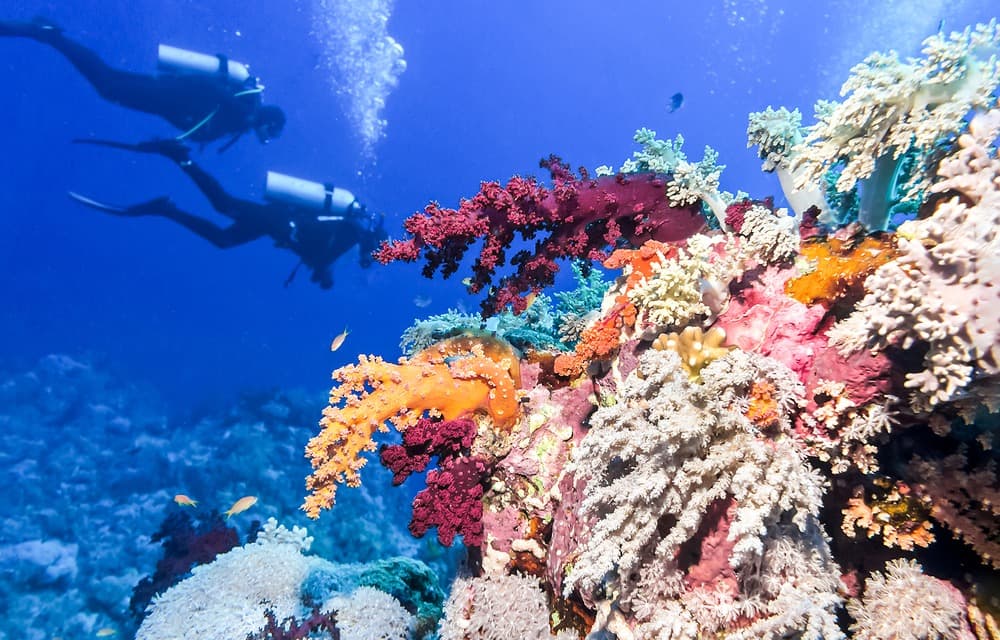
The barrier reef is home to 65 coral species and over 500 fish species. Mangroves and lagoons extend the ecosystem: they serve as nurseries for fish, welcome significant migratory bird populations and protect the coast from tropical storms. Several threatened species find critical habitat here, including the Caribbean manatee, three species of sea turtles (green, hawksbill and loggerhead) and the American crocodile.
The Blue Hole
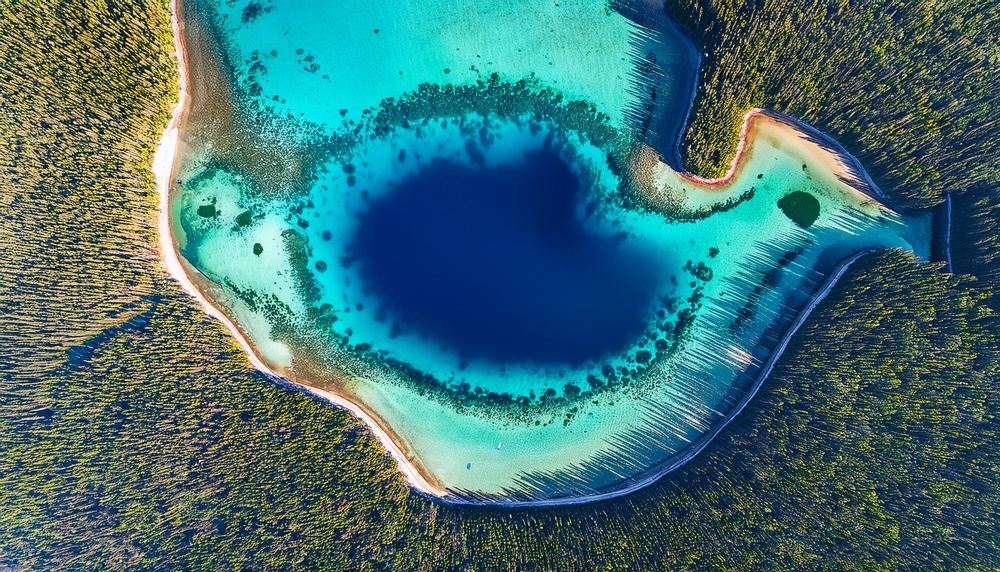
The Blue Hole is a collapsed underwater cave measuring approximately 300 metres in diameter and 124 metres deep. Located within Lighthouse Reef Atoll, this distinctive circular cavity of deep blue is one of the world's most recognizable diving sites. It is primarily suited to experienced divers, due to its depth and technical conditions.
Rocky Point
Rocky Point is one of the rare locations in the system where the barrier reef meets the shore directly. This unusual geological configuration makes it a site of interest for understanding reef formation and observing the transition between coastal and marine environments.
Practical information
Access to the reef is organised from several points along the coast and islands. Ambergris Caye, Belize's largest island, is the main base for excursions to the northern reserves and Lighthouse Reef area. Caye Caulker offers a simpler alternative, favoured by budget-conscious travellers. Placencia, to the south, provides access to the reefs of Laughing Bird Caye and Sapodilla Cayes.
For diving, the Blue Hole generally requires an Advanced certification (40 metres) and confirmed experience. Most other reef sites are accessible to Open Water divers and snorkellers from a boat. Plan for a half-day to full-day excursion depending on your chosen site.
When to visit
The dry season, from late November to May, offers the best underwater visibility and calmer seas. It's also peak tourist season: it's advisable to book excursions in advance. The rainy season (June to November) coincides with hurricane season, which can lead to cancellations and increased water turbidity, but rates are more moderate and visitor numbers lower.
Nearby attractions
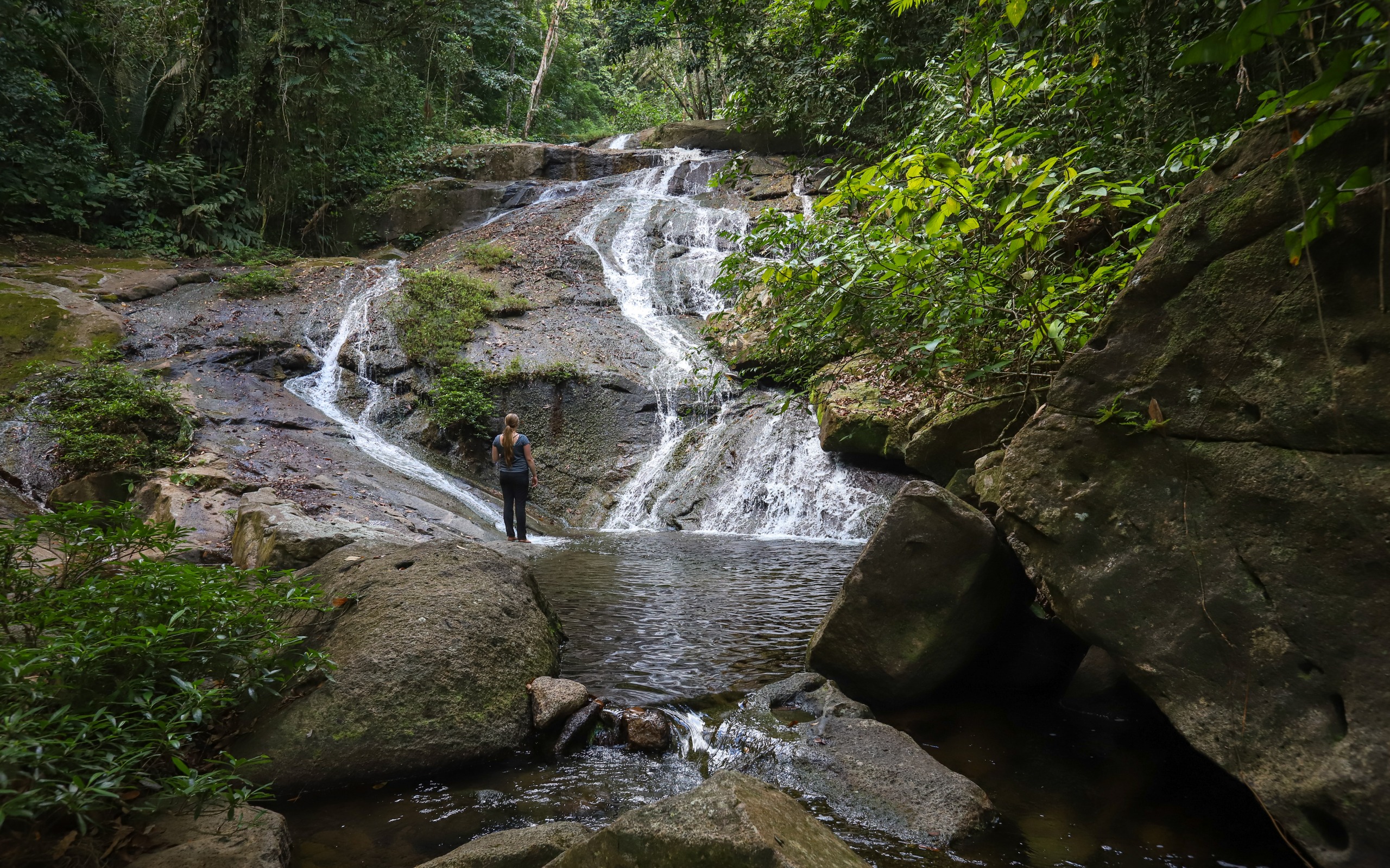
The reef is explored from the cayes but sits within a broader region. Bacalar Chico National Park, at the northern tip of Ambergris Caye, marks the maritime border with Mexico and combines dry forest, mangrove and reef. To vary the landscape, the country's interior offers striking contrasts with Big Rock Falls and the Maya ruins of Caracol, in the Maya Mountains.
Frequently asked questions
Frequently asked questions
No. It is the world's second-largest coral reef, behind Australia's Great Barrier Reef. It forms the Belizean portion of the Mesoamerican reef system, shared with Mexico, Guatemala and Honduras.
No. Many sites can be explored by snorkelling from a boat, without certification. For scuba diving, an Open Water certification is sufficient for most sites. The Blue Hole, however, requires an Advanced certification and experience.
From late November to May, during the dry season: optimal visibility, calm seas and stable weather. Avoid hurricane season (August-October) if you need a fixed schedule.
The main departure points are Ambergris Caye, Caye Caulker, Belize City for the northern and central reef, and Placencia for the southern reserves.
The moratorium on offshore oil drilling (2017) allowed the site's removal from the World Heritage in Danger list in 2018. Climate change, coral bleaching, overfishing and tourism pressure remain active threats.
Plan your trip
The barrier reef fits naturally into an itinerary combining islands, jungle and Maya sites. To build a custom journey, explore our trips to Belize.
Interested in this visit?
We can include it in your personalised itinerary.